The Link Between Joint Mobility Optimization and Injury-Free Performance explores targeted strategies for recovery. Discover new paths to mobility, healing, and personalized care.

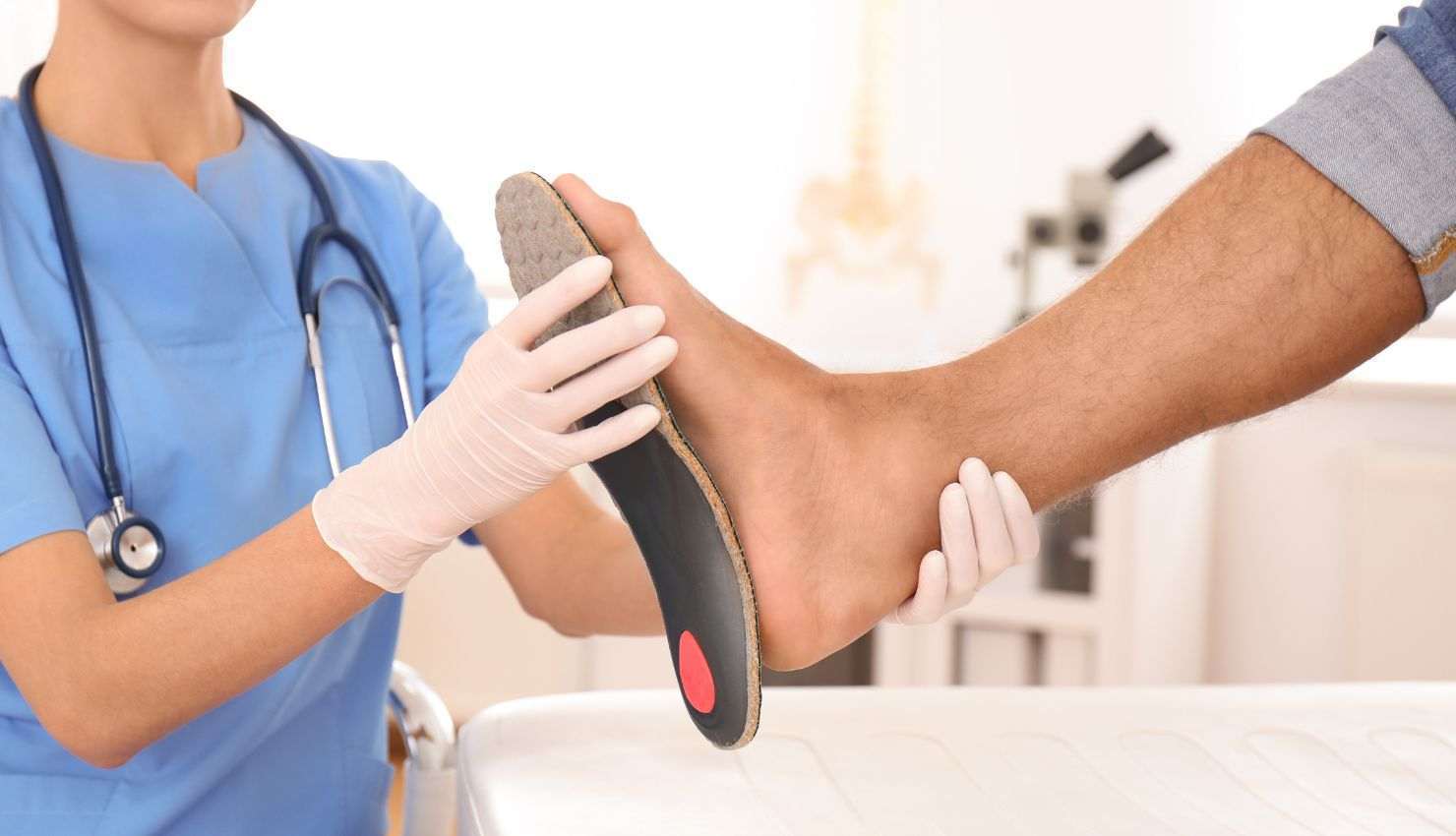
Achieving peak performancewhether in sports, work, or daily activitiesrequires more than just strength and endurance. Joint mobility optimization plays a crucial role in enabling smooth, efficient movement while minimizing the risk of injury. Optimized joints allow for proper biomechanics, muscle balance, and joint stability, all of which are essential to perform at your best and stay injury-free.
At YourFormSux (YFS), we focus on joint mobility optimization as a foundational component of physiotherapy to help clients achieve safe, effective performance in their activities.
Why Joint Mobility Matters for Performance
Joint mobility is the ability of joints to move freely through their full, natural range of motion. When mobility is limited, the body compensates with altered movement patterns that place undue stress on muscles, ligaments, and other joints.
Optimizing joint mobility helps:
Maintain efficient movement mechanics
Prevent muscle imbalances and overuse
Enhance coordination and balance
Reduce joint stress and inflammation
Together, these benefits contribute to safer, injury-free performance.
How Limited Joint Mobility Leads to Injuries
Restricted joint mobility can cause:
Compensatory Movement Patterns: When a joint doesnt move well, surrounding joints and muscles take on extra load, increasing injury risk.
Muscle Tightness and Imbalance: Limited mobility often leads to tight muscles that reduce flexibility and predispose to strains.
Poor Shock Absorption: Joints unable to move properly fail to absorb impact forces effectively, contributing to wear and tear.
Reduced Proprioception: Limited joint movement decreases sensory feedback, impairing balance and increasing fall risk.
Joint Mobility Optimization for Injury Prevention
Optimizing joint mobility involves:
Restoring Range of Motion: Through targeted exercises and manual therapy, physiotherapists help improve joint flexibility.
Strengthening Supportive Muscles: Balanced muscle strength around joints stabilizes movement and reduces injury risk.
Correcting Movement Patterns: Neuromuscular training retrains the nervous system for coordinated, safe motion.
Improving Proprioception: Balance and stability exercises enhance joint awareness and control.
How YourFormSux Supports Injury-Free Performance
Our physiotherapy programs at YourFormSux include:
Comprehensive Movement Assessment: Identifying mobility limitations and movement dysfunction.
Personalized Exercise Plans: Designed to improve mobility, strength, and coordination.
Manual Therapy: Techniques to release restrictions and improve joint function.
Functional Training: Simulating sport- or activity-specific movements to ensure safe performance.
Ongoing Support and Education: Empowering clients to maintain joint health and prevent injuries long term.
Tips for Maintaining Joint Mobility and Preventing Injuries
Incorporate regular mobility drills and stretching into your routine
Warm up thoroughly before physical activity
Listen to your body and address stiffness or pain promptly
Maintain balanced strength training for all muscle groups
Stay hydrated and maintain a healthy diet to support joint health
Optimize Joint Mobility for Safer, Stronger Performance
Joint mobility optimization is a critical factor in preventing injuries and enhancing physical performance. By maintaining healthy, mobile joints, you can move more efficiently and protect your body from strain and damage.