How Joint Mobility and Flexibility Can Help You Prevent Long-Term Injuries explores targeted strategies for recovery. Discover new paths to mobility, healing, and personalized care.

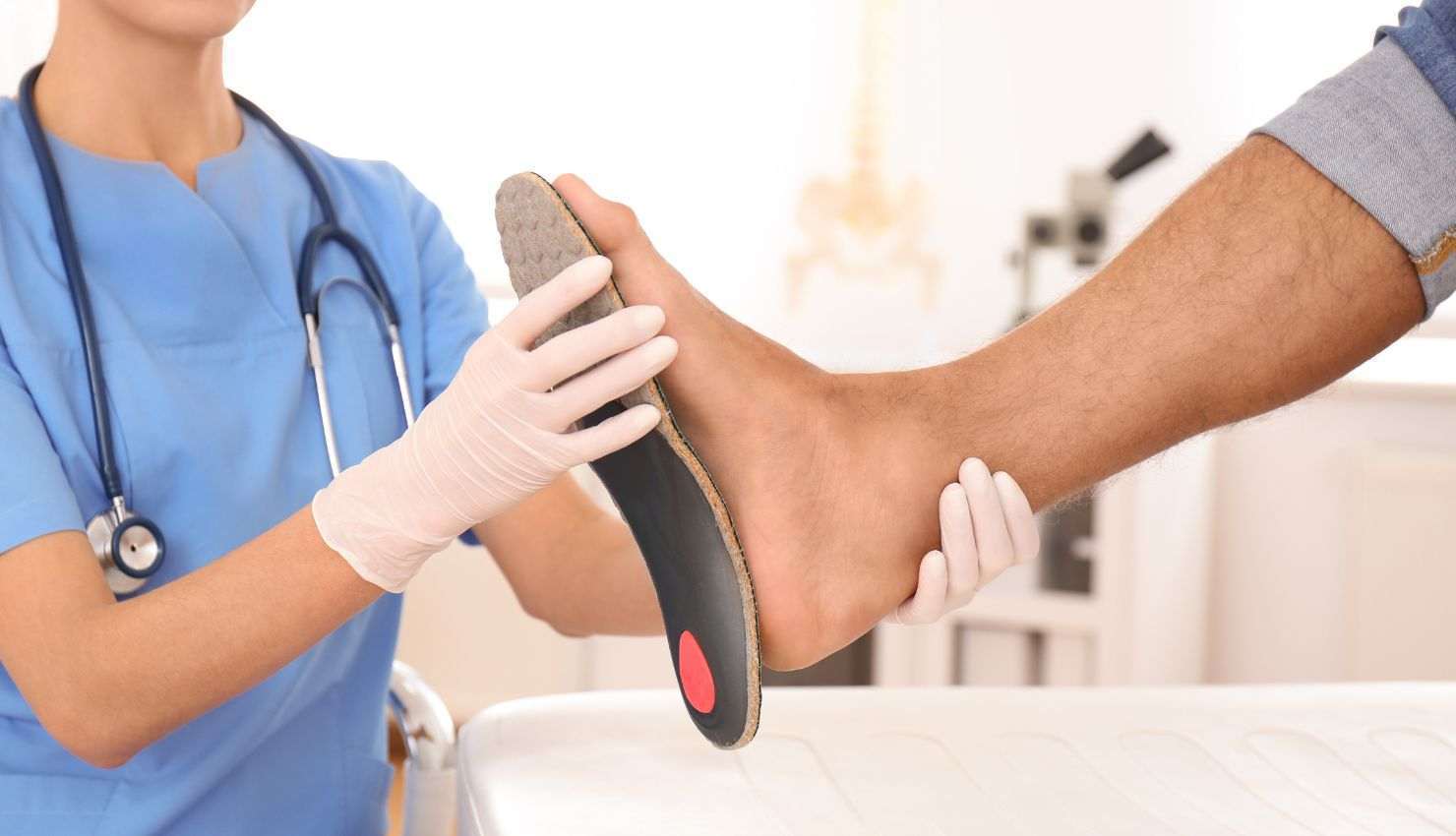
Injury prevention is a top priority for anyone leading an active lifestyle, whether youre an athlete or simply want to maintain your daily function without pain. Two often overlooked yet powerful factors in injury prevention are joint mobility and flexibility. Together, they ensure your body moves efficiently, absorbs forces properly, and minimizes the risk of wear and tear over time.
This blog explores how maintaining joint mobility and flexibility can help you prevent long-term injuries, the mechanisms behind their protective effects, and how physiotherapy can support you in sustaining healthy movement.
Understanding Joint Mobility and Flexibility
Joint mobility refers to the ability of a joint to move freely through its full range of motion.
Flexibility is the capacity of muscles and soft tissues to lengthen and allow movement at the joints.
Both are essential for smooth, coordinated movements and optimal biomechanical function.
How Joint Mobility and Flexibility Prevent Injuries
1. Promote Proper Movement Mechanics
Adequate joint mobility allows you to perform movements with correct form, reducing compensations that stress muscles and joints. Flexibility ensures muscles can lengthen and contract as needed without restriction.
2. Reduce Muscle Imbalances
When joints are mobile and muscles flexible, the body maintains balanced muscle length and strength, preventing overuse of certain muscles that can lead to injury.
3. Enhance Shock Absorption
Flexible muscles and mobile joints distribute impact forces efficiently during activities like running or jumping, protecting bones, ligaments, and cartilage.
4. Prevent Overuse and Wear
Restricted joints and tight muscles cause abnormal loading patterns that accelerate joint degeneration and soft tissue injuries over time.
5. Improve Recovery and Resilience
Good mobility and flexibility facilitate better blood flow and nutrient delivery to tissues, speeding recovery and enhancing tissue health.
Common Long-Term Injuries Linked to Poor Mobility and Flexibility
Osteoarthritis due to joint wear
Tendinitis from repetitive strain
Muscle strains and tears
Ligament sprains and joint instability
Chronic pain syndromes
How Physiotherapy Supports Injury Prevention
Physiotherapists use targeted strategies to maintain and improve joint mobility and flexibility:
Joint mobilizations and manipulations to restore range of motion
Stretching programs to increase muscle length and elasticity
Strength and conditioning to support joint stability
Neuromuscular re-education to improve movement patterns
Education on posture and ergonomics to prevent strain
Lifestyle Tips to Support Joint and Muscle Health
Regularly perform mobility and flexibility exercises
Warm up properly before physical activity
Avoid prolonged inactivity or repetitive movements without breaks
Maintain a healthy weight to reduce joint stress
Stay hydrated and eat a nutrient-rich diet
How YourFormSux Helps You Stay Injury-Free
At YourFormSux, our expert physiotherapists create personalized programs focusing on joint mobility and flexibility to prevent long-term injuries. Through manual therapy, exercises, and education, we help you maintain a resilient and injury-resistant body.
Our holistic approach empowers you to move confidently and enjoy an active life without pain.
Conclusion: Prioritize Joint Mobility and Flexibility to Protect Your Body
Maintaining joint mobility and flexibility is essential for preventing long-term injuries and ensuring lasting physical health. With the right care and proactive physiotherapy, you can preserve your bodys function, reduce pain risk, and enjoy life to the fullest.