The Role of Joint Mobility in Reducing Inflammation and Discomfort explores targeted strategies for recovery. Discover new paths to mobility, healing, and personalized care.

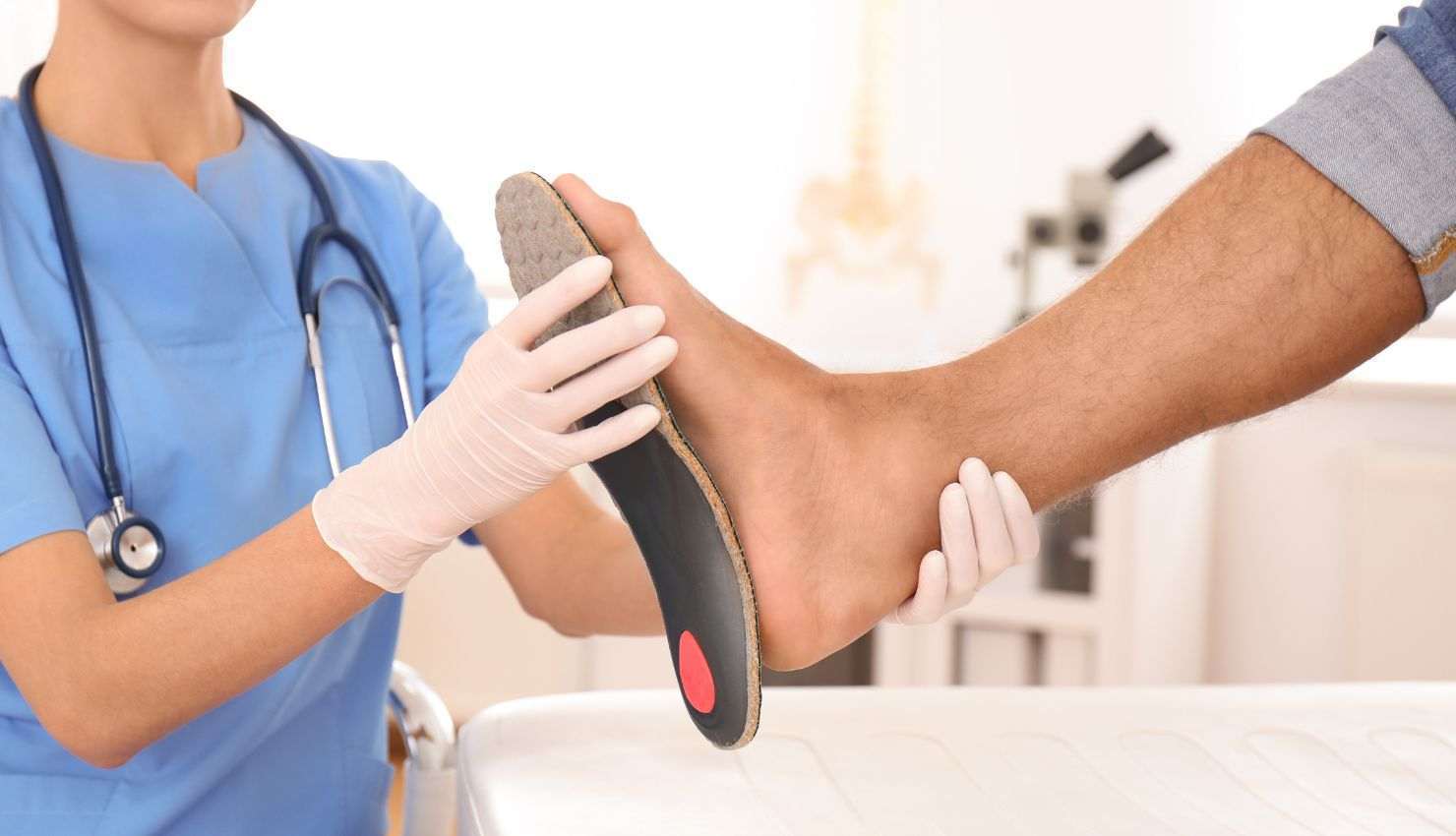
Joint discomfort and inflammation are common issues faced by people of all ages, especially those who are physically active, elderly, or dealing with chronic conditions like arthritis. These issues can severely impact quality of life, making everyday activities painful and limiting mobility. However, joint mobility plays a vital role in managing and reducing inflammation, promoting pain relief, and improving overall joint health. In this blog, well explore how optimizing joint mobility can help reduce inflammation and discomfort, allowing for better movement and a more active lifestyle.
What is Joint Inflammation?
Joint inflammation, also known as arthritis or joint swelling, occurs when the tissues in or around a joint become inflamed. This can be caused by various factors, including injury, overuse, autoimmune diseases, or degenerative conditions like osteoarthritis. Inflammation in the joints leads to pain, swelling, stiffness, and a reduction in the range of motion (ROM), all of which interfere with normal activities.
There are two main types of joint inflammation:
Acute Inflammation: This is a temporary condition that occurs following an injury or overuse. It is characterized by swelling, redness, warmth, and pain.
Chronic Inflammation: Chronic inflammation is long-lasting and is typically associated with degenerative diseases like osteoarthritis, rheumatoid arthritis, or other autoimmune conditions.
While inflammation is a natural response by the body to injury or infection, it becomes problematic when it is persistent or chronic, leading to ongoing pain and joint damage. Joint mobility optimization can play a significant role in reducing both acute and chronic inflammation by promoting proper movement and relieving pressure on the affected joint.
How Joint Mobility Helps Reduce Inflammation
Improving Circulation and Fluid Movement
One of the key ways joint mobility reduces inflammation is by improving blood circulation. When a joint is immobile or stiff, blood flow to the affected area can be restricted, which slows down the healing process and contributes to the buildup of inflammatory fluids. Joint mobility exercises promote blood flow to the joint, bringing oxygen and nutrients that help repair tissues, remove waste products, and reduce swelling.
Increased circulation also helps distribute synovial fluid, the natural lubricant for joints, throughout the joint. Synovial fluid not only lubricates the joint but also acts as a cushion, reducing friction and helping to prevent further damage to the cartilage. This fluid movement helps alleviate pain, reduce inflammation, and improve overall joint health.
Encouraging Proper Joint Function and Alignment
When joints are stiff or immobile, they dont function properly, which can place excessive stress on surrounding muscles and ligaments. This imbalance can lead to further irritation, inflammation, and discomfort. Joint mobility exercises help to restore the proper function and alignment of the joint, allowing it to move through its full range of motion without restriction. When the joint is aligned properly, pressure on the surrounding tissues is reduced, which can decrease inflammation and improve comfort.
For example, people with knee pain caused by osteoarthritis often develop compensation patterns, shifting their weight to one side to avoid discomfort. These abnormal movements can worsen inflammation and pain. Joint mobility exercises help restore the joints natural movement, reducing strain and inflammation in the surrounding tissues.
Reducing Muscle Tension and Stiffness
Muscle tension often accompanies joint inflammation, as the muscles around the affected joint contract to protect it from movement. While this muscle contraction is a natural defense mechanism, it can lead to further stiffness and discomfort. Joint mobility exercises help relax tight muscles and promote fluid movement, which can reduce muscle tension and improve flexibility. By relieving muscle tightness, joint mobility exercises help improve the range of motion and decrease the pain associated with inflammation.
Breaking the Cycle of Inflammation and Stiffness
When joints are immobile or stiff, they often become more prone to inflammation due to a lack of movement and fluid circulation. This creates a cycle of discomfort, where stiffness leads to inflammation, and inflammation leads to more stiffness. Joint mobility exercises help break this cycle by encouraging movement and circulation in the joint. By moving the joint through its full range of motion, you can reduce stiffness, promote flexibility, and prevent the build-up of inflammatory fluids.
In conditions like rheumatoid arthritis, where inflammation is persistent, joint mobility exercises can help maintain movement and reduce the severity of flare-ups. This can lead to long-term improvements in joint health and a reduction in chronic inflammation.
Promoting the Production of Anti-Inflammatory Chemicals
Regular movement, including joint mobility exercises, helps promote the release of natural anti-inflammatory chemicals in the body. These chemicals, such as endorphins, act to counteract the effects of inflammation and reduce pain. By incorporating mobility exercises into your daily routine, you can naturally support your bodys healing processes and manage inflammation without relying on medication.
For example, studies have shown that regular physical activity, including mobility exercises, can help reduce the symptoms of osteoarthritis and rheumatoid arthritis. These activities help regulate inflammatory markers in the body, reducing pain and discomfort in the affected joints.
Helping to Prevent Long-Term Joint Damage
Chronic inflammation, when left unchecked, can lead to long-term joint damage and degenerative conditions like osteoarthritis. By maintaining optimal joint mobility, you can reduce the strain on your joints, preventing the progression of inflammation-related joint damage. Regular movement helps keep the joints lubricated, flexible, and strong, reducing the likelihood of cartilage breakdown and supporting long-term joint health.
Effective Joint Mobility Exercises for Reducing Inflammation
There are several joint mobility exercises that can be incorporated into your routine to help reduce inflammation and improve joint function. These exercises target key joints such as the hips, knees, shoulders, and spine, promoting fluid movement and reducing pain. Here are a few examples:
Hip Circles: This exercise helps improve mobility in the hip joint, which can relieve discomfort and inflammation in the lower back and legs. By moving the hips through their full range of motion, you help stimulate blood flow and reduce stiffness.
Shoulder Rolls and Arm Circles: These exercises improve the range of motion in the shoulders and upper back, reducing inflammation and discomfort in the shoulder joints and surrounding muscles.
Ankle Mobilizations: Ankle mobility exercises help relieve stiffness and reduce inflammation in the lower legs and feet. These exercises are particularly beneficial for people with arthritis or those recovering from an ankle injury.
Cat-Cow Stretch: This dynamic stretch targets the spine and helps improve mobility in the back and neck. It is effective for reducing stiffness, alleviating discomfort, and improving overall spinal health.
Knee Extensions and Flexion: These simple movements help improve knee mobility, reducing inflammation and stiffness in the knee joint and surrounding muscles.
Conclusion
Joint mobility is a powerful tool for reducing inflammation and discomfort in the body. By improving circulation, promoting proper joint function, and relieving muscle tension, joint mobility exercises can help manage both acute and chronic inflammation. Whether youre dealing with arthritis, injury recovery, or general joint stiffness, incorporating joint mobility exercises into your daily routine can lead to significant improvements in comfort and mobility. Prioritizing joint health not only reduces inflammation but also helps prevent long-term joint damage, supporting overall well-being and a more active, pain-free lifestyle.