How Mobility & Joint Optimization Improve Range of Motion and Flexibility explores targeted strategies for recovery. Discover new paths to mobility, healing, and personalized care.

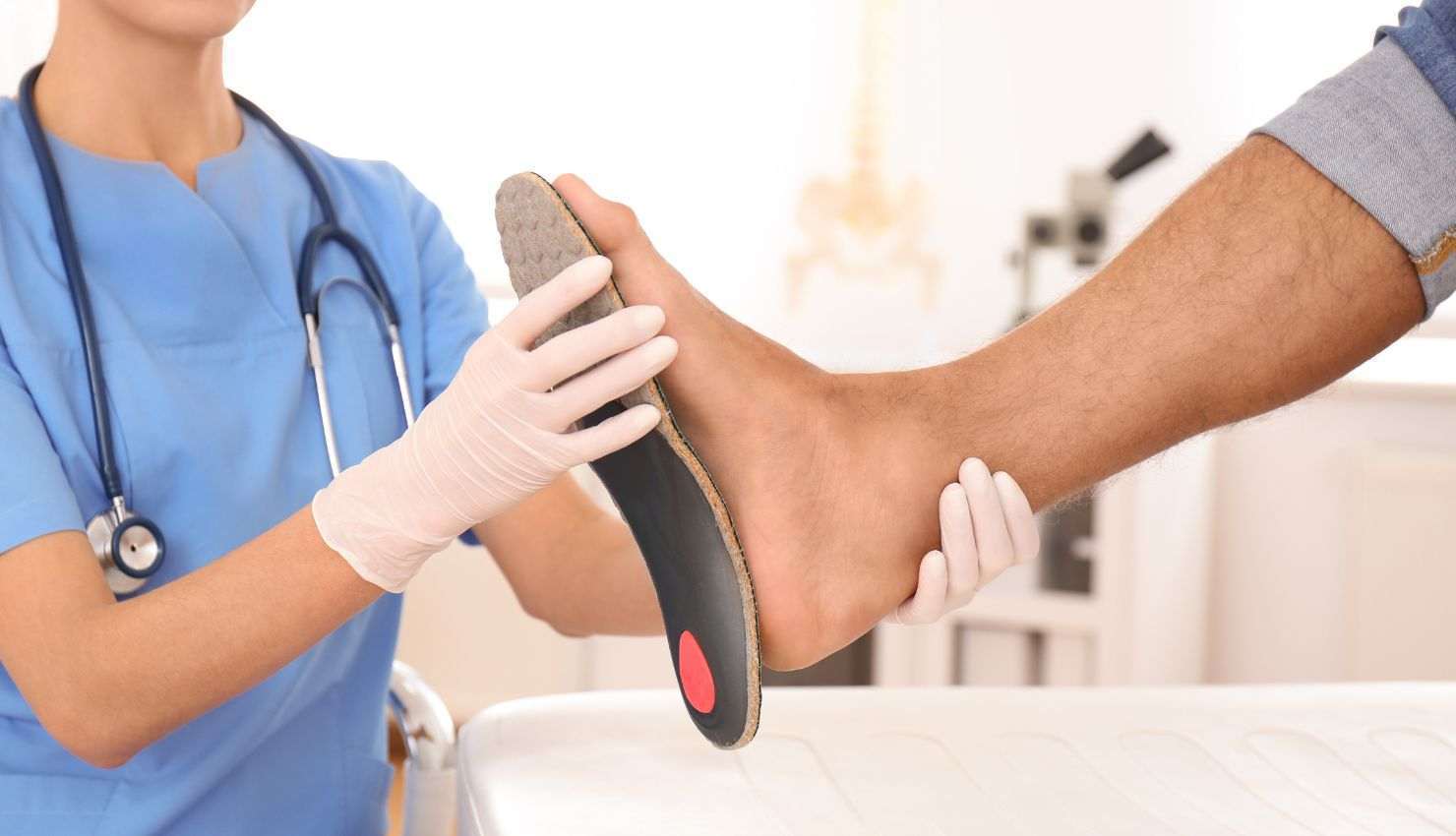
Mobility and joint optimization are crucial elements in enhancing our physical well-being. As we age or become more sedentary, the bodys ability to move freely can be compromised. Understanding how joint mobility impacts the range of motion and flexibility is essential to maintaining overall body health and achieving peak performance, whether you’re an athlete or simply looking to improve your daily functionality.
What is Mobility and Joint Optimization?
Mobility refers to the ability of a joint to move actively through its full range of motion (ROM). Joint optimization involves enhancing the function and flexibility of the joint to ensure smooth movement and prevent stiffness or discomfort. The primary goal of mobility and joint optimization is to maintain and improve the functional capacity of the bodys joints, reducing the risk of injury and promoting longevity in daily physical activity.
The Link Between Joint Mobility and Range of Motion
Range of motion (ROM) is the degree to which a joint can move. Joint mobility directly impacts this ROM. If the muscles surrounding a joint are stiff or lack flexibility, the joint’s ability to move freely is limited. A restricted ROM can hinder activities of daily living, such as bending, lifting, or even walking. Joint optimization ensures that the muscles, tendons, and ligaments around the joint remain supple, contributing to a greater range of motion.
The more a joint is able to move fluidly, the easier it becomes to perform various tasks, from everyday movements to more strenuous physical activities. Mobility training, such as stretching, foam rolling, and resistance exercises, is often incorporated into joint optimization routines to help restore and enhance flexibility.
Enhancing Flexibility Through Joint Mobility Exercises
Flexibility refers to the ability of soft tissues (muscles, tendons, and ligaments) to stretch and lengthen, allowing for the full range of motion. While flexibility is a component of joint mobility, joint mobility itself goes beyond flexibility to include strengthening the surrounding structures to improve joint stability.
Joint mobility exercises like dynamic stretching, yoga, or Pilates help to improve the elasticity of the muscles and soft tissues while strengthening the joints. These exercises allow for improved movement, more fluid transitions between positions, and reduced risk of injury during athletic or recreational activities.
Why Mobility is Essential for Athletes and Active Individuals
For athletes, maintaining joint mobility is not just important for enhancing flexibility, but also for improving performance. Whether you are a runner, swimmer, cyclist, or weightlifter, joint mobility allows for more efficient movement patterns and reduces the likelihood of developing compensatory movement patterns that could lead to injury. Regular joint mobility exercises help athletes maintain the joint function needed for explosive power, endurance, and agility.
In addition, joint optimization allows active individuals to recover faster from intense physical activity. Stretching and mobility exercises improve circulation to the joints, aiding in the removal of waste products and reducing soreness after exercise.
The Benefits of Joint Mobility for Injury Prevention
Joint injuries are often caused by overuse, poor posture, or muscle imbalances. When a joint is not properly mobilized or optimized, the risk of injury increases. This is because limited mobility can cause abnormal stress on certain areas of the body, leading to overcompensation and strain on other joints or muscles.
Improving mobility through regular exercises ensures that each joint moves optimally, thus reducing the chances of sustaining injuries such as sprains, strains, and ligament tears. Furthermore, joint mobility exercises enhance the bodys ability to adapt to physical demands, minimizing the risk of injury during everyday activities or sports.
Conclusion
Mobility and joint optimization play a critical role in improving the range of motion and flexibility, which are vital components for overall health, performance, and injury prevention. Whether you’re an athlete or someone looking to stay active, incorporating joint mobility exercises into your routine can provide numerous benefits, including better posture, improved joint function, reduced pain, and an overall increase in physical activity levels.
Maintaining good mobility and joint health isn’t just about enhancing flexibilityit’s about ensuring your joints work in harmony with your muscles, tendons, and ligaments to move smoothly, efficiently, and without discomfort. Whether you’re just beginning your fitness journey or looking to optimize your athletic performance, joint mobility exercises are an essential part of maintaining a healthy and active lifestyle.