How Joint Mobility and Flexibility Contribute to Injury-Free Living explores targeted strategies for recovery. Discover new paths to mobility, healing, and personalized care.

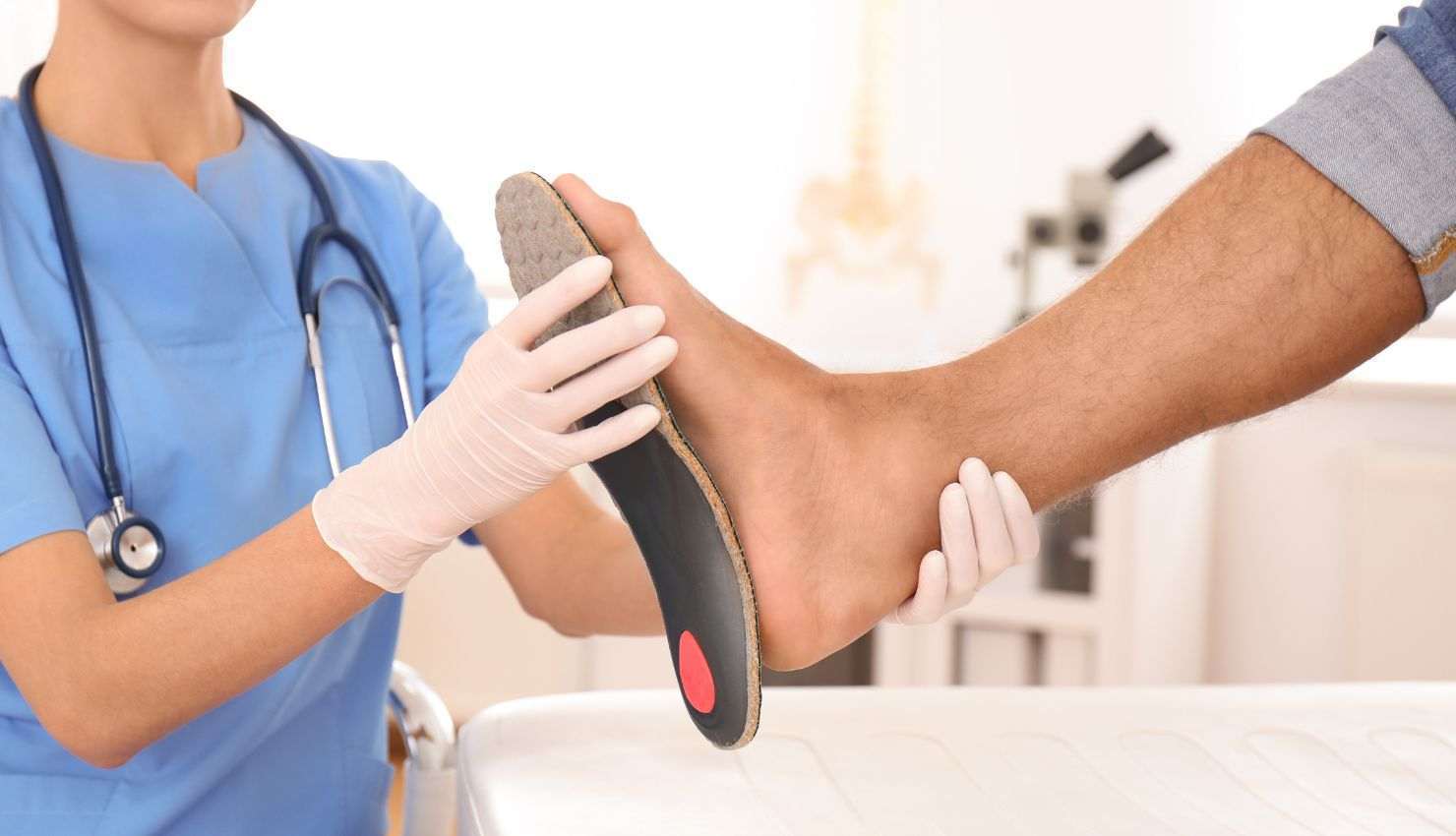
Joint mobility and flexibility are essential components of an injury-free lifestyle. Whether you’re an athlete, a fitness enthusiast, or someone who simply wants to stay active and mobile, ensuring that your joints and muscles can move freely and efficiently is crucial to preventing injuries and improving overall health. In this blog, we’ll dive into how joint mobility and flexibility contribute to injury prevention and why they should be prioritized in any physical fitness regimen.
What is Joint Mobility and Flexibility?
Before we dive into the benefits of joint mobility and flexibility, its important to understand what these terms mean and how they relate to injury prevention.
Joint Mobility: This refers to the ability of a joint to move freely through its full range of motion (ROM). Joint mobility involves the movement of the bones, muscles, ligaments, and tendons surrounding a joint, ensuring that it functions properly without restrictions.
Flexibility: Flexibility, on the other hand, refers to the lengthening and stretching of the muscles and connective tissues that surround the joints. Flexibility improves when muscles and tendons are able to stretch and move freely, allowing joints to operate without stiffness or discomfort.
While flexibility and mobility are distinct, they work together to ensure that your body functions optimally. Proper mobility allows the joints to move efficiently, while flexibility ensures that the muscles surrounding those joints are able to stretch and support healthy movement.
How Joint Mobility and Flexibility Prevent Injury
Injury prevention is one of the primary reasons to focus on joint mobility and flexibility. When either of these elements is compromised, it can lead to overuse injuries, strains, and imbalances. Heres how they contribute to an injury-free life:
Increased Range of Motion (ROM)
Joint mobility exercises help increase the range of motion of a joint, allowing it to move through its full potential without restrictions. When a joint has a limited range of motion, the muscles surrounding it may compensate for the lack of movement, leading to poor posture and unnatural movement patterns. Over time, this can cause muscle imbalances, tension, and eventually lead to injury. By regularly performing joint mobility exercises, you can increase ROM and reduce the likelihood of overuse injuries, such as tendonitis or sprains.
Improved Movement Mechanics
Joint mobility and flexibility promote better movement mechanics. When the joints are free to move through their full ROM, the body is able to perform more natural, efficient movements. Whether you’re walking, running, lifting, or engaging in sports, optimal joint mobility allows the body to move smoothly, reducing the risk of strain or injury. Improved mechanics mean that your body can absorb forces more effectively, protecting the joints, muscles, and ligaments from injury.
Prevents Muscle Tightness and Imbalances
Muscle tightness often occurs when a muscle is unable to stretch and lengthen through its full range of motion. Tight muscles can lead to joint stiffness, limited mobility, and an increased risk of injury. Regular flexibility exercises can help alleviate tightness, allowing the muscles to lengthen and move more freely. Likewise, strengthening exercises that focus on mobility ensure that all muscle groups around a joint are working in harmony. This prevents muscle imbalances that can lead to compensatory movements and injury.
Enhances Stability and Balance
Mobility exercises are crucial for improving joint stability, especially in weight-bearing joints like the knees, hips, and ankles. When the muscles surrounding a joint are flexible and strong, they are better able to stabilize the joint during movement. This reduces the risk of falls and other injuries that often occur when the body is out of alignment or when there is a lack of stability in a joint. Flexibility exercises also contribute to better balance by promoting coordination and enhancing the bodys awareness of movement.
Increases Blood Flow and Joint Lubrication
Both joint mobility and flexibility exercises stimulate blood circulation to the muscles, tendons, and ligaments surrounding the joints. Better circulation leads to improved nutrient delivery and waste removal, which supports tissue repair and reduces the risk of injuries caused by overuse or repetitive motion. Mobility exercises also promote the production of synovial fluid, which lubricates the joints and reduces friction, further decreasing the risk of joint wear and tear. This is particularly important for preventing degenerative conditions like osteoarthritis.
Reduces Risk of Overuse Injuries
Overuse injuries often occur when a joint or muscle is subjected to repetitive motion without adequate recovery or flexibility. For example, runners often experience injuries like shin splints or IT band syndrome due to tight muscles and limited joint mobility. By incorporating mobility and flexibility exercises into a fitness routine, individuals can help ensure that their muscles and joints are not overtaxed, thereby reducing the risk of overuse injuries. Stretching and mobility drills help release tightness and improve the bodys ability to recover from repetitive motions.
Supports Proper Posture
Poor posture can lead to a variety of injuries, particularly in the back, shoulders, and neck. Limited mobility in the spine, hips, and shoulders can cause misalignments, leading to muscle strain and discomfort. Mobility exercises, such as spinal twists and hip openers, improve the alignment of the body, ensuring that each joint is functioning correctly. By maintaining proper posture through mobility and flexibility training, individuals reduce the risk of injury caused by muscle imbalances and misalignment.
Key Mobility and Flexibility Exercises for Injury Prevention
Incorporating specific mobility and flexibility exercises into your routine can help improve joint function and prevent injury. Here are some key exercises that target different joints and muscle groups:
Hip Flexor Stretch:
The hip flexors can become tight from prolonged sitting, leading to lower back pain and restricted hip mobility. Stretching the hip flexors improves flexibility and mobility in the hips, which supports better posture and prevents back pain.
Ankle Circles:
Ankle mobility exercises, such as ankle circles, help improve flexibility and joint function in the lower legs. This can reduce the risk of ankle sprains and improve balance, especially for activities like running or jumping.
Thoracic Spine Rotation:
The thoracic spine (upper back) can become stiff due to poor posture or prolonged sitting. Mobility exercises like thoracic spine rotations help increase flexibility in the upper back, reducing the risk of neck and shoulder injuries.
Standing Hamstring Stretch:
Tight hamstrings can lead to lower back pain and discomfort. A standing hamstring stretch helps lengthen the hamstrings and improve mobility in the hips, reducing the risk of strains and injuries.
Shoulder Rolls:
Shoulder mobility exercises help improve flexibility in the shoulder joint, which is prone to stiffness and injury, especially in people who lift heavy weights or have desk jobs. Shoulder rolls help release tightness and improve joint range of motion.
Squats:
Squats are a great full-body exercise that improves both joint mobility and flexibility, especially in the hips, knees, and ankles. Proper squat form ensures that these joints are functioning optimally, reducing the risk of injury during other physical activities.
Lunges:
Lunges improve the flexibility and mobility of the hips and knees. This exercise also helps strengthen the lower body, improving stability and balance while reducing the risk of injury.
Conclusion
Joint mobility and flexibility are critical factors in maintaining an injury-free lifestyle. By incorporating mobility and flexibility exercises into your routine, you can increase your range of motion, improve movement mechanics, prevent muscle imbalances, and reduce the risk of injury. Whether youre an athlete, a weekend warrior, or simply someone looking to maintain an active lifestyle, focusing on joint mobility and flexibility will help you stay injury-free and perform at your best.
Regularly incorporating mobility exercises and stretches into your fitness routine not only prevents injuries but also improves posture, balance, and overall physical health. Prioritize joint mobility and flexibility to ensure that you can continue to move freely, stay active, and enjoy a healthy, injury-free life.