How Mobility & Joint Optimization Help You Move Better and Live Stronger explores targeted strategies for recovery. Discover new paths to mobility, healing, and personalized care.

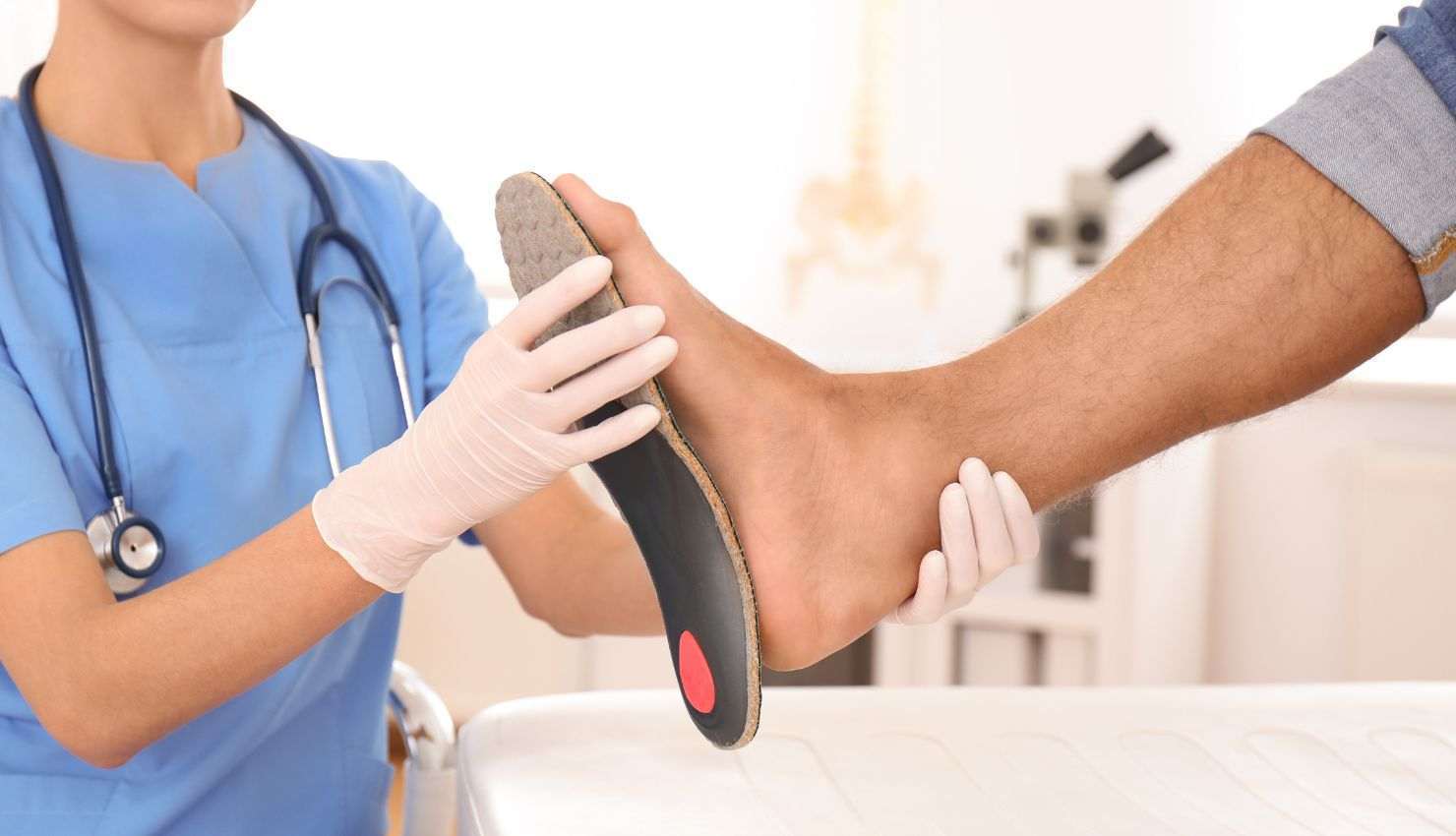
Our ability to move effectively and comfortably is foundational to both everyday living and physical performance. Whether you’re running errands, playing sports, or simply engaging in daily activities, mobility and joint optimization are essential for ensuring that the body functions at its best. Mobility and joint optimization allow individuals to move with greater ease, strength, and efficiency, supporting an active and healthy lifestyle. In this blog, we will explore how focusing on mobility and joint optimization can help you move better and live stronger.
What is Mobility and Joint Optimization?
Mobility refers to the ability of your joints to move smoothly through their full range of motion. Joint optimization is the process of enhancing the function and range of motion of your joints through targeted exercises, stretching, and strengthening routines. Together, mobility and joint optimization aim to improve the health and function of your joints, reducing pain and stiffness, while improving overall flexibility and strength.
Joint optimization is about more than just preventing injuryit’s also about enhancing performance in various physical activities and daily tasks. When your joints are functioning optimally, your body can move more freely and efficiently, allowing you to perform better and reduce the risk of injury. Mobility exercises also contribute to long-term joint health, helping to maintain full function and prevent the onset of degenerative conditions like arthritis.
The Role of Mobility and Joint Optimization in Improving Movement
Better Range of Motion: When your joints are mobile and well-optimized, you can move through a wider range of motion without discomfort. Increased mobility allows for smoother and more fluid movements during activities like walking, running, or lifting. For example, mobility in the hips allows for deeper squats and more effective leg movements, while optimized shoulder mobility facilitates smoother overhead movements and better upper body strength.
Improved Posture and Alignment: Joint mobility and optimization also help improve posture by ensuring that the joints and muscles are functioning together in harmony. Poor posture often results from limited joint mobility or imbalances in muscle strength, which can lead to chronic pain or injury. For example, tight hip flexors and poor ankle mobility may cause compensatory movement patterns that affect the alignment of the lower back and pelvis. By addressing these issues through mobility work, you can enhance posture and reduce the risk of musculoskeletal pain.
Injury Prevention: When joints are optimized, the risk of injury decreases significantly. Joint mobility exercises help maintain the flexibility and strength necessary to absorb impact and withstand physical stress. Whether it’s lifting heavy weights, participating in sports, or engaging in routine tasks like bending or twisting, joint mobility reduces the strain on your muscles and ligaments, protecting them from injury. By training your joints to function optimally, you can avoid overcompensating with other muscle groups, which could lead to injury over time.
Enhanced Coordination and Balance: Mobility exercises often include dynamic movements that require coordination and balance, such as lunges, squats, or stretches that activate multiple muscle groups at once. These exercises not only improve flexibility but also enhance the body’s ability to stabilize itself, which is crucial for functional strength. Better balance and coordination can have a huge impact on both athletic performance and daily activities, from running to climbing stairs or simply walking on uneven surfaces.
The Strength Connection: How Mobility & Joint Optimization Contribute to Stronger Muscles
Optimized joints are better equipped to support muscle strength, as joint mobility ensures that muscles can stretch and contract effectively through their full range of motion. Strength training, when combined with mobility work, leads to improved muscle function, allowing for better performance in both fitness and daily life.
Efficient Muscle Activation: When your joints are mobile, muscles can be activated more effectively. Restricted or stiff joints limit the muscles’ ability to engage fully, which may lead to muscle imbalances and reduced strength. By improving joint function, you can ensure that your muscles are working in coordination with one another, promoting better strength and endurance. For example, improved ankle and hip mobility allows for a more efficient squat, engaging the core, glutes, and quadriceps more effectively.
Optimized Lifting and Physical Activities: Joint optimization plays a crucial role in weightlifting and other physical activities. When the joints are functioning at their best, your body can generate greater force and apply it more effectively to the muscles. Mobility in the hips, knees, and ankles is essential for safe and effective squatting and deadlifting, while shoulder mobility is key for efficient pressing movements. Mobility exercises enhance these movements, allowing you to lift heavier weights with more control and less risk of injury.
Increased Flexibility and Strength: Flexibility, or the ability of muscles to lengthen, is closely tied to strength. Without flexibility, muscles can become tight and weak, which limits the amount of force they can generate. Regular mobility and stretching routines help elongate muscles, reducing tightness and improving their ability to produce force. This, in turn, supports overall strength development, helping you move more effectively and with greater power.
How Joint Mobility and Optimization Support Long-Term Health
Beyond the immediate benefits of improved movement, joint mobility and optimization are essential for long-term joint health and longevity. As we age, the natural wear and tear on our joints can lead to conditions like arthritis or reduced range of motion, but regular mobility exercises can slow down this process and help maintain healthy joints well into old age.
Maintaining Joint Health: Regular mobility work helps keep the cartilage in your joints lubricated and nourished, reducing the risk of degenerative joint diseases like osteoarthritis. Additionally, mobility exercises strengthen the muscles around the joint, providing added stability and support, which can help prevent joint degeneration.
Pain Management: Joint stiffness and pain often arise from a lack of mobility, particularly as we age. Mobility exercises, including stretches and gentle movements, can alleviate joint pain and reduce the need for medications or invasive treatments. For individuals with arthritis or other joint conditions, optimized mobility can lead to significant pain relief and improved function, allowing for more comfortable movement throughout the day.
Improved Quality of Life: Ultimately, the combination of joint mobility and optimization enhances the overall quality of life. By improving movement efficiency, reducing pain, and increasing strength, individuals can maintain an active lifestyle for longer. This can result in greater independence, better physical health, and improved mental well-being.
Incorporating Mobility and Joint Optimization into Your Routine
Integrating mobility and joint optimization into your routine can be simple and effective. Here are a few ways to do so:
Dynamic Stretching: Before engaging in physical activity, incorporate dynamic stretching to warm up your muscles and joints. These movements, such as leg swings or arm circles, activate the body and prepare it for more intense activity.
Yoga and Pilates: These practices focus on both flexibility and strength, with numerous poses and movements that improve joint mobility. Regular practice can help optimize joint function and support overall strength.
Foam Rolling: Using a foam roller can help release tight muscles and improve the flexibility of the surrounding tissues. Foam rolling is particularly effective for areas like the lower back, hips, and thighs.
Strength Training: Incorporating joint mobility work with strength training can improve muscle activation and overall performance. Be sure to incorporate compound exercises that involve multiple joints and muscle groups for a well-rounded approach.
Conclusion
Mobility and joint optimization are crucial for better movement, stronger muscles, and long-term health. Whether you’re an athlete or simply looking to maintain an active lifestyle, optimizing your joints and increasing your range of motion can significantly improve both performance and quality of life. By incorporating regular mobility exercises into your routine, youll not only enhance movement but also reduce the risk of injury, prevent pain, and promote overall well-being. Make joint mobility a priority, and experience how it can help you move better, live stronger, and thrive in your daily activities.