How Joint Mobility Helps Maintain Flexibility and Reduces Pain explores targeted strategies for recovery. Discover new paths to mobility, healing, and personalized care.

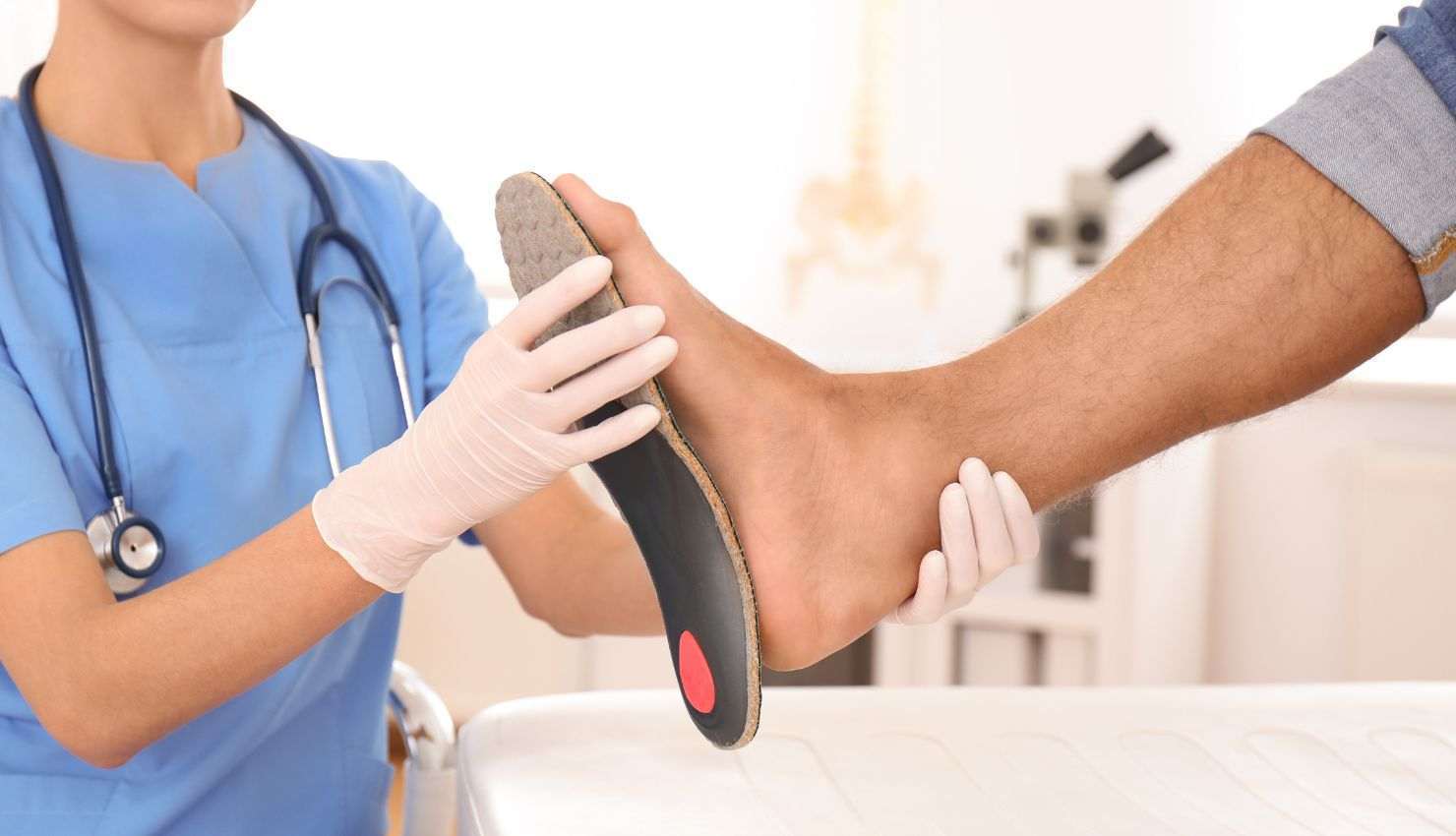
Its easy to think of flexibility and mobility as the same thing. Theyre related, yes but theyre not interchangeable. Flexibility is your ability to passively stretch muscles, while mobility is your ability to actively control movement through a joints full range of motion. And heres the key: when you improve joint mobility, you enhance your flexibility in a functional, pain-free way.
At YourFormSUX (YFS), weve worked with countless Canadians who came to us feeling tight, stiff, and stuck in their bodies often dealing with lingering pain that just wouldnt go away. What we consistently find is that by optimizing joint mobility, we can increase flexibility and decrease pain at its root.
If youre looking to feel looser, move better, and live pain-free, this blog will explain how joint mobility fits into that equation and why its a non-negotiable for long-term physical health.
The Flexibility-Mobility Relationship Explained
Lets get clear: you can be flexible but still lack mobility. Think of a gymnast who can do the splits thats flexibility. But if they cant control their legs into and out of that position without momentum or assistance, they lack mobility.
Mobility includes:
Muscle control
Joint integrity
Neuromuscular coordination
Strength through range
When your joints are mobile, your muscles are allowed to lengthen, contract, and support movement properly. This is the missing link for most people dealing with limited flexibility and chronic pain.
How Poor Joint Mobility Causes Pain and Tightness
When one joint cant move through its intended range, the surrounding muscles tighten to protect it. This can make your body feel stiff, unbalanced, and sore.
Here are some common scenarios:
Tight hips from long hours of sitting can lead to lower back pain.
Restricted shoulder joints often cause neck tension and upper back pain.
Limited ankle mobility can lead to knee discomfort during walking, running, or squatting.
These arent isolated issues theyre a result of poor joint function that causes muscles to overcompensate and eventually generate pain signals.
At YFS, we dig deep into these patterns and treat the root cause, not just the symptoms.
Joint Mobility: The Key to Lasting Flexibility
If youre trying to improve your flexibility without addressing joint mobility, youre only getting halfway there. Heres how mobility directly supports flexibility:
1. Active Range of Motion
When joints move properly, you can stretch muscles under control not just statically, but through active movement. This increases your usable flexibility in real-life tasks and movements.
2. Muscle Length-Tension Optimization
Improved joint mechanics reduce unnecessary tension in surrounding muscles. This helps you access full muscle length naturally, without excessive strain or risk of injury.
3. Improved Circulation and Hydration
Mobile joints encourage better blood flow, lymphatic drainage, and synovial fluid distribution all of which help muscles stay supple, reduce inflammation, and keep tissues healthy and pain-free.
4. Strength Through Flexibility
Mobility training strengthens muscles at their end ranges, reinforcing stability where youre most vulnerable. This not only improves flexibility, but also makes your body more resilient to stress.
Reducing Pain Through Better Joint Function
Pain, especially chronic or recurring discomfort, is often a signal that something isnt moving right. Poor joint mobility can compress nerves, restrict circulation, and trigger protective muscle guarding.
Heres how joint mobility optimization reduces pain:
Releases joint stiffness that contributes to tension and discomfort
Restores proper alignment to reduce uneven force distribution
Decreases compensatory stress on muscles and tendons
Improves load tolerance so your body can handle everyday stress without breaking down
At YourFormSUX, we use proven joint mobility techniques to relieve pain naturally, without needing invasive treatments or ongoing dependency on painkillers.
How YFS Helps You Move Freely and Live Comfortably
We dont believe in temporary fixes. We believe in retraining the body to move well and feel better long term. Our mobility and joint optimization programs are designed to:
Pinpoint the true source of your pain or restriction
Mobilize the affected joints with smart, controlled techniques
Rebuild strength and flexibility around those joints
Teach you to move with confidence, control, and comfort
Whether youre struggling with tight hamstrings, stiff shoulders, or general joint pain, our team at YFS has a system to help you move better and feel better for good.
Signs That You Need Joint Mobility Work
If you relate to any of the following, its time to add mobility work to your wellness routine:
You stretch regularly but still feel stiff
You experience pain during or after workouts
Your flexibility has plateaued despite consistent efforts
You feel tight after long periods of sitting or standing
You rely on foam rolling or massage to unlock your body daily
These arent just everyday annoyances theyre signs that your joints arent functioning optimally, and your body is paying the price.
Feel Better, Move Better Starting Now
You dont have to accept tightness and pain as part of your lifestyle. With the right approach, you can reclaim your range, restore your flexibility, and eliminate discomfort at the source.
At YFS, were here to help you understand your bodys movement needs and implement mobility training that fits your goals and lifestyle. Whether youre an athlete, an office worker, or someone simply looking to feel more at ease in your own body, joint mobility is your gateway to greater freedom and less pain.