The Benefits of Core Strength for Preventing Spinal Disc Injuries explores targeted strategies for recovery. Discover new paths to mobility, healing, and personalized care.

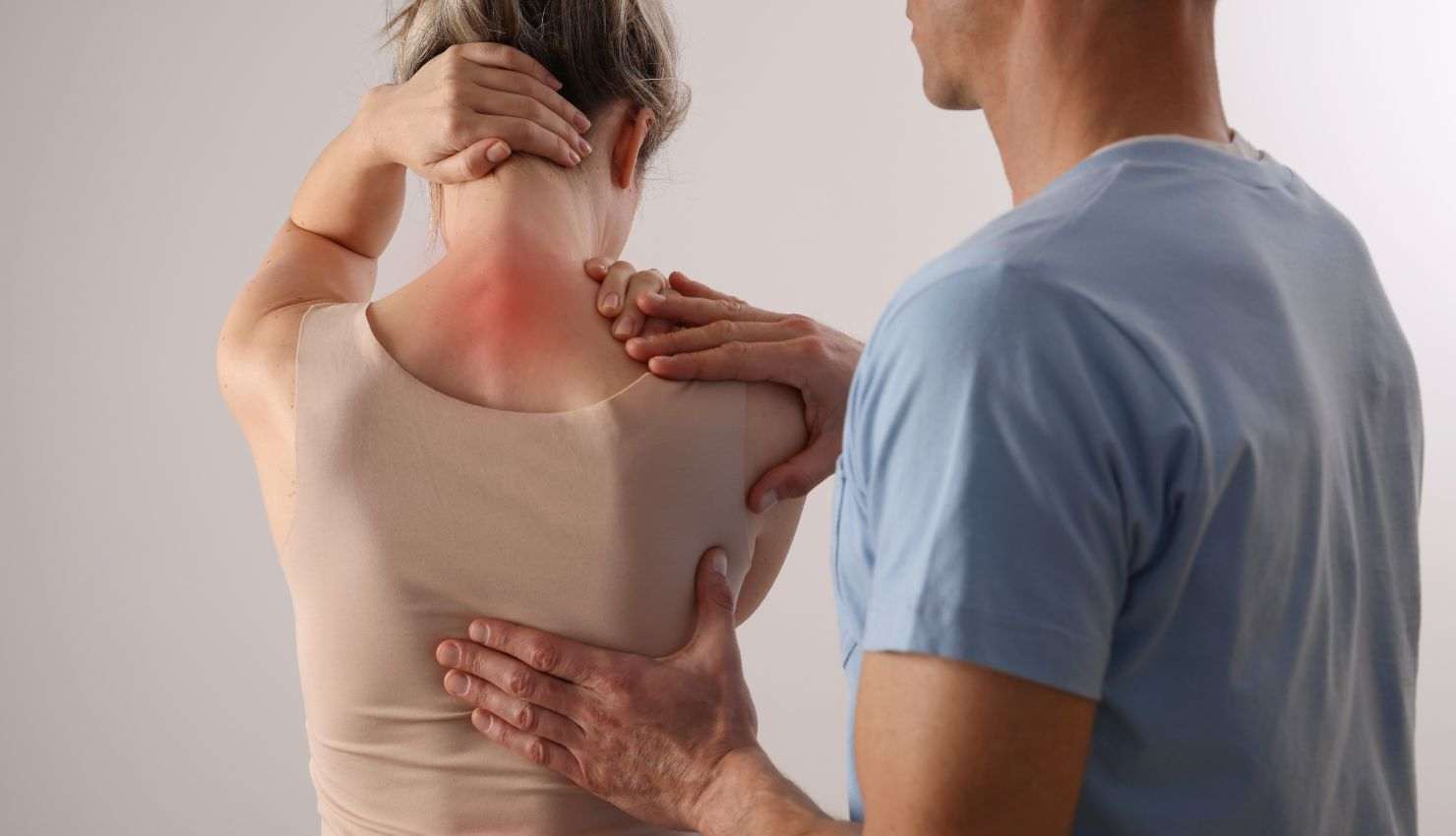
Back pain can creep into your life without warningfrom lifting a box the wrong way to sitting too long with poor posture. One of the most common culprits? Spinal disc injuries. Whether its a bulging disc, herniation, or degeneration, these injuries are painful and disruptive. But heres the game changer: a strong, well-trained core can help protect your spine and prevent disc injuries before they start.
At YourFormsUX Canada, we emphasize core strength as a key part of our spine rehabilitation programs. When your core works like it should, it acts as a built-in support system for your spinereducing stress on your discs and keeping everything in alignment.
Lets explore how core strength protects your spine, helps you move more safely, and reduces your risk of long-term back issues.
What Are Spinal Disc Injuries?
Your spinal column is made up of vertebrae separated by soft, gel-like discs that act as shock absorbers. These discs allow for flexibility and cushion movement.
When theyre injured, it usually happens in one of the following ways:
Disc bulge the outer layer of the disc pushes out slightly, irritating nearby nerves
Disc herniation the inner gel leaks out, often compressing the spinal nerves
Degenerative disc disease age-related breakdown of disc tissue over time
Annular tear a small tear in the outer disc ring
Injuries like these can lead to symptoms such as:
Pain in the lower back or neck
Sciatic nerve pain down the leg
Numbness or tingling in the extremities
Weakness during movement
Reduced flexibility and range of motion
Disc injuries are often caused by a combination of factors: poor posture, repetitive lifting, weak core muscles, and sedentary lifestyles.
Why Core Strength is Crucial
Your core is not just your absits a group of deep muscles that surround and support your spine. These include:
Transverse abdominis acts like a corset, stabilizing your trunk
Multifidus small muscles along the spine that control vertebral movement
Obliques support twisting and side-bending motions
Diaphragm and pelvic floor contribute to internal pressure and stability
Glutes and hip stabilizers connect lower body strength to spinal alignment
When these muscles are strong and coordinated, they take the pressure off the spinal discs by supporting proper posture, absorbing movement forces, and maintaining spinal integrity during lifting or bending.
How Weak Core Muscles Increase Risk of Disc Injury
A weak or inactive core allows stress to transfer directly to the spinal joints and discs. Heres how:
Poor spinal alignment places uneven pressure on discs, leading to bulges or herniation
Overuse of back muscles causes muscle strain and fatigue, leaving the spine vulnerable
Unstable movement patterns make you more prone to injury during everyday activities
Lack of intra-abdominal pressure fails to brace and support the spine under load
This is why people often throw their back out during something as routine as tying a shoe or lifting a laundry basket.
How Core Training Prevents Disc Injuries
At YourFormsUX Canada, our physiotherapists use core rehab techniques to train your body to move in a safer, more supportive way. This helps:
1. Distribute Load Properly
A strong core acts as a central hub that distributes forces evenly through your spine, pelvis, and limbs. This reduces the burden placed directly on spinal discs during movement.
2. Stabilize the Spine During Lifting and Bending
With correct core activation, you can maintain a neutral spine and reduce shearing forces that commonly cause disc injuries. Core rehab teaches proper form and breathing during:
Squats and lunges
Picking up objects
Rotational movements
Static holds and transitions
3. Protect the Spine from Repetitive Stress
Whether youre sitting at a desk or playing sports, repetitive motion and poor mechanics can wear down discs over time. Core strength provides resilience and control, reducing the risk of overuse injuries.
4. Enhance Balance and Proprioception
Your core muscles also help with balance and awareness of your body in space. Improved proprioception reduces falls, awkward movements, and unexpected strains that could harm the spine.
Best Core Exercises for Spinal Disc Injury Prevention
We dont rely on traditional crunches or sit-ups. Our approach includes safe, spine-friendly core exercises that improve deep core engagement:
Dead bug builds core control without straining the spine
Bird-dog improves spinal stability and cross-body coordination
Glute bridges activate posterior chain and support lumbar alignment
Planks and side planks develop endurance in the stabilizing muscles
Pallof press (anti-rotation) trains your core to resist twisting, a common source of disc injury
All movements are scaled to your fitness level and tailored to your bodys needs.
Who Should Focus on Core Training?
Core strengthening is especially important if you:
Have a sedentary job or lifestyle
Perform physical labor or lifting
Play sports that involve rotation or impact
Have had back pain or disc injuries in the past
Are aging and want to prevent spinal degeneration
At YourFormsUX, we work with everyone from busy professionals to active seniors to new parentsbuilding stronger cores and safer spines.
It’s Not Just About Avoiding InjuryIts About Thriving
When you strengthen your core, you do more than protect your spine:
You move more efficiently
You reduce fatigue in your back and limbs
You improve posture and breathing
You gain confidence in daily movement
You maintain independence as you age
Disc injuries are preventableand a stable, well-trained core is your best defense.
Build a Stronger Foundation with YFS Canada
If youve experienced back discomfort, had a previous disc injury, or simply want to future-proof your spine, the time to strengthen your core is now. At YourFormsUX Canada, well design a personalized program that empowers you with better movement, better posture, and long-term protection against injury.
Dont wait for pain to tell you somethings wrong. Take a proactive step toward spinal healthstarting from your core.