How to Avoid Back Surgery Through Spine and Core Rehabilitation explores targeted strategies for recovery. Discover new paths to mobility, healing, and personalized care.

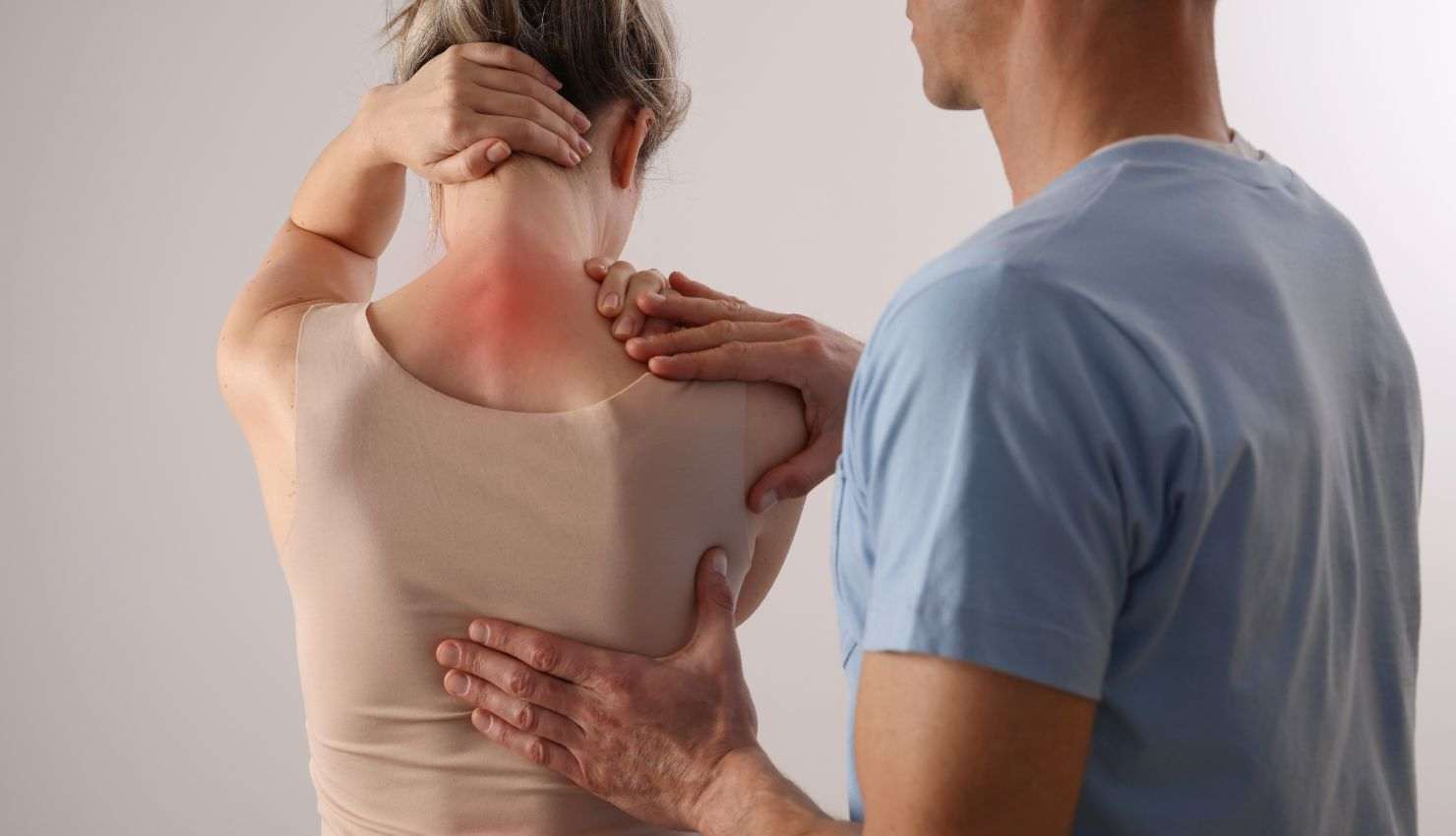
Hearing that you might need back surgery is enough to make anyone pause. While surgery can sometimes be necessary, its not always the best or only path to relief. In fact, for many spinal conditions, conservative treatment optionsespecially spine and core rehabilitationcan significantly reduce or eliminate the need for surgery altogether.
At YourFormsUX Canada, we specialize in helping people avoid invasive procedures by restoring strength, mobility, and function through physiotherapy and structured core rehabilitation. Whether youre struggling with chronic back pain, a disc issue, or nerve compression, building a strong, stable spine may be your best defenseand your smartest alternative.
When Back Surgery Is Considered
Back surgery is usually recommended when non-invasive treatments fail, and symptoms like pain, numbness, or mobility limitations interfere severely with your quality of life. Common reasons doctors suggest surgery include:
Herniated or bulging discs
Spinal stenosis (narrowing of spinal canal)
Degenerative disc disease
Spondylolisthesis (vertebra slips out of place)
Persistent nerve compression (sciatica)
However, studies show that many people can achieve the same or better outcomes with conservative carewithout the risks, downtime, or potential complications of surgery.
Why Spine and Core Rehab Is a Powerful Alternative
Surgery addresses structural issues, but it doesnt necessarily fix the root causelike weak core muscles, poor posture, or dysfunctional movement patterns. Thats where spine and core rehabilitation comes in.
A focused rehab program:
Strengthens the muscles supporting your spine
Reduces pressure on discs and nerves
Corrects alignment and posture
Restores natural movement and flexibility
Helps you manage pain safely and effectively
This approach is especially effective for people with chronic low back pain, sciatica, or degenerative changes. By strengthening your core and teaching your body how to move better, you can often resolve pain without ever going under the knife.
The Risks of Back Surgery You Might Avoid
Surgery, while beneficial in some cases, comes with risks such as:
Infection
Scar tissue formation
Nerve damage
Failed back surgery syndrome (FBSS)
Long recovery periods
Recurrence of symptoms if root causes arent addressed
Spine rehab helps reduce or delay the need for surgical intervention, and in many cases, patients never end up needing it at all.
How Core Rehab Helps You Avoid Surgery
At YourFormsUX Canada, we design targeted programs that support your spine by strengthening your core stabilizers, improving movement mechanics, and reducing pain naturally.
Heres how our process works:
1. Comprehensive Assessment
We begin with a detailed evaluation that includes:
Posture and spinal alignment
Range of motion
Core strength and activation
Movement habits
Pain patterns and triggers
This helps us pinpoint the real cause of your symptoms and tailor a program to your needs.
2. Deep Core Activation
Most people dont naturally engage the transverse abdominis, pelvic floor, or multifidusthe muscles that provide essential spinal stability. We teach you how to:
Activate these muscles with breathing and gentle movement
Improve intra-abdominal pressure to support your lumbar spine
Prevent micro-movements that stress spinal structures
This stage sets the foundation for long-term spinal health.
3. Pain-Relieving Movements
Gentle, guided movement reduces inflammation and re-trains your nervous system to interpret motion as safe rather than painful. We use:
Modified yoga-inspired stretches
Nerve-gliding exercises for sciatica relief
Decompression techniques for spinal space
Postural correction drills
This approach can alleviate symptoms without medication or injections.
4. Strength Training with Precision
Once your core is firing properly, we progress to strengthening with precision:
Bird-dog and dead bug for motor control
Glute bridges and hip strengthening to reduce spinal load
Planks and Pallof presses for anti-rotation control
Functional lifts and carries to prepare for real-life movement
These exercises mimic daily lifehelping your body handle loads safely and confidently.
5. Education and Long-Term Prevention
Youll learn how to:
Sit, stand, and move without stressing your spine
Avoid injury triggers during work or workouts
Build resilience and strength through proper form
Maintain progress with at-home core workouts
By the time youve completed your rehab plan, youll not only feel betteryoull know how to stay better.
Conditions That Often Improve Without Surgery
Weve helped hundreds of clients manage and often fully resolve these spinal conditions non-surgically:
Bulging discs realigned through posture and load management
Mild-to-moderate herniated discs treated with core stabilization
Spinal stenosis relieved by decompression exercises and mobility work
Degenerative disc disease supported by functional strength training
Sciatica managed by nerve mobility drills and postural correction
Non-specific low back pain improved through motor control and education
When to Consider Rehab Before Surgery
You should explore spine and core rehab if:
Your pain has persisted for more than 4 weeks
Imaging shows disc or degenerative issues but no emergency
You havent tried physiotherapy or core stabilization yet
Your pain improves when lying down or changing position
You want a natural, less invasive option
Even if surgery is eventually required, patients who complete pre-surgical rehab often have faster recoveries and better outcomes.
Real Recovery Without the Scalpel
We get itwhen you’re in pain, the idea of a “quick fix” is tempting. But surgery isnt a guarantee. What is proven is that rehabilitation focused on core strength and spinal control works. It addresses the root of the problem, not just the symptoms.
At YourFormsUX Canada, well walk beside you through each step:
Relieving your pain
Restoring your strength
Rebuilding your confidence
Reducing or eliminating your need for surgery
Back pain doesnt have to mean going under the knife. Sometimes, the best way forward starts with going back to basicsyour spine, your core, your control.