Using Physiotherapy for Effective Rehabilitation After Spinal Surgery explores targeted strategies for recovery. Discover new paths to mobility, healing, and personalized care.

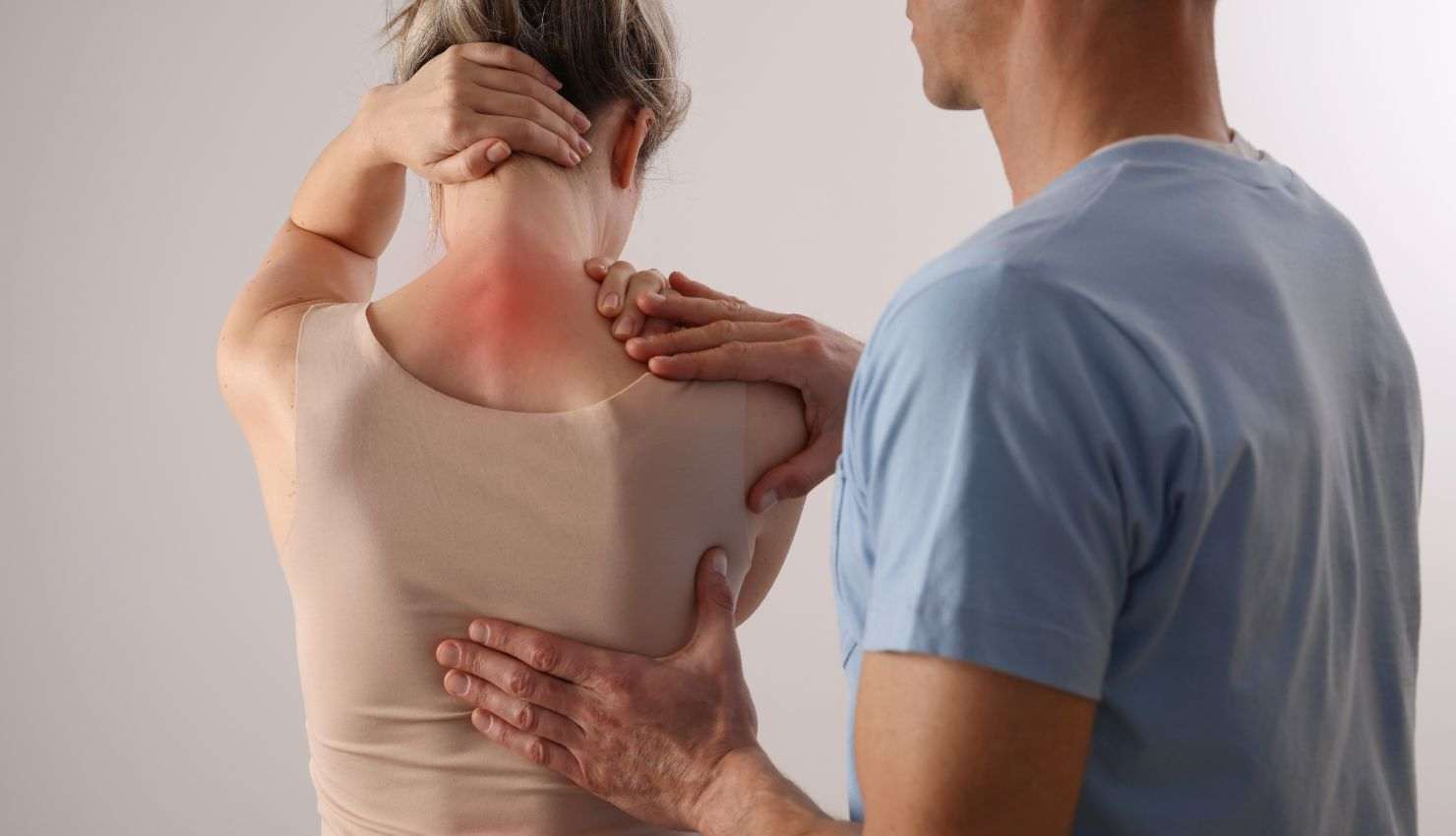
Recovering from spinal surgery is no small task. Whether you’ve undergone a discectomy, laminectomy, spinal fusion, or decompression procedure, the road to healing doesnt end after the operationit actually begins. And one of the most critical components of that recovery journey is physiotherapy.
At YourFormSux (YFS) in Canada, we understand that post-surgical rehab isnt just about getting back on your feet; its about regaining control of your body, restoring mobility, and preventing future complications. Through tailored physiotherapy programs, we guide patients through safe, structured, and effective spinal rehabilitationempowering them every step of the way.
Why Is Post-Surgical Physiotherapy So Important?
Spinal surgery, while often necessary to relieve pain or correct structural issues, can temporarily disrupt your bodys natural balance and function. You may experience reduced mobility, muscle atrophy, stiffness, or even anxiety about moving the wrong way.
Thats where physiotherapy steps in. A personalized rehab program ensures that healing happens with purposeprotecting the surgical site, rebuilding strength, and helping you move with confidence again.
Physiotherapy offers the following post-surgical benefits:
Reduces pain and inflammation naturally
Prevents scar tissue from limiting mobility
Restores proper spinal alignment
Improves core and back muscle strength
Enhances posture and body mechanics
Speeds up return to work, sport, or daily life
The YFS Approach to Spinal Surgery Rehabilitation
At YFS, we take a personalized and progressive approach. Our physiotherapists in Canada assess each patients surgery type, medical history, and lifestyle before designing a customized rehab plan. Whether youve had minor spinal decompression or complex fusion surgery, were here to walk beside you during recovery.
Heres what our rehab pathway typically includes:
1. Initial Assessment and Gentle Mobilization
In the early days after surgery, the goal is simple: encourage circulation, reduce swelling, and initiate very gentle movements. We focus on guided walking, safe postures, and awareness of proper spinal alignment during all activities. Even seemingly small movements like getting in and out of bed are taught carefully to avoid strain.
2. Breathing and Core Activation
Before any major exercises, we help you reconnect with your core. Deep abdominal muscles like the transverse abdominis and pelvic floor often go dormant after surgery. Gentle breathwork and targeted activation lay the groundwork for safe, stable movement.
3. Progressive Strengthening
As healing continues, we gradually introduce exercises to rebuild strength in the back, core, glutes, and hips. Exercises may include:
Isometric core holds
Pelvic tilts
Bridges and supported leg lifts
Seated or standing postural drills
Wall sits and balance challenges
All movements are designed to protect the spine while improving endurance and function.
4. Posture and Movement Training
Poor posture or faulty movement patterns often contribute to spinal issues in the first place. We teach you how to stand, walk, lift, and sit in ways that maintain spinal integrity and reduce the risk of re-injury.
5. Scar Tissue and Soft Tissue Mobilization
To prevent stiffness and encourage optimal healing, we use manual therapy techniques to address tight muscles, scar adhesions, and joint restrictions. These methods support circulation and flexibility while improving comfort.
6. Functional Re-integration
As your body gains strength and confidence, we begin training for real-life tasks. Whether it’s returning to work, resuming athletic activities, or simply picking up your grandchild without pain, we prepare your body for what matters most to you.
When Should You Start Physiotherapy After Surgery?
The timeline for beginning physiotherapy depends on your specific surgery and your surgeons recommendations. However, early interventionusually within the first two weeksis typically encouraged for safe mobilization and swelling reduction.
At YFS, we coordinate directly with your surgical team (when applicable) to ensure the rehab plan aligns with your recovery milestones and medical instructions.
Who Benefits from Post-Surgical Spinal Physiotherapy?
If you’ve had any of the following procedures, physiotherapy can be a key to successful recovery:
Lumbar or cervical discectomy
Spinal fusion
Laminectomy or foraminotomy
Spinal decompression for stenosis
Surgery for scoliosis or spinal instability
Whether you’re an athlete, office worker, retiree, or stay-at-home parent, we tailor the rehab process to suit your lifestyle and goals.
Why Choose YFS in Canada?
YourFormSux is proud to be one of Canadas most trusted physiotherapy providers. What sets us apart is our one-on-one, education-focused approach. We dont just guide you through exerciseswe help you understand your body, your surgery, and your path to long-term health.
Our licensed physiotherapists offer not only expert hands-on care but also emotional support and clear communication. Recovery from spinal surgery can be overwhelmingwere here to make the process feel manageable and motivating.
Conclusion
Recovering from spinal surgery is a journeybut it doesnt have to be one you take alone. With the guidance of skilled physiotherapists and a core-focused rehabilitation plan, you can rebuild strength, restore function, and move forward with confidence.
At YFS in Canada, were committed to helping you reclaim your independence, one step at a time. If youre preparing for or recovering from spinal surgery, were here to support your healing every day of the way.