The Impact of Core Stability on Spinal Pain Relief explores targeted strategies for recovery. Discover new paths to mobility, healing, and personalized care.

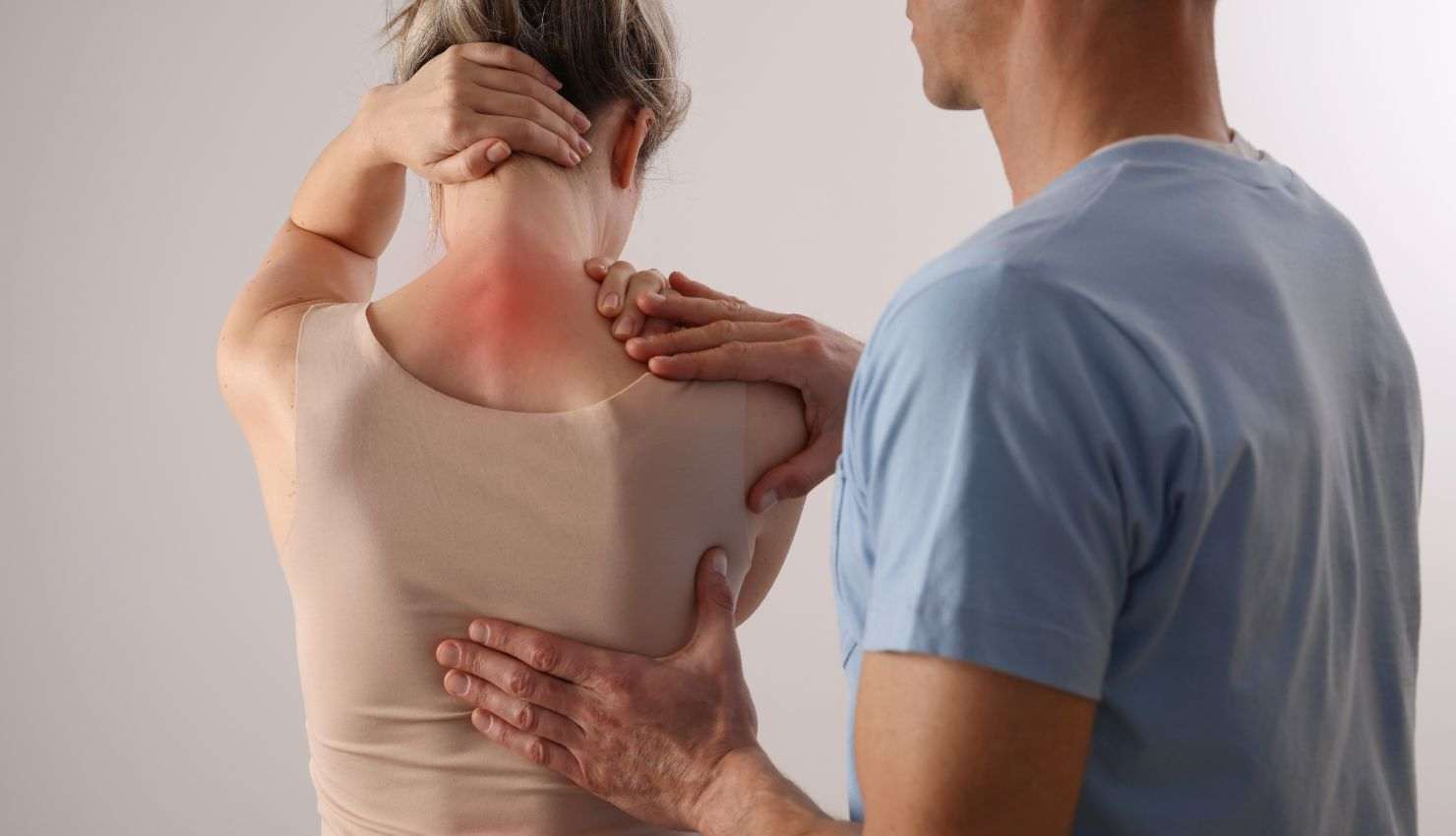
Spinal painwhether its a dull ache in your lower back or sharp discomfort between your shoulder bladescan be debilitating. But what if one of the most effective tools for managing and even eliminating this pain wasnt medication or surgery, but improving your core stability?
In this blog, well explore the powerful relationship between core stability and spinal pain relief. If youre searching for lasting, non-invasive solutions to back pain in Canada, especially through physiotherapy, youre in the right place.
What Is Core Stability?
Core stability refers to your bodys ability to control the position and movement of the central portion of your bodythe area around your spine, pelvis, and hips. Its what keeps you upright when you walk, helps you maintain good posture when sitting, and protects your spine when lifting or twisting.
Your core muscles act like a brace for your spine. These muscles dont just include the abs; they also include deeper stabilizing muscles like the transverse abdominis, multifidus, pelvic floor, and diaphragm. When these muscles are functioning properly, they form a stable base that supports and protects your spine.
How Poor Core Stability Triggers Spinal Pain
When your core muscles are weak, your body relies on passive structures like ligaments and spinal discs to maintain posture and movement. This adds stress to the spinal joints and soft tissues. Over time, this imbalance can lead to:
Chronic lower back pain
Upper back tension
Spinal misalignments
Poor posture
Increased risk of disc injuries
Without adequate core support, your spine becomes more vulnerable to both acute injuries and ongoing strain. Even sitting for long periods without core engagement can lead to fatigue and discomfort.
Core Stability vs. Core Strength: What’s the Difference?
While the terms are often used interchangeably, core strength refers to the muscles ability to produce force, while core stability refers to the ability to control spinal movement under load or during dynamic tasks. You might have strong core muscles but poor stability if those muscles dont activate properly or in the right sequence.
At Your Form Sucks (YFS), physiotherapy programs dont just aim to make you strongerthey focus on core activation and stabilization, ensuring that your spine is supported in real-life movements, not just in the gym.
Physiotherapy for Core Stability and Pain Relief
A qualified physiotherapist can assess your posture, movement patterns, and muscular imbalances to identify issues affecting your spine. At YFS, we often use the following strategies to boost core stability:
Isometric exercises like planks and dead bugs
Controlled dynamic movements with a focus on form
Spinal mobility work to enhance functional range of motion
Biofeedback techniques to improve neuromuscular control
Every program is customized. Whether youre dealing with herniated discs, sciatica, or general back tension, core-focused physiotherapy can reduce pain by offloading pressure from the spine.
AEO & SEO Keyword Focus
If you’re navigating online to find help for spinal pain, you may come across phrases like:
best core exercises for lower back pain, how core stability helps spinal recovery, physiotherapy for core imbalance, or non-surgical back pain treatment Canada. These long-tail and short-tail keywords reflect what people across Canada are actively searchingand they all highlight the value of core-focused therapy.
YFS is here to bridge that knowledge gap, combining targeted core rehab with modern physiotherapy techniques for lasting relief.
Everyday Benefits of Core Stability
Besides reducing spinal pain, improving your core stability brings a host of benefits:
Better balance and coordination
Reduced risk of injury during everyday activities
Enhanced posture and reduced fatigue during long work hours
Improved performance in sports and recreational movement
Greater confidence in movement for aging individuals
Spinal health is not just about avoiding painits about enabling an active, independent lifestyle. Core stability is the key to unlocking that potential.
Why Choose YFS for Your Core Stability Program?
At YFS, our physiotherapists take a whole-body approach. We understand that no two spinesand no two coresare the same. Thats why we tailor each plan to fit your goals, condition, and daily demands. Were proud to serve clients across Canada who want real, functional solutionsnot just temporary relief.
Whether youre recovering from a back injury or trying to prevent one in the future, building core stability through guided physiotherapy is one of the smartest investments you can make in your health.