Spinal Health 101 explores targeted strategies for recovery. Discover new paths to mobility, healing, and personalized care.

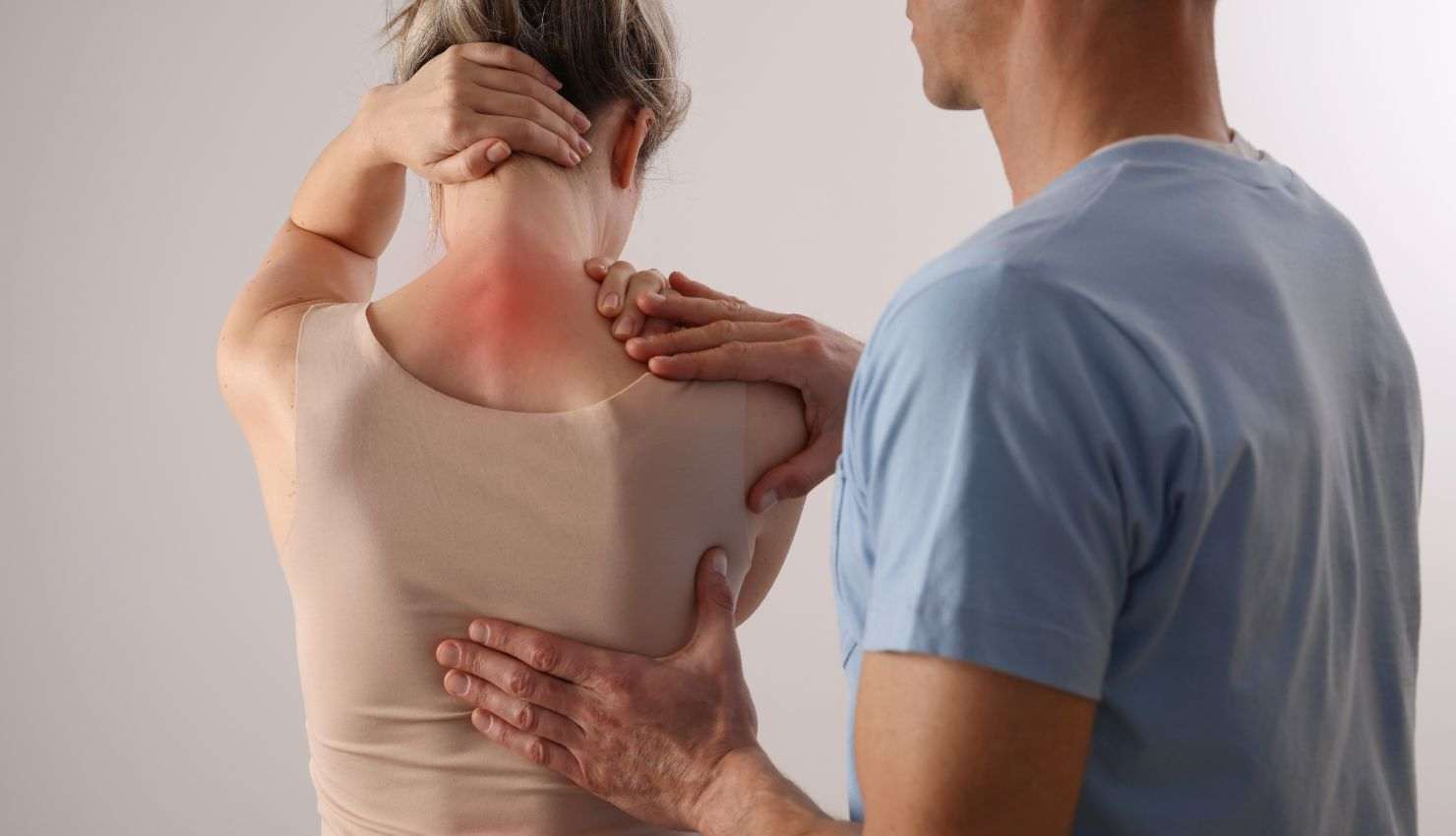
When it comes to spinal health, many people focus solely on treating pain once it occurs, rather than addressing the root causes before problems develop. One of the most effective strategies for maintaining a healthy spine is incorporating core rehabilitation into your regular fitness or wellness routine.
At Your Form Sucks (YFS), weve seen firsthand how consistent core rehab can prevent spinal injuries, reduce chronic pain, and improve mobility for people across Canada. In this blog, well break down why core rehab is essential, what it involves, and how it benefits your spine every day.
Understanding the Role of Your Core in Spinal Health
Your core isnt just about absits a complex system of muscles surrounding your spine, pelvis, and hips. These muscles work together to stabilize your spine during movement, distribute forces evenly, and maintain proper posture.
Without a strong, well-functioning core:
Your spine may be exposed to uneven pressure and strain
Posture can suffer, leading to slouching or misalignment
The risk of spinal injuries and degenerative conditions increases
Core rehab strengthens these muscles, improves neuromuscular control, and trains your body to move efficiently and safely.
What Is Core Rehabilitation?
Core rehabilitation is a specialized physiotherapy process focused on:
Activating deep core muscles that are often underused
Correcting muscle imbalances that affect spinal stability
Enhancing coordination and endurance of core muscles
Incorporating functional movements that support daily activities
At YFS, we customize core rehab programs to suit individual needs, whether youre recovering from injury or looking to improve general spinal health.
The Benefits of Making Core Rehab a Habit
Reduced Risk of Injury
Regular core rehab prepares your spine to handle physical stress and reduces the likelihood of strains, sprains, and disc injuries.
Improved Posture and Alignment
Strong core muscles support proper posture, decreasing stress on spinal joints and muscles.
Better Balance and Coordination
A stable core enhances your ability to balance and move smoothly, which is vital for sports, work, and everyday life.
Pain Relief and Prevention
Many cases of chronic back pain stem from weak or dysfunctional core muscles. Core rehab can alleviate pain by addressing these weaknesses.
Enhanced Functional Movement
Core rehab trains your muscles to work together during real-world activities like lifting, bending, and twistingmaking movement safer and more efficient.
How Physiotherapy Facilitates Effective Core Rehab
Simply doing crunches or sit-ups isnt enough to protect your spine. Core rehab through physiotherapy focuses on quality over quantityteaching you how to engage the right muscles, in the right sequence, and with proper control.
At YFS, physiotherapists use:
Movement assessments to identify weak points
Guided exercises that activate deep stabilizing muscles
Manual therapy to address tightness or restrictions
Progressive challenges that safely increase strength and endurance
This approach ensures your core rehab is effective and sustainable.
SEO & AEO Keywords to Know
When searching for ways to improve spinal health, people often use terms like:
core rehab exercises for back pain, spinal health and core strengthening, physiotherapy for core stability, or how to prevent back injuries. These keywords reflect the solutions YFS offers for long-term spinal wellness.
Simple Core Rehab Exercises to Start Today
Here are a few physiotherapy-approved exercises you can try:
Transverse Abdominis Activation: Lie on your back, gently draw your belly button toward your spine without holding your breath. Hold for 10 seconds.
Pelvic Tilts: Slowly tilt your pelvis upward while lying down to engage lower abdominal muscles.
Bird-Dog: On hands and knees, extend one arm and opposite leg while keeping your spine neutral.
Wall Plank: Stand facing a wall, place hands on it, and hold a plank position to build shoulder and core stability.
Remember, these are starting pointsconsult a physiotherapist to tailor exercises to your needs.
Final Thoughts
Your spine deserves consistent care, and core rehabilitation is one of the most effective ways to ensure it stays healthy. By making core rehab a part of your routine, youre investing in a stronger, more resilient body that can handle lifes demands without pain.
At Your Form Sucks, we provide expert physiotherapy services across Canada that help you build and maintain a core that supports lifelong spinal health. Reach out to start your core rehab journey today.