Improving Spinal Mobility with Core Stability Exercises explores targeted strategies for recovery. Discover new paths to mobility, healing, and personalized care.

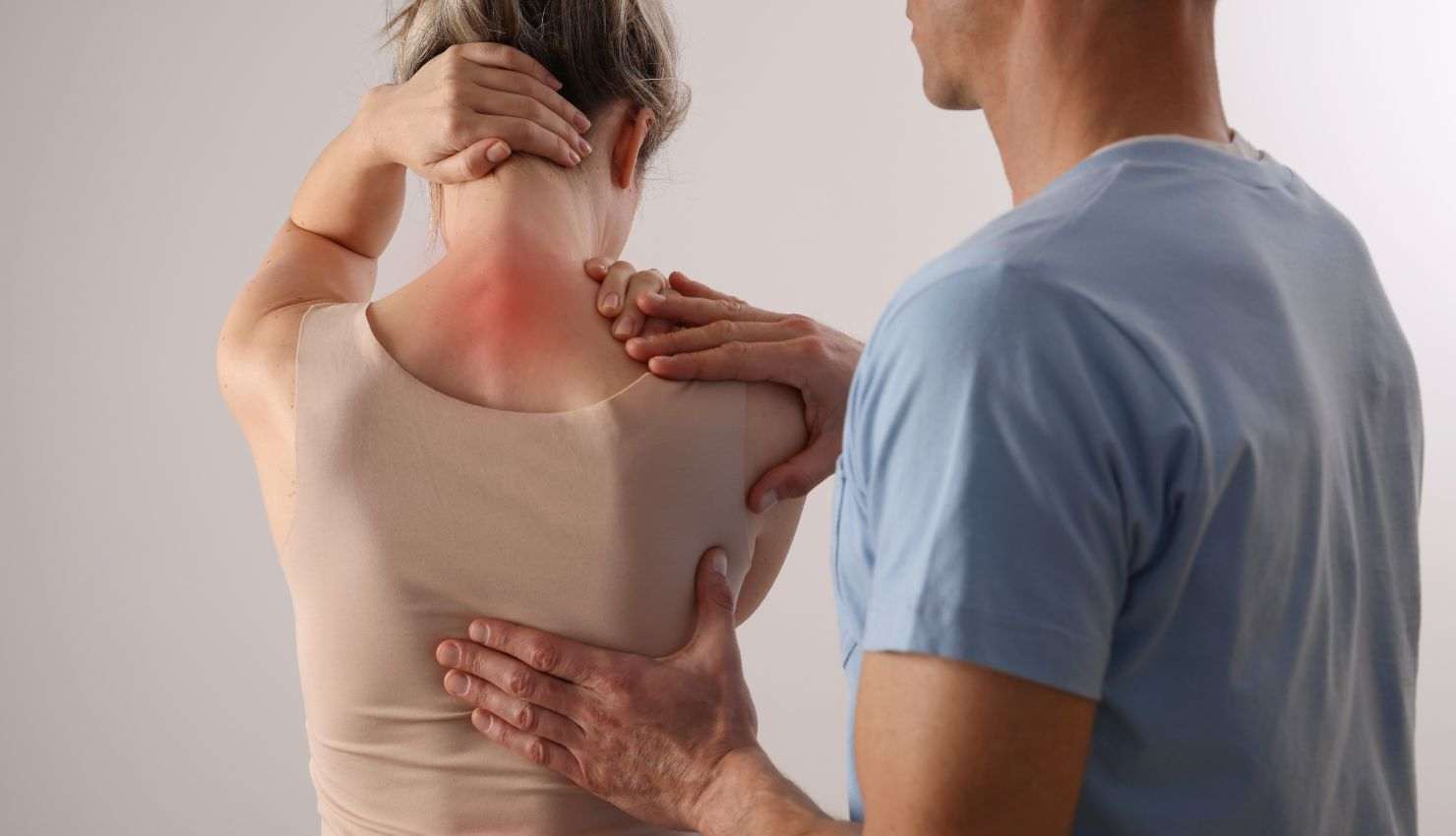
Spinal mobilitythe ability of your spine to move freely and without painis essential for daily function and overall quality of life. However, many people struggle with stiffness, limited range of motion, or discomfort in their backs, which can severely impact mobility. One of the most effective ways to improve spinal mobility is through core stability exercises.
At YourFormsUX, we recognize the importance of spinal health, especially for those dealing with back pain or recovering from injury. In this blog, well explore how core stability exercises can enhance spinal mobility, why the two are linked, and how you can safely incorporate these exercises into your routine.
What Is Core Stability and Why Does It Matter for the Spine?
Core stability refers to the ability of your deep abdominal, back, and pelvic muscles to support your spine and pelvis during movement and while holding still. These muscles act like a natural corset around your spine, helping to maintain proper alignment and prevent injury.
When your core is stable, your spine can move efficiently through its full range of motion without undue strain or risk of injury. This balance between strength and flexibility is what enables smooth, controlled spinal mobility.
How Core Stability Enhances Spinal Mobility
Protects the Spine During Movement
Strong, stable core muscles prevent excessive or awkward movements that can stress the spinal joints and discs. This protective effect allows you to move your spine more freely and confidently.
Improves Posture and Alignment
Core stability helps maintain the natural curves of your spine, reducing postural imbalances that restrict spinal movement and cause stiffness.
Reduces Pain and Muscle Tension
By supporting the spine correctly, core stability reduces compensatory muscle tightness that often limits mobility and causes discomfort.
Promotes Functional Movement Patterns
A stable core allows your body to move in coordinated, balanced ways, improving your ability to bend, twist, and stretch without restriction.
Core Stability Exercises That Improve Spinal Mobility
Here are some effective core stability exercises designed to boost spinal mobility safely:
Pelvic Clock
Lie on your back with knees bent. Imagine your pelvis is a clock face. Slowly tilt your pelvis forward, backward, and side to side, maintaining abdominal engagement. This gentle movement increases spinal awareness and mobility.
Cat-Cow Stretch
Starting on all fours, alternate between arching your back (cat) and dipping it down (cow). This movement mobilizes the spine through flexion and extension while engaging the core for control.
Bird-Dog
On hands and knees, extend your right arm forward and left leg backward while keeping your core tight. This exercise strengthens the stabilizers that support spinal movement.
Side Plank
Supports lateral core muscles that help with side bending and rotational spinal movements, enhancing overall mobility.
Seated Spinal Twist
Sit with legs crossed or extended, and gently twist your torso to one side while keeping your core engaged. This improves rotational flexibility and core strength simultaneously.
Tips for Safe and Effective Core Stability Training
Warm Up First
Always warm up with light cardio or dynamic stretching to prepare your muscles and joints.
Focus on Controlled Movements
Quality beats quantity. Perform each exercise slowly with focus on proper technique and core engagement.
Progress Gradually
Start with easier exercises and gradually increase difficulty as your core strength and spinal mobility improve.
Avoid Painful Movements
Stop any exercise that causes sharp pain or discomfort.
Incorporate Breathing Techniques
Use diaphragmatic breathing to enhance core muscle activation during exercises.
Why Core Stability Should Be Part of Your Spinal Health Routine
Integrating core stability exercises into your fitness or rehabilitation program supports long-term spinal health. It helps prevent injury, reduces the risk of chronic back pain, and enhances your ability to perform daily activities with ease.
For individuals recovering from spinal surgery or managing conditions like herniated discs, scoliosis, or arthritis, core stability training is often a key component of physiotherapy protocols.
How YourFormsUX Supports Your Health Journey
At YourFormsUX, we provide tools and resources to empower Canadians on their health and wellness journeys. While our main focus is on delivering high-quality form solutions, we also aim to share valuable insights like the benefits of core stability for spinal mobility, helping you make informed decisions about your health.
Conclusion
Improving spinal mobility isnt just about stretchingits about stabilizing your spine through targeted core exercises. Core stability exercises protect your spine, improve posture, reduce pain, and promote balanced movement, all of which contribute to enhanced spinal mobility.
Whether youre dealing with back stiffness, recovering from injury, or simply aiming to maintain spinal health, incorporating core stability training into your routine can make a significant difference.