How Core Stability Helps Prevent Slipped Discs and Other Spinal Injuries explores targeted strategies for recovery. Discover new paths to mobility, healing, and personalized care.

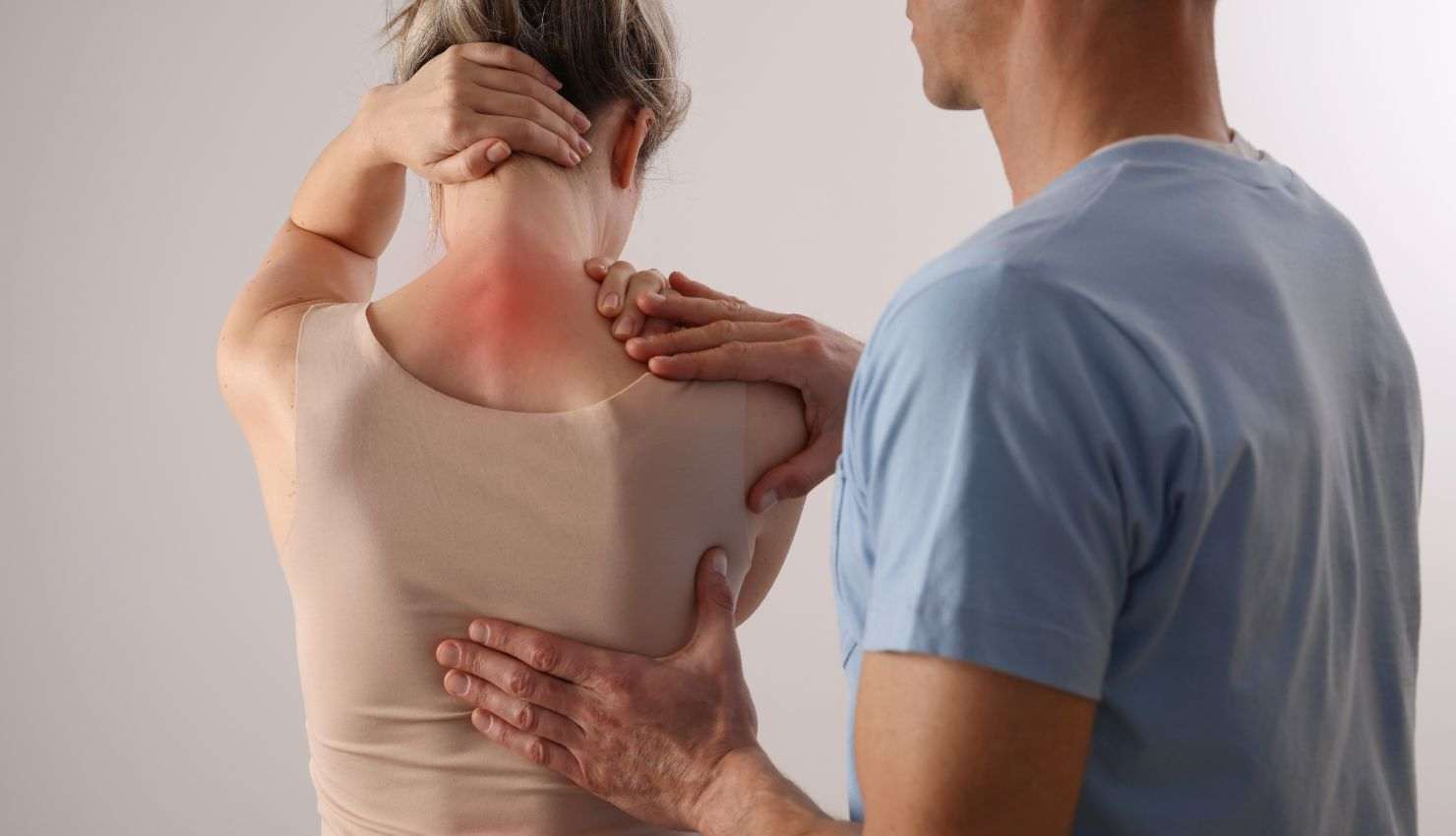
Spinal injuries such as slipped discs (also known as herniated discs) can be painful and debilitating, affecting your ability to perform everyday tasks. Preventing these injuries is essential for maintaining a healthy, active lifestyle. One of the most effective preventive strategies is improving core stability.
At YourFormsUX, we recognize the importance of spinal health and the role a strong core plays in protecting your spine. This blog explores how core stability helps prevent slipped discs and other spinal injuries, why its crucial to include core training in your routine, and practical ways to build core strength safely.
Understanding Slipped Discs and Spinal Injuries
A slipped or herniated disc occurs when the soft inner gel of a spinal disc pushes through the outer layer, irritating nearby nerves. This can cause pain, numbness, or weakness in the back, legs, or arms.
Other common spinal injuries include muscle strains, ligament sprains, and facet joint dysfunction. Many of these injuries happen due to poor posture, sudden trauma, or repetitive strain, often worsened by weak core muscles.
The Role of Core Stability in Spinal Protection
The core is a group of muscles that stabilizes your spine and pelvis during movement. These muscles include the transverse abdominis, multifidus, pelvic floor muscles, diaphragm, and obliques. Together, they form a natural corset that supports spinal alignment and distributes forces evenly.
Heres how core stability prevents spinal injuries:
Maintains Proper Spinal Alignment
A stable core keeps your spine in a neutral, healthy position, reducing abnormal stresses that can lead to disc herniation or joint strain.
Absorbs and Distributes Load
Strong core muscles absorb impact forces during activities like lifting or twisting, protecting discs and vertebrae from excessive pressure.
Enhances Movement Control
Core stability improves your ability to control spinal movements, preventing sudden jerks or overextensions that may cause injury.
Reduces Muscle Imbalances
Weak core muscles can cause compensatory movement patterns that overload certain spinal areas. Core training balances muscle function, reducing injury risk.
How to Build Core Stability to Protect Your Spine
Building core stability involves exercises that engage deep stabilizing muscles and improve coordination. Here are some effective strategies:
Focus on Deep Core Activation: Exercises like abdominal bracing and pelvic floor engagement train the muscles that support spinal stability.
Incorporate Functional Movements: Movements like bird-dog and bridges mimic everyday activities while strengthening the core.
Practice Controlled Breathing: Diaphragmatic breathing enhances core engagement and supports spinal function.
Use Stability Tools: Stability balls or balance boards challenge your core to maintain control in dynamic positions.
Progress Gradually: Start with simple exercises and gradually increase difficulty as your core strength improves.
Tips for Preventing Spinal Injuries Beyond Core Training
Maintain good posture whether sitting, standing, or lifting.
Use proper lifting techniquesbend at the knees, not the waist.
Avoid prolonged sitting or repetitive strain.
Stay active with regular low-impact exercise.
Listen to your body and rest when needed.
The YourFormsUX Commitment to Spinal Health
While YourFormsUX primarily provides efficient form solutions across Canada, were also committed to sharing wellness insights that support a healthy lifestyle, including spinal injury prevention.
Conclusion
Core stability is your spines best defense against slipped discs and other spinal injuries. By maintaining proper alignment, absorbing loads, and improving movement control, a strong core protects your spine from damage.
Incorporating core stability exercises into your daily routine, combined with healthy habits, empowers you to reduce injury risk and enjoy a more active, pain-free life.