Physiotherapy Solutions for Treating Spinal Stenosis and Weak Core Muscles explores targeted strategies for recovery. Discover new paths to mobility, healing, and personalized care.

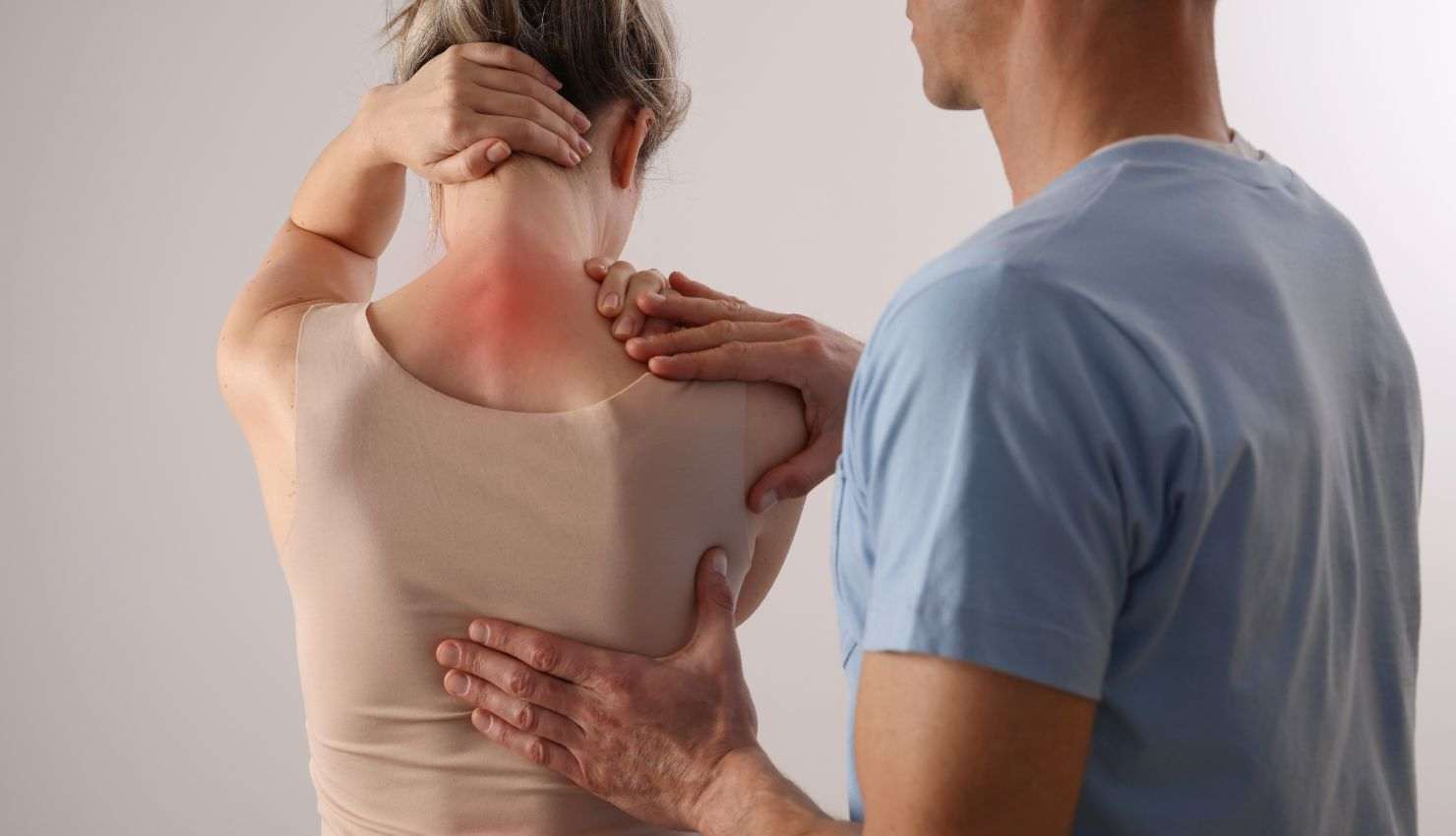
Spinal stenosis is a common condition that affects millions worldwide, especially as we age. It occurs when the spaces within your spine narrow, putting pressure on the spinal cord and nerves. This can lead to pain, numbness, weakness, and difficulties in mobility. While spinal stenosis itself requires careful medical attention, a frequently overlooked but essential component of effective treatment is addressing weak core muscles through physiotherapy.
What is Spinal Stenosis?
Spinal stenosis most often develops in the lower back (lumbar stenosis) or neck (cervical stenosis). The narrowing of the spinal canal compresses nerves, causing symptoms such as:
Back or neck pain
Leg or arm pain, often radiating downwards
Weakness or numbness in limbs
Difficulty walking or maintaining balance
Stiffness and reduced mobility
The causes of spinal stenosis include age-related degeneration, herniated discs, thickened ligaments, and spinal injuries.
The Role of Core Muscles in Spinal Stenosis
Core muscles play a vital role in stabilizing the spine and maintaining proper posture. When these muscles are weak, the spine becomes less supported, which can worsen the pressure on the spinal nerves caused by stenosis. Weak core muscles often lead to poor posture and increased spinal loading, exacerbating symptoms.
By strengthening the core, patients can:
Improve spinal stability and reduce excessive movement
Correct posture to alleviate nerve pressure
Enhance balance and reduce fall risk
Support daily activities with less pain and fatigue
How Physiotherapy Helps Treat Spinal Stenosis with Core Strengthening
Physiotherapy is a cornerstone in managing spinal stenosis, especially for those aiming to avoid or delay surgery. A physiotherapist designs personalized treatment plans focusing on core muscle strengthening, flexibility, and pain relief techniques.
Key components of physiotherapy for spinal stenosis include:
Core Stabilization Exercises
These exercises target deep core muscles to provide better support to the spine. For example:
Pelvic tilts
Bridging exercises
Bird-dog exercises
Postural Training
Learning to maintain neutral spine alignment reduces nerve compression and improves function. Therapists teach proper sitting, standing, and walking techniques.
Flexibility and Stretching
Tight muscles, especially in the lower back and hips, can increase spinal pressure. Stretching improves range of motion and reduces stiffness.
Pain Management Modalities
Techniques like heat therapy, ultrasound, and electrical stimulation help manage pain and inflammation during recovery.
Functional Training
Physiotherapists work on improving walking endurance and balance, which are often impaired in spinal stenosis.
Sample Core Exercises for Spinal Stenosis Patients
Here are some gentle but effective core exercises commonly recommended:
Pelvic Tilt: Lie on your back, knees bent, feet flat. Tighten abdominal muscles to flatten your lower back into the floor. Hold for 5 seconds. Repeat 10-15 times.
Bridge: From the same position, lift hips off the floor, squeezing glutes and engaging the core. Hold for 5-10 seconds and slowly lower. Repeat 10 times.
Bird-Dog: On hands and knees, extend opposite arm and leg while keeping your back flat. Hold for a few seconds, then switch sides. Repeat 10 times each side.
Modified Plank: On forearms and knees, maintain a straight line from head to knees. Hold for 15-30 seconds as tolerated.
Importance of Professional Guidance
Spinal stenosis varies widely in severity and symptoms, so a one-size-fits-all approach doesnt work. Physiotherapists assess your condition and adjust exercises to avoid aggravating symptoms.
Starting exercises too aggressively can increase pain or cause further injury. Thats why working with a professional ensures safety and maximizes benefits.
Lifestyle Tips to Complement Physiotherapy
In addition to exercises, these habits can ease spinal stenosis symptoms:
Avoid prolonged standing or walking without breaks
Use supportive footwear and avoid high heels
Maintain a healthy weight to reduce spinal load
Incorporate low-impact aerobic activities like swimming or cycling
Practice good ergonomics at work and home
The Road Ahead
While spinal stenosis is a chronic condition, many patients experience significant relief through a combination of physiotherapy and lifestyle changes. Strengthening weak core muscles is a powerful step towards reducing pain, improving mobility, and enhancing quality of life.
If you or a loved one are struggling with spinal stenosis symptoms, consulting a physiotherapist early can set you on a path to better spine health with core strengthening playing a pivotal role.