How Physiotherapy Helps with Spinal Injuries and Core Rehabilitation explores targeted strategies for recovery. Discover new paths to mobility, healing, and personalized care.

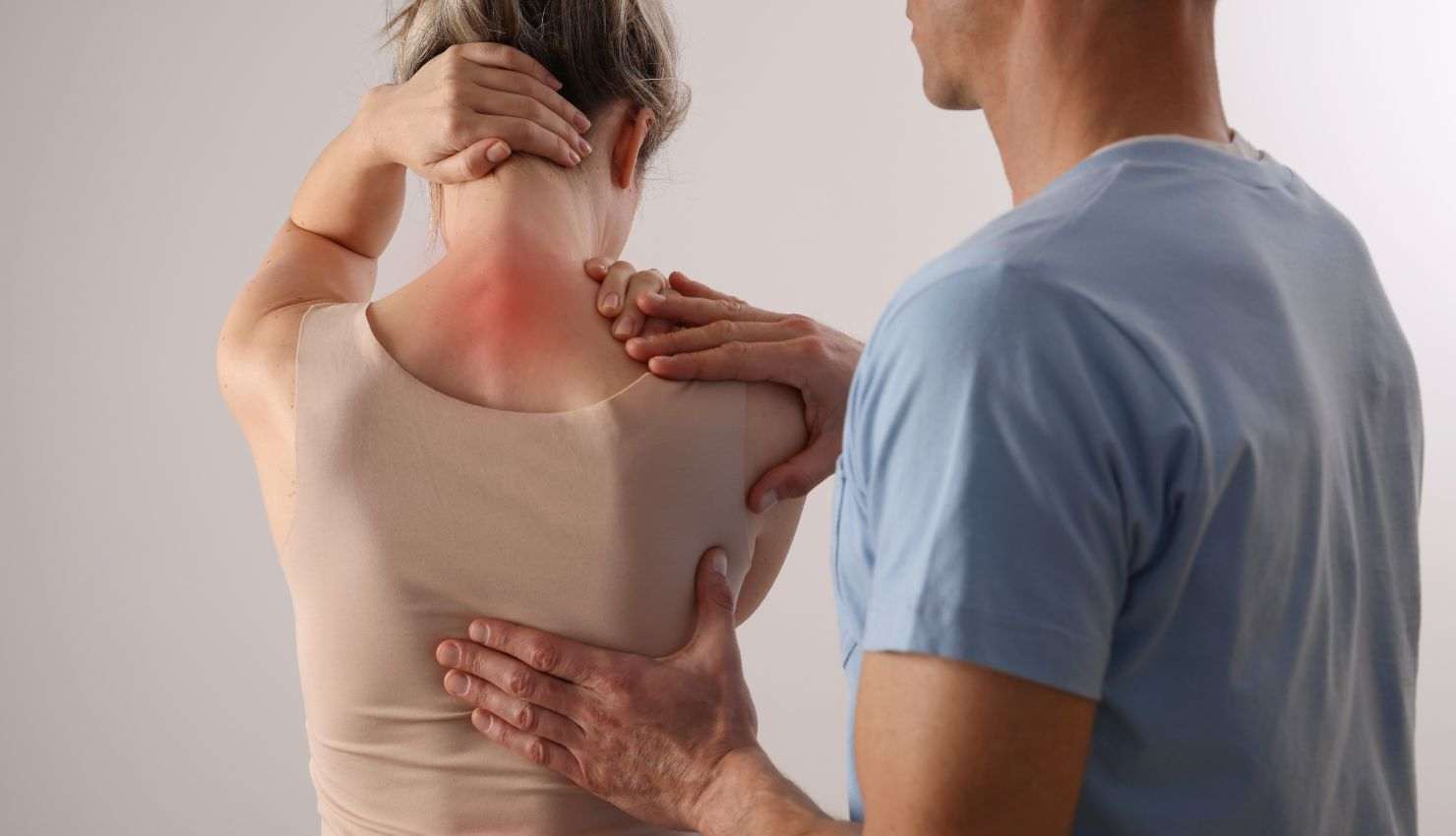
Spinal injuries can be life-altering, affecting your mobility, comfort, and overall well-being. Whether caused by trauma, accidents, or degenerative conditions, spinal injuries require specialized care to heal properly. At YourFormsUX, physiotherapy plays a crucial role in the recovery and rehabilitation process, especially when it comes to rebuilding core strength and spinal stability.
Understanding Spinal Injuries
Spinal injuries range from mild strains and sprains to more serious conditions like herniated discs, fractures, or nerve compression. These injuries often cause pain, stiffness, muscle weakness, and limited range of motion. Because the spine is the central support of your body, injuries here can disrupt your entire musculoskeletal system.
Rehabilitation focuses on restoring function, reducing pain, and preventing further damage. Core rehabilitation is particularly important because the core muscles support the spine, improve posture, and help you move safely.
Why Core Rehabilitation is Vital After a Spinal Injury
The core musclescomprising the deep abdominal muscles, pelvic floor, and lower back musclesact like a natural corset around your spine. After a spinal injury, these muscles often weaken due to pain, disuse, or altered movement patterns.
Weak core muscles mean the spine has less support, which can delay healing or even cause further injury. Core rehabilitation:
Stabilizes the spine to protect injured areas.
Restores muscle strength and endurance.
Improves posture and movement mechanics.
Reduces compensatory strain on other muscles and joints.
How Physiotherapy Supports Spinal Injury Recovery
Physiotherapy is a cornerstone of spinal injury rehabilitation because it combines hands-on care with personalized exercise programs. At YourFormsUX, physiotherapists use a blend of techniques to help patients regain strength and function:
Manual Therapy: Techniques like joint mobilizations and soft tissue massage to relieve pain and improve mobility.
Pain Management: Modalities such as heat, cold, ultrasound, or electrical stimulation to reduce inflammation and discomfort.
Core Strengthening Exercises: Carefully progressed routines targeting deep core muscles to restore stability.
Postural Training: Education and exercises that encourage correct alignment and movement habits.
Functional Rehabilitation: Activities that mimic daily tasks to ensure you regain confidence and independence.
Benefits of Physiotherapy and Core Rehab
The benefits of combining physiotherapy with core rehabilitation after a spinal injury are significant:
Faster recovery times.
Reduced pain and inflammation.
Improved spinal stability and muscle balance.
Prevention of future injuries.
Enhanced mobility and quality of life.
Tailoring Rehabilitation to You
Every spinal injury is unique, so YourFormsUX physiotherapists develop personalized treatment plans. Your recovery goals, injury severity, and lifestyle are all considered to ensure the most effective approach. Whether youre recovering from a sports injury, a fall, or a chronic spinal condition, physiotherapy combined with core rehabilitation offers a path to renewed strength and function.