How Physiotherapy Helps Rehabilitate Spinal Disc Issues with Core Work explores targeted strategies for recovery. Discover new paths to mobility, healing, and personalized care.

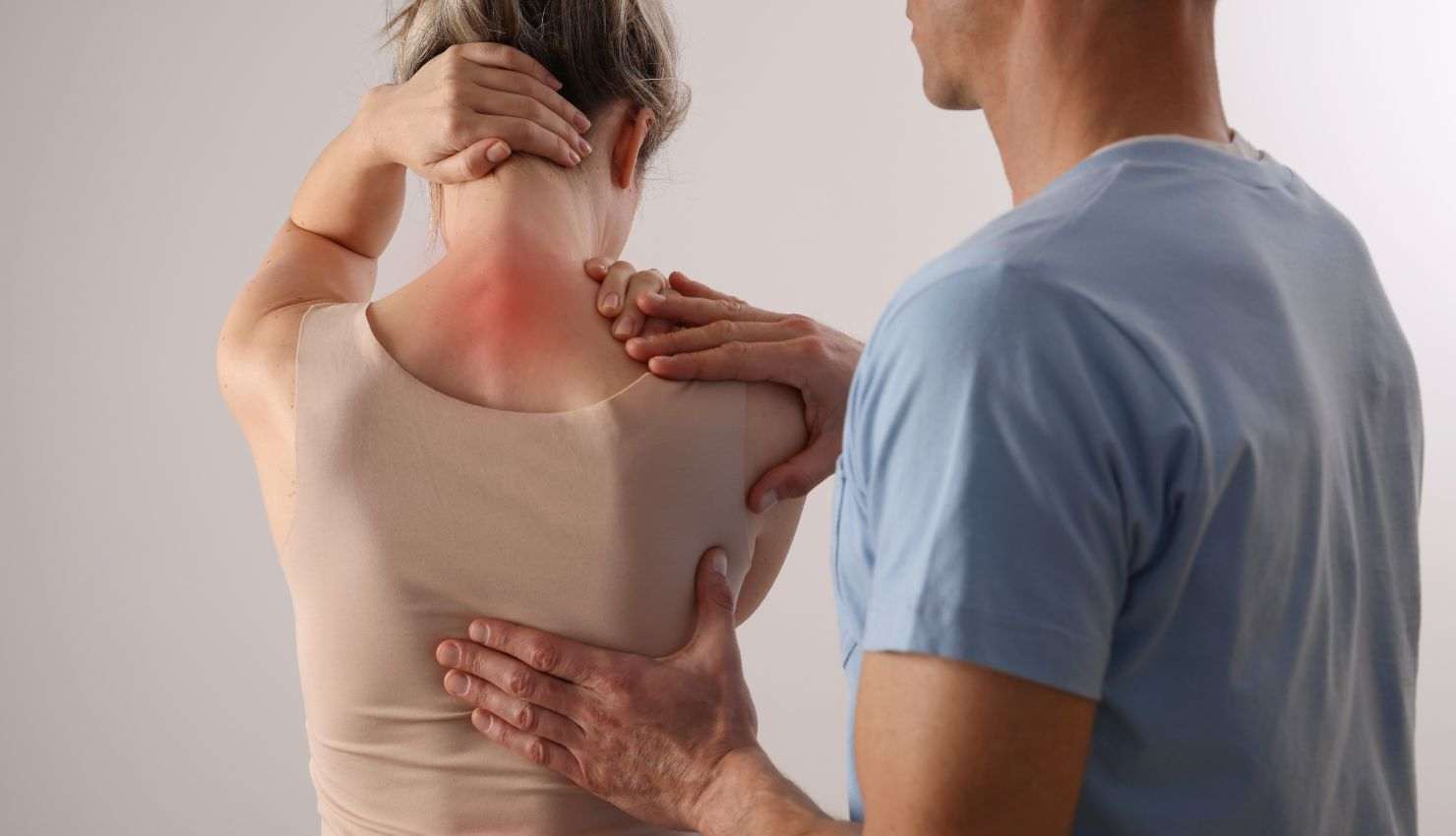
Spinal disc problems, such as herniated or bulging discs, are a common source of back pain and discomfort. These issues often arise from injury, poor posture, or degenerative changes in the spine. While they can be painful and limit mobility, physiotherapy offers effective solutionsespecially when combined with core strengthening exercises. In this blog, well explore how physiotherapy uses targeted core work to rehabilitate spinal disc issues and restore spinal health.
What Are Spinal Disc Issues?
The spine is made up of vertebrae separated by intervertebral discs, which act as cushions absorbing shocks and allowing flexibility. When a disc becomes damaged or displaced, it can compress nearby nerves, causing pain, numbness, or weakness. Conditions like herniated discs, degenerative disc disease, or slipped discs can affect anyone, often resulting in limited movement and chronic discomfort.
The Connection Between Core Strength and Disc Health
The muscles in your core play a crucial role in stabilizing the spine and maintaining proper posture. Weak core muscles place additional strain on the spinal discs, exacerbating disc issues. Conversely, a strong core supports the spine, reduces pressure on discs, and promotes proper alignment.
This is why core strengthening exercises are integral to managing and rehabilitating spinal disc problems. Strengthening deep core muscles, such as the transverse abdominis and multifidus, helps create a stable environment for spinal discs to heal and function optimally.
How Physiotherapy Addresses Spinal Disc Problems
Physiotherapy offers a structured approach to spinal disc rehabilitation, focusing on reducing pain, restoring mobility, and improving function. Physiotherapists assess your specific condition and design individualized programs centered on core rehabilitation.
Pain Management: Initially, physiotherapy may involve techniques like manual therapy, electrotherapy, and gentle stretches to reduce inflammation and pain around the affected disc.
Core Strengthening: As pain subsides, therapists introduce core strengthening exercises that target deep stabilizing muscles. These exercises are carefully progressed to avoid further disc irritation while gradually improving spinal support.
Posture Correction: Poor posture often contributes to disc problems. Physiotherapists work with patients to correct posture through education, ergonomic advice, and exercises that promote spinal alignment.
Functional Training: Physiotherapy also focuses on retraining movements and daily activities to prevent re-injury. This involves core stabilization during lifting, bending, and other motions that impact the spine.
Core Exercises Commonly Used in Rehabilitation
Several core exercises are particularly beneficial for spinal disc rehabilitation, including:
Pelvic Tilts: These increase lumbar mobility and activate lower abdominal muscles gently.
Bridges: Strengthen gluteal muscles and lower back, offering support to the lumbar spine.
Bird-Dogs: Improve coordination and stability by engaging the core and back simultaneously.
Modified Planks: Target deep core muscles with reduced spinal load.
Physiotherapists tailor these exercises based on pain levels and functional ability, ensuring safe and effective progression.
Why Core Rehab Is Essential for Long-Term Recovery
Without a strong core, spinal discs remain vulnerable to recurring injuries. Core rehabilitation not only alleviates current symptoms but also builds resilience against future disc problems. Strengthening core muscles enhances shock absorption and distributes mechanical forces more evenly throughout the spine.
Moreover, improved core stability positively impacts posture, reducing the likelihood of abnormal spinal stresses that contribute to disc degeneration.
The Holistic Physiotherapy Approach
Physiotherapy is more than just exercise. It incorporates comprehensive strategies that address the root causes of spinal disc issues. This may include:
Lifestyle and activity modifications
Advice on proper body mechanics
Breathing techniques that support core engagement
Gradual return-to-activity programs
This holistic approach ensures that patients regain spinal health safely and sustainably.
When to Seek Physiotherapy for Spinal Disc Issues
If you experience persistent back pain, numbness, or weakness related to spinal discs, early physiotherapy intervention can make a significant difference. Timely core rehabilitation helps prevent symptoms from worsening and promotes quicker recovery.
Final Thoughts
Spinal disc problems can be debilitating, but with the right care, you can restore function and reduce pain. Physiotherapy, combined with targeted core strengthening, offers a powerful solution by stabilizing the spine, improving posture, and supporting disc healing.
For expert physiotherapy care tailored to your spinal disc condition, reach out to Your Forms UX in Canada. Their dedicated team will guide you through personalized core rehabilitation programs designed to get you back to a pain-free, active life.