How Physiotherapy Helps Treat Slipped Discs with Core Rehab explores targeted strategies for recovery. Discover new paths to mobility, healing, and personalized care.

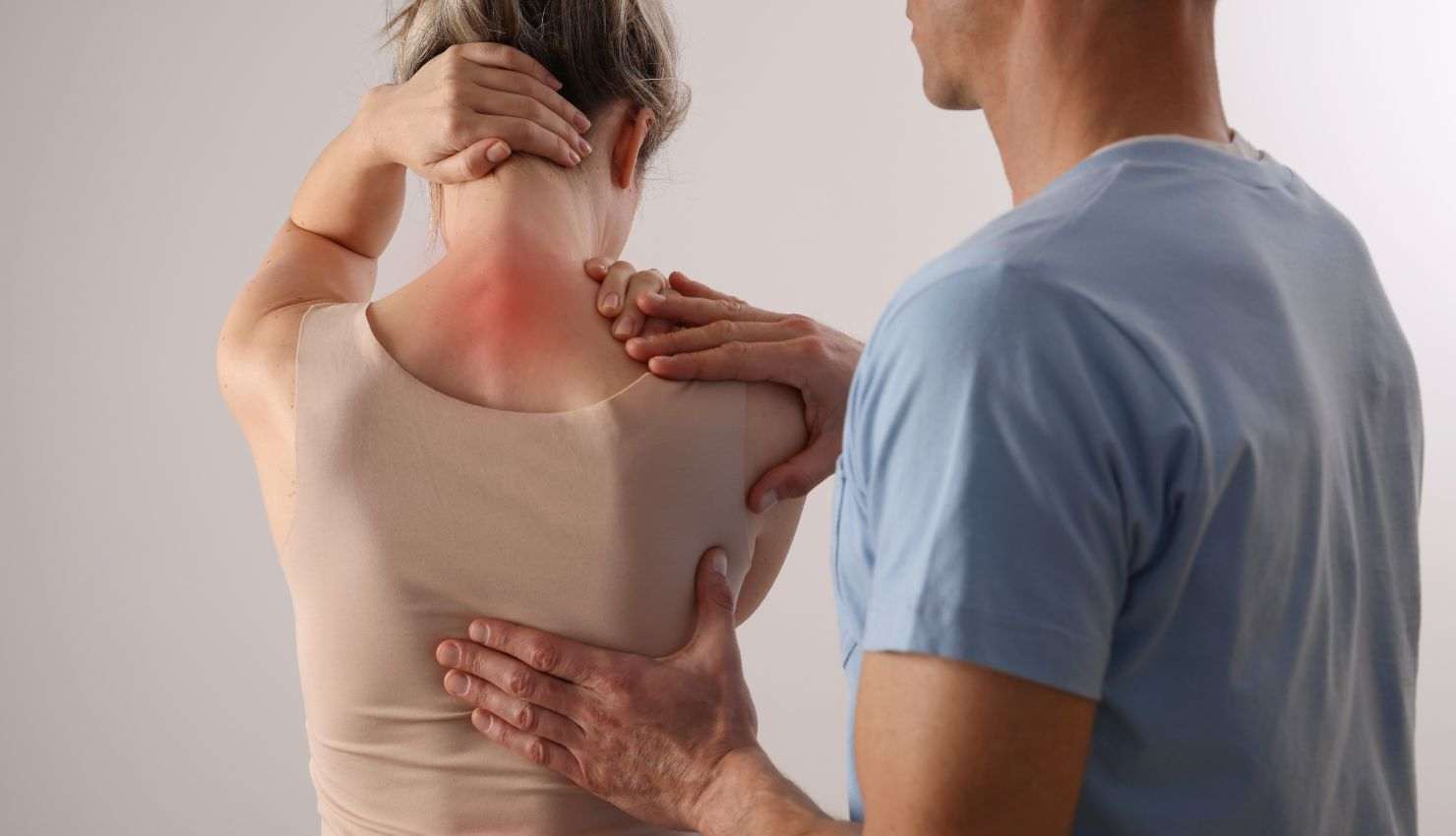
Slipped discs, also known as herniated or prolapsed discs, are a painful and often debilitating condition affecting the spine. When a disc slips or herniates, it can press on nearby nerves, causing sharp pain, numbness, and weakness. While the condition may sound alarming, physiotherapy offers effective treatment options, especially through core rehabilitation exercises. In this blog, well discuss how physiotherapy and core rehab work together to treat slipped discs, alleviate pain, and restore spinal function.
What Is a Slipped Disc?
A slipped disc occurs when the soft inner gel of an intervertebral disc pushes through the tough outer layer. This herniation can irritate or compress spinal nerves, leading to symptoms like sciatica, back pain, or tingling sensations down the arms or legs.
Slipped discs are often caused by sudden injury, repetitive strain, or degenerative changes in the spine. Poor posture and weak core muscles can increase the risk by failing to provide adequate spinal support.
Why Core Rehab Is Crucial for Slipped Disc Recovery
The spine relies heavily on the core muscles to maintain stability and proper alignment. When the core is weak, the spine becomes vulnerable to excessive movement and abnormal stresses, which can worsen disc herniation or delay healing.
Core rehabilitation focuses on strengthening the deep stabilizing muscles that act as a natural brace for the spine. By improving core strength and coordination, physiotherapy helps reduce the pressure on the affected disc and nerves, facilitating pain relief and functional recovery.
How Physiotherapy Addresses Slipped Discs
Physiotherapy treatment for slipped discs generally follows a phased approach:
Pain Relief and Inflammation Control: Initially, therapists use gentle techniques such as manual therapy, ice, heat, and electrical stimulation to reduce pain and inflammation.
Core Muscle Activation: Once pain is manageable, therapists guide patients through exercises that activate and strengthen core muscles without straining the spine.
Progressive Strengthening: As core stability improves, exercises become more challenging to build endurance and support for daily activities.
Posture and Movement Training: Physiotherapists teach proper body mechanics and posture to avoid movements that exacerbate disc symptoms.
Functional Rehabilitation: Therapy includes retraining movements like bending, lifting, and walking to restore normal function.
Core Exercises for Slipped Disc Rehab
Effective core exercises for slipped disc patients are designed to be low-impact and focus on muscle control. These include:
Pelvic Tilts: Gently mobilize the lumbar spine and engage lower abdominals.
Modified Planks: Build core endurance with minimal spinal load.
Bird-Dogs: Enhance coordination between the core and back muscles.
Bridges: Strengthen glutes and lower back for better lumbar support.
Physiotherapists adjust the exercise program based on pain levels and recovery progress.
Benefits of Core Rehab for Slipped Discs
Reduced Nerve Compression: Strengthened core muscles help stabilize the spine, reducing disc pressure on nerves.
Pain Reduction: Improved spinal support eases discomfort and allows better movement.
Improved Posture: Core rehab encourages correct alignment, preventing further disc strain.
Enhanced Mobility: Patients regain flexibility and function in daily activities.
Prevention of Recurrence: A strong core reduces the risk of future slipped discs.
When to Seek Physiotherapy for a Slipped Disc
If you experience symptoms like sharp back pain, radiating leg or arm pain, numbness, or weakness, its important to seek medical advice. Early physiotherapy intervention can prevent worsening and speed recovery.
Final Thoughts
Slipped discs can significantly impact your quality of life, but with proper care and core rehabilitation, recovery is achievable. Physiotherapy offers a safe, structured approach that addresses pain while building the strength needed to protect your spine long-term.
For professional physiotherapy and personalized core rehab programs for slipped disc treatment, contact Your Forms UX in Canada. Their expert team will help guide you toward pain relief and spinal health.