Restoring Flexibility and Strength to Your Spine with Core Rehab explores targeted strategies for recovery. Discover new paths to mobility, healing, and personalized care.

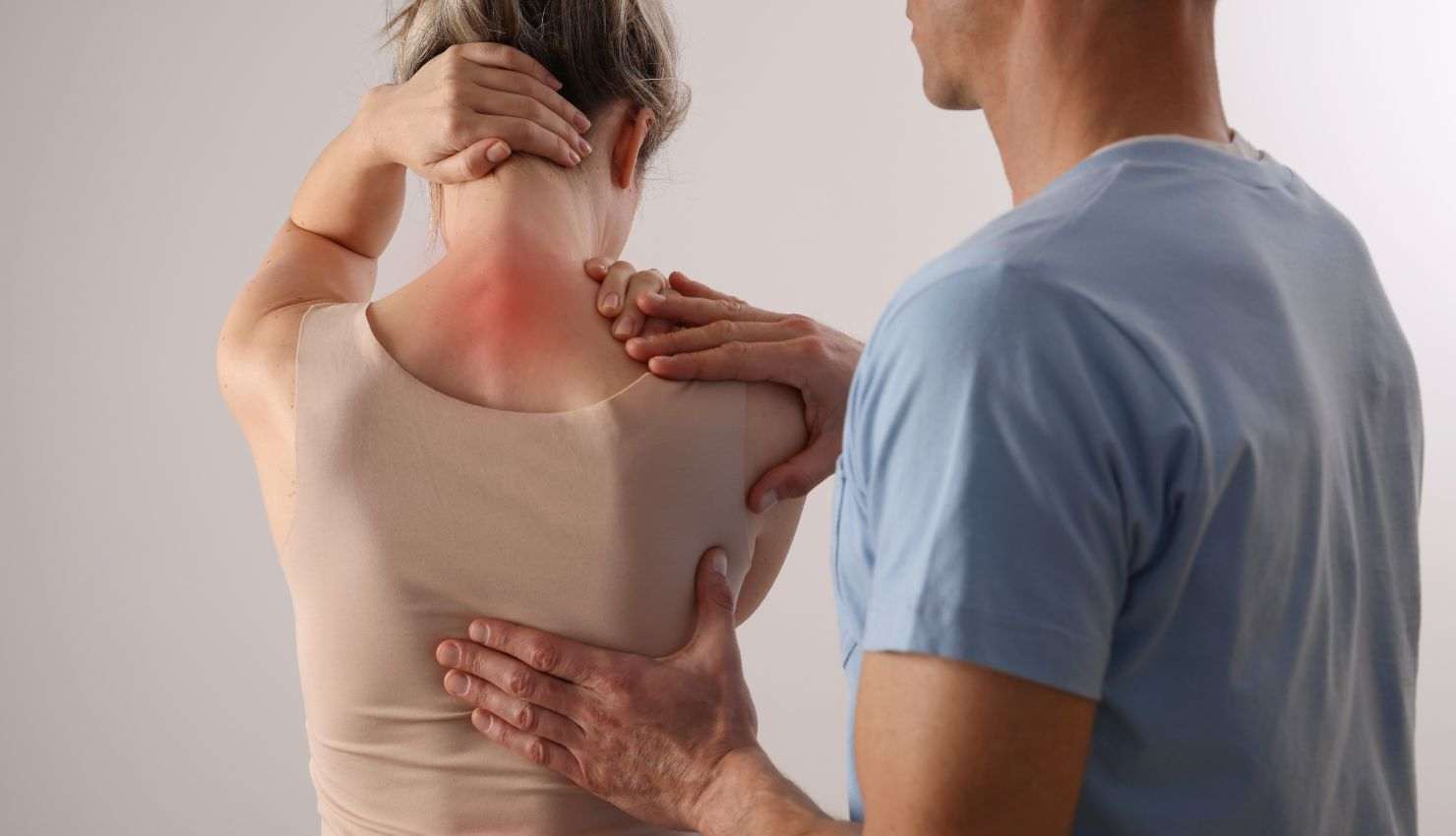
Your spine is the backbone of your bodyliterally. It supports your entire structure, allowing you to move freely, stay upright, and perform daily activities without pain or stiffness. However, due to poor posture, injury, or aging, many people experience a loss of spinal flexibility and strength, which can lead to chronic pain and mobility issues. This is where core rehabilitation (core rehab) steps in as a game-changer, helping restore flexibility and strength to your spine through targeted exercises and physiotherapy techniques.
Why Core Strength Matters for Spinal Health
Core muscles include not only the abdominal muscles but also muscles around your pelvis, lower back, and hips. These muscles act like a natural brace for your spine, stabilizing it during movement and helping to maintain proper alignment. When your core is weak, your spine becomes vulnerable to injury, misalignment, and chronic conditions such as herniated discs, sciatica, and spinal stenosis.
Strengthening your core through rehab exercises helps redistribute pressure on your spine, reduces strain on ligaments and discs, and ultimately enhances your spinal flexibility and strength. This holistic approach promotes better posture, reduces pain, and improves overall function.
How Core Rehab Works to Restore Spinal Flexibility
Core rehab isnt just about doing crunches or sit-ups; it involves a series of physiotherapy-guided exercises that target deep stabilizing muscles that are often overlooked. These exercises focus on:
Improving muscle activation: Many people with spinal issues have difficulty activating core muscles properly. Rehab teaches you how to engage these muscles effectively.
Increasing flexibility: Stretching tight muscles around your hips and lower back helps improve spinal mobility.
Enhancing endurance: Core rehab builds the ability of muscles to support your spine over longer periods without fatigue.
Correcting posture and alignment: Through movement retraining, your body relearns how to maintain optimal spinal alignment during activities.
Physiotherapists tailor these exercises to your unique condition and progress gradually, ensuring you build strength safely without exacerbating your symptoms.
Benefits of Core Rehab for Your Spine
Pain Relief: Many spinal problems stem from weak core muscles that fail to support the spine adequately. Strengthening these muscles often leads to significant pain reduction.
Improved Mobility: Restoring spinal flexibility helps you move more freely, reducing stiffness and improving your quality of life.
Prevention of Future Injuries: A strong core protects your spine against sudden injuries by providing a solid support system.
Better Posture: Core rehab can correct postural imbalances that cause chronic strain and discomfort.
Enhanced Functional Performance: Everyday activities like bending, lifting, and twisting become easier and safer.
Core Rehab Techniques Commonly Used
Your physiotherapist at YFS (Your Forms UX) in Canada will likely incorporate a blend of these techniques:
Pelvic Tilts and Bridges: Basic exercises that activate the deep stabilizers in your lower back and hips.
Planks and Side Planks: Isometric holds that challenge your core endurance.
Controlled Breathing Exercises: To improve muscle activation and reduce tension.
Dynamic Stability Drills: Balance and coordination exercises that enhance spinal control.
Stretching and Mobilization: Targeting tight hip flexors, hamstrings, and spinal joints to increase flexibility.
These are just a few examples, and your rehab plan will be customized based on your assessment and goals.
When Should You Consider Core Rehab for Your Spine?
If you are experiencing any of the following symptoms, core rehab could be the solution to restore your spinal health:
Persistent lower back pain or stiffness
Reduced spinal mobility or flexibility
Postural imbalances such as rounded shoulders or forward head posture
Previous spinal injury or surgery requiring rehabilitation
Chronic conditions like degenerative disc disease or spinal stenosis
Weakness or instability during physical activities
Early intervention with core rehab often prevents these issues from worsening and can help avoid surgery or long-term disability.
Tips to Maximize the Benefits of Core Rehab
Consistency is Key: Follow your physiotherapists exercise plan regularly for the best results.
Focus on Form: Proper technique prevents injury and ensures muscles are targeted effectively.
Stay Patient: Building core strength and restoring spinal flexibility takes time, but progress will come.
Incorporate Healthy Habits: Maintain good posture throughout the day, stay active, and practice ergonomics at work and home.
Communicate with Your Therapist: Keep them informed about your pain levels and progress so your program can be adjusted as needed.
Why Choose YFS for Your Core Rehab Needs?
At Your Forms UX (YFS) in Canada, the focus is on personalized, evidence-based physiotherapy that addresses the root causes of your spinal problems. Our expert therapists use the latest core rehab techniques combined with state-of-the-art assessments to create a tailored plan that restores your spines strength and flexibility safely and effectively.
Whether youre recovering from an injury, managing chronic pain, or simply want to improve your spinal health, YFS provides a supportive environment where your recovery is our priority.
Core rehab is a powerful way to take control of your spinal health, reduce pain, and regain the flexibility and strength you need to live an active, pain-free life. If youre ready to start your journey towards a healthier spine, YFS is here to guide you every step of the way.