The Role of Core Rehab in Preventing and Treating Spinal Conditions explores targeted strategies for recovery. Discover new paths to mobility, healing, and personalized care.

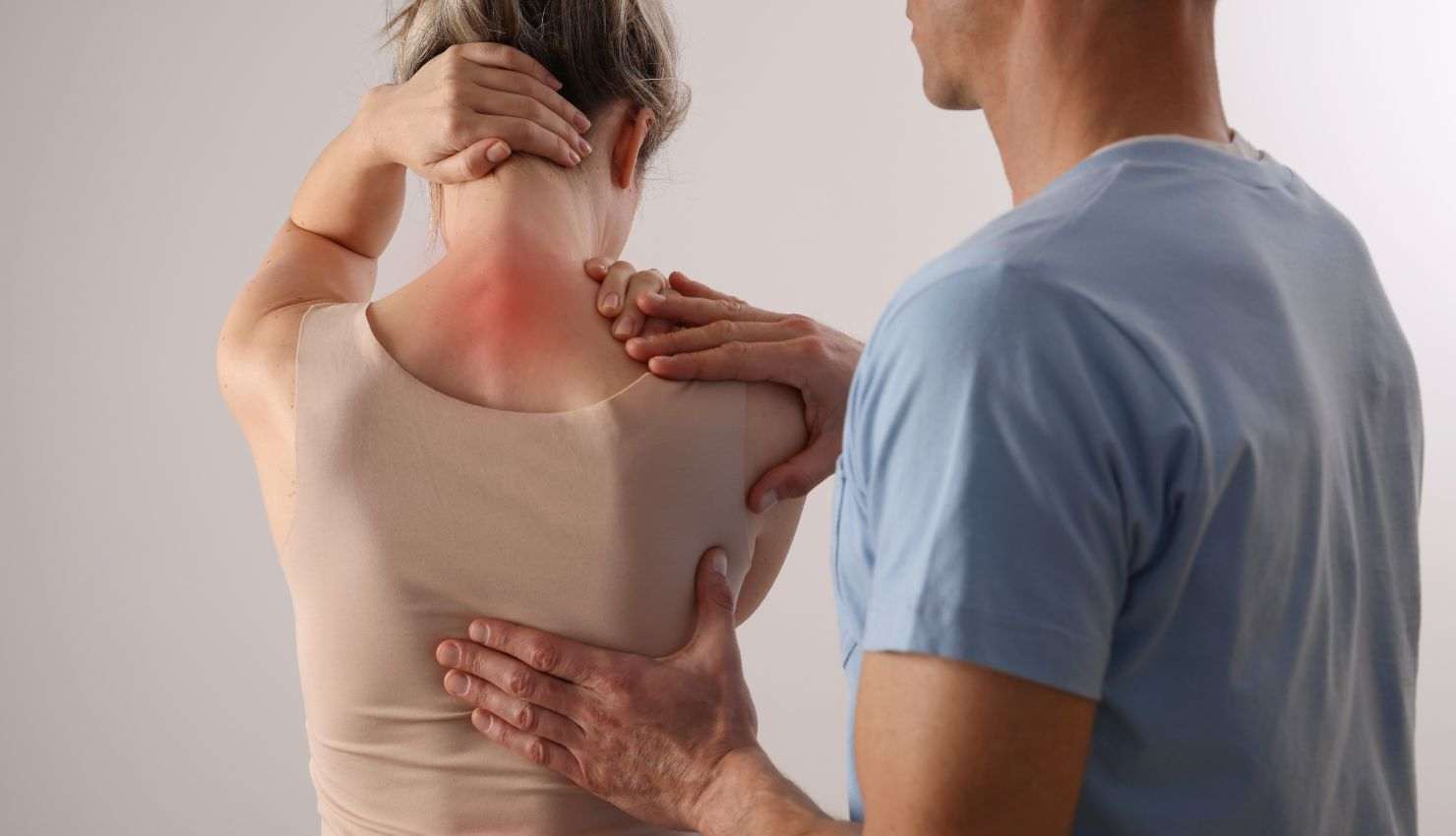
The spine is central to our daily function, but it is also vulnerable to a variety of conditions that can cause pain and limit mobility. Many spinal problemsranging from chronic back pain to degenerative diseasescan be prevented or managed effectively through targeted core rehabilitation. At YourFormsUX, Canada, we emphasize core rehab as a key strategy for both preventing and treating spinal conditions, helping patients regain strength and function.
Why Core Rehab is Essential for Spine Health
The core muscles stabilize and support the spine, controlling movement and distributing loads evenly. When the core is weak or dysfunctional, the spine loses stability, leading to abnormal movement patterns and increased stress on spinal joints and discs.
This instability can contribute to several spinal conditions such as:
Herniated discs
Degenerative disc disease
Spinal stenosis
Chronic lower back pain
Postural abnormalities
Core rehabilitation targets these problems by restoring muscle strength, endurance, and coordination.
How Core Rehab Prevents Spinal Conditions
Prevention is always better than cure. Core rehab builds a strong muscular foundation that protects the spine from excessive strain. Strengthening the core helps maintain proper posture and spinal alignment, reducing the risk of injury from everyday activities like lifting, bending, or prolonged sitting.
A robust core also absorbs shocks and stabilizes the spine during dynamic movements, which is critical for people with active lifestyles or physically demanding jobs.
Treating Spinal Conditions Through Core Rehab
For those already experiencing spinal issues, core rehabilitation is a cornerstone of conservative treatment. Physiotherapists at YourFormsUX design individualized programs that:
Focus on activating deep stabilizing muscles
Address muscle imbalances and weaknesses
Improve spinal flexibility and mobility
Educate patients on posture and movement strategies
These programs help reduce pain, improve function, and may decrease the need for invasive treatments or surgery.
Key Components of Core Rehab Programs
Assessment and Diagnosis
A comprehensive evaluation identifies the underlying causes of spinal dysfunction and core weakness.
Targeted Exercises
Exercises such as pelvic tilts, planks, and bird-dogs activate and strengthen core muscles essential for spine support.
Functional Training
Incorporating core engagement into everyday tasks ensures that strength gains translate into practical improvements.
Progressive Challenge
As strength improves, exercises are made more challenging to enhance endurance and muscle coordination.
Benefits of Core Rehab in Spinal Health
Pain Relief: Reduced mechanical stress on spinal structures alleviates discomfort.
Improved Posture: Better alignment lowers the risk of further spinal deterioration.
Enhanced Mobility: Strength and flexibility improvements facilitate daily activities.
Injury Prevention: A strong core protects the spine from future injuries.
Long-Term Spine Health: Regular core rehab supports ongoing spinal integrity.
YourFormsUXs Commitment to Core Rehab Excellence
At YourFormsUX, Canada, our physiotherapists combine clinical expertise with personalized care to deliver effective core rehabilitation programs. We work closely with you to set realistic goals and provide the support you need throughout your recovery or prevention journey.
Final Thoughts
Core rehabilitation is more than just exerciseits a vital therapeutic approach to preventing and treating spinal conditions. Whether youre managing chronic back pain or aiming to protect your spine from future problems, strengthening your core with physiotherapy at YourFormsUX can make a profound difference.