How Physiotherapy Helps Stabilize the Core and Improve Spine Health explores targeted strategies for recovery. Discover new paths to mobility, healing, and personalized care.

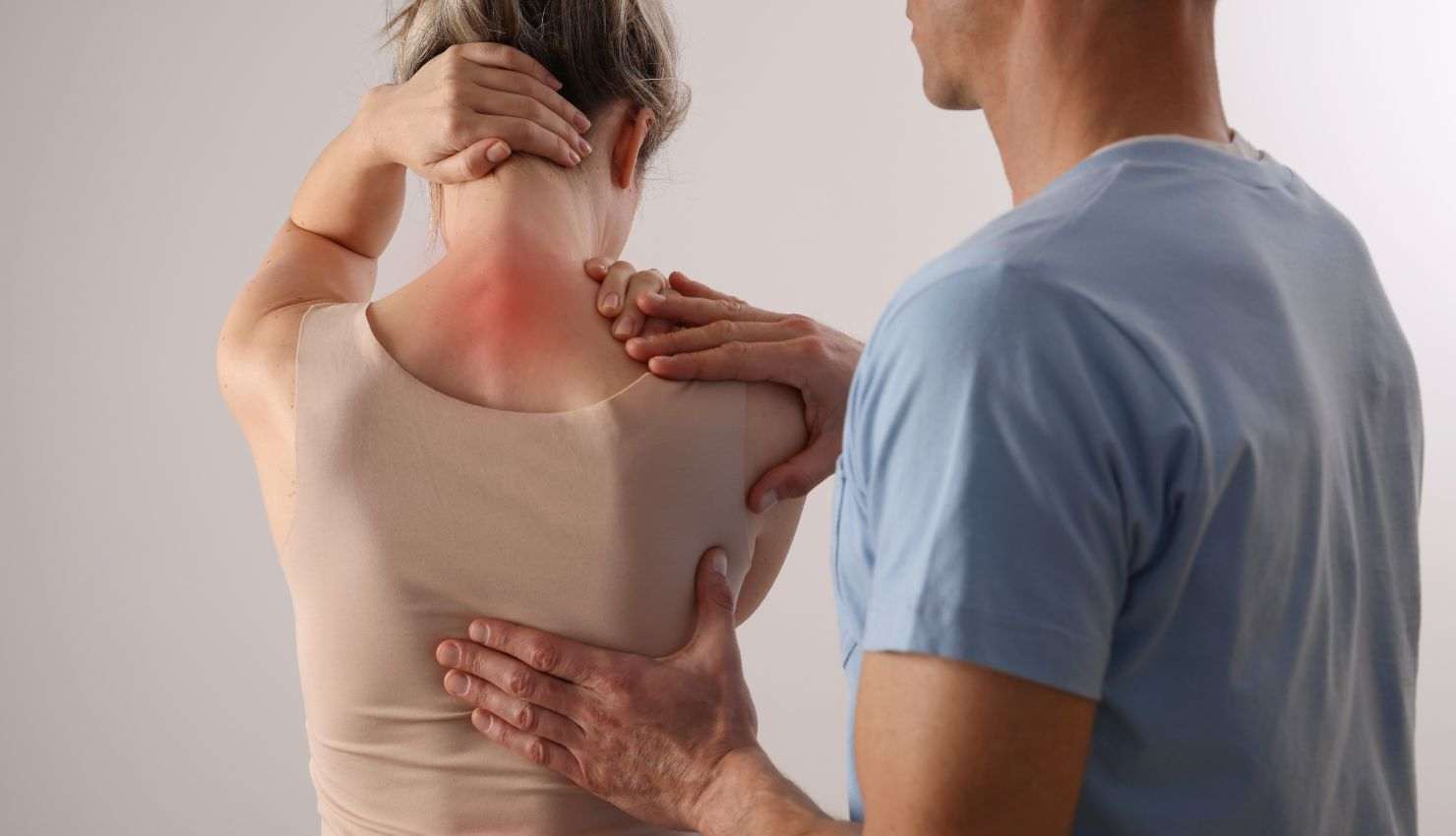
Your spine is central to everything you dofrom standing and walking to bending and lifting. Keeping it healthy and pain-free is essential, and one of the best ways to achieve this is by stabilizing your core muscles. Physiotherapy offers a specialized approach to strengthening and stabilizing your core, which in turn supports spinal health and reduces the risk of pain and injury.
In this blog, well explore how physiotherapy stabilizes your core, the benefits for spine health, and why YourFormsUX in Canada is the ideal partner for your rehabilitation journey.
Understanding Core Stability and Its Impact on Spine Health
Core stability refers to the ability of your core muscles to support and control the spine during movement. These muscles include the deep abdominal muscles, pelvic floor, diaphragm, and muscles along the spine.
When core stability is compromiseddue to weakness, injury, or poor movement patternsyour spine can become unstable. This instability places additional stress on spinal joints, discs, and muscles, often leading to pain, decreased mobility, and an increased risk of injury.
How Physiotherapy Enhances Core Stability
Physiotherapists at YourFormsUX begin with a thorough assessment to understand your spinal health and core function. They evaluate:
Muscle strength and endurance
Posture and spinal alignment
Movement patterns and biomechanics
Areas of pain or restriction
Based on this, they create a customized plan focused on:
Activating and strengthening deep core muscles
Improving coordination between the core and other muscle groups
Teaching proper movement and posture techniques
Gradually progressing exercises to build endurance and control
Core Stabilization Exercises in Physiotherapy
The exercises used in physiotherapy aim to target both the superficial and deep core muscles, focusing on control and endurance rather than just raw strength. Common exercises include:
Transverse Abdominis Activation: Learning to engage this deep abdominal muscle to support spinal stability.
Pelvic Floor Exercises: Strengthening muscles that support the pelvis and lower spine.
Modified Planks: Holding controlled positions that engage multiple core muscles.
Bird-Dog: Enhances spinal alignment and core control.
Bridges: Strengthens gluteal muscles that support pelvic stability.
Each exercise is performed with careful attention to technique, minimizing the risk of aggravating spinal pain.
Benefits of Core Stabilization for Spine Health
Pain Reduction
Improved core stability decreases abnormal spinal movements, reducing pain caused by strain and overuse.
Enhanced Posture and Alignment
A stable core supports proper posture, preventing deformities and wear on spinal structures.
Increased Functional Ability
With better control over your spine, everyday activities become easier and less painful.
Injury Prevention
Core stability acts as a protective mechanism, reducing the risk of acute injuries and chronic conditions.
Improved Quality of Life
Reduced pain and better movement promote greater independence and enjoyment of daily activities.
Why Choose Physiotherapy for Core Stabilization?
Self-guided exercise may seem convenient, but physiotherapy provides essential benefits:
Expert assessment ensures you target the right muscles.
Personalized progression keeps exercises effective and safe.
Hands-on guidance corrects form and prevents injury.
Education helps you understand your body and maintain improvements long-term.
At YourFormsUX, our physiotherapists in Canada specialize in spinal health and core stabilization, offering programs tailored to your needs.
Supporting Core Stability in Daily Life
Beyond physiotherapy sessions, you can support your core stability by:
Maintaining an active lifestyle with regular, balanced exercise.
Practicing good posture, especially when sitting or lifting.
Avoiding prolonged static positions; take movement breaks.
Using ergonomic furniture to support your spine.
Staying hydrated and eating a balanced diet for muscle health.
Conclusion: Stabilize Your Core, Strengthen Your Spine
Core stabilization is a cornerstone of spinal health and pain management. Physiotherapy provides the expertise and guidance necessary to strengthen your core safely and effectively, improving your spines stability and reducing the risk of pain and injury.
If youre experiencing spinal discomfort or want to improve your core strength, YourFormsUX in Canada offers specialized physiotherapy programs to help you stabilize your core and support a healthy, resilient spine.