How Physiotherapy Treats Spinal Pain with Core Rehab explores targeted strategies for recovery. Discover new paths to mobility, healing, and personalized care.

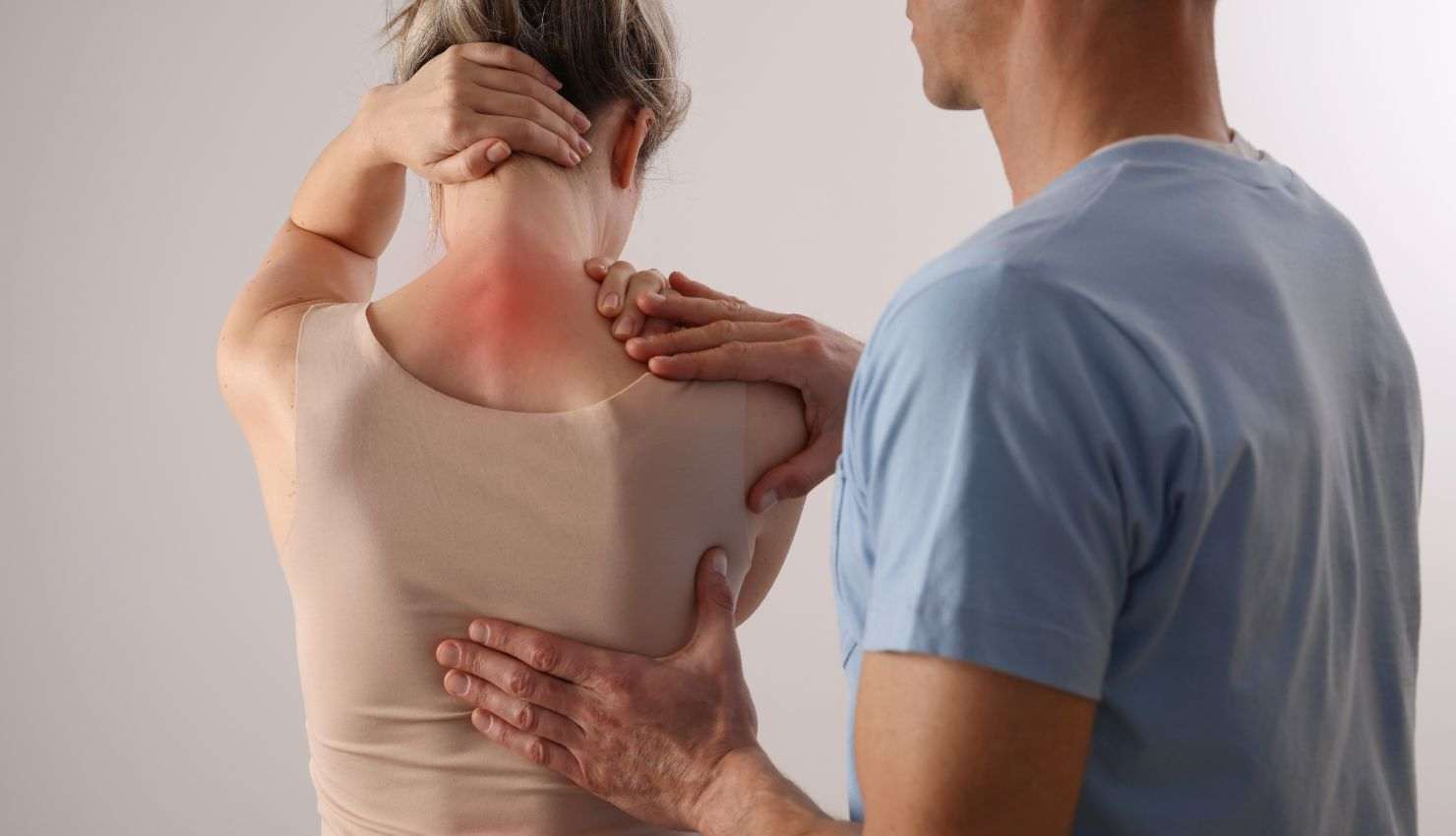
When you think of spinal pain, you might immediately picture sore muscles or disc issuesbut whats often overlooked is that a weak or inactive core is a major contributor.
Your core isn’t just your six-pack muscles. Its a deep, interconnected group of muscleslike the transverse abdominis, pelvic floor, diaphragm, and multifidusthat wrap around and stabilize your spine. When these muscles arent functioning properly, your spine is left unsupported, making it more vulnerable to:
Lumbar strain
Herniated discs
Sciatica
Postural misalignment
Chronic pain
This is where physiotherapy steps in, offering not just relief, but real rehab.
?? Step-by-Step: How Physiotherapy Uses Core Rehab to Treat Spinal Pain
1. Initial Assessment: Finding the Source
Every journey starts with a deep dive into your:
Pain triggers and movement habits
Posture and gait
Core engagement (or lack of it)
Spine alignment and flexibility
Your physio identifies the why behind your painbecause core rehab isnt one-size-fits-all.
2. Pain Management Comes First
Before jumping into exercises, physiotherapists help reduce pain and inflammation using techniques like:
Manual therapy
Dry needling or trigger point release
Heat/cold therapy
TENS (electrical stimulation)
Gentle mobilizations
Once your pain is under control, its time to get those core muscles working.
3. Core Activation Training
This is the heart of core rehaband it starts with the deep stabilizers:
Transverse abdominis: your natural back brace
Multifidus: tiny muscles that control spinal motion
Pelvic floor & diaphragm: for pressure regulation and support
Common physio-led exercises include:
Abdominal bracing (engaging the core while maintaining a neutral spine)
Pelvic tilts to promote movement and muscle activation
Dead bug variations for control and coordination
Bird dog for spinal alignment
Bridge progressions for glute and core synergy
These exercises are designed to be spine-friendly, pain-free, and progress at your own pace.
4. Movement Re-Education
Core rehab also teaches you how to move correctly in everyday life:
Sitting, standing, bending, and lifting without loading the spine
Using your core to support your spine during work, walking, and sleep
Rebuilding movement habits that reduce recurring pain
This is the difference between just getting better and staying better.
5. Functional Strength & Long-Term Maintenance
As pain decreases and your core strengthens, physios ramp up your rehab to include:
Resistance and dynamic core training
Postural strengthening (including glutes, hips, and upper back)
Balance and proprioception work
Return-to-sport or return-to-work programs
The goal? A spine thats not just pain-freebut ready for anything.
?? The Benefits of Core Rehab for Spinal Pain
Targets the root causenot just the symptoms
Prevents future flare-ups
Builds full-body stability and alignment
Improves daily movement and posture
Reduces reliance on medications or passive treatments
?? Final Thoughts: A Stronger Core, A Happier Spine
Physiotherapy offers a safe, guided, and proven approach to treating spinal pain through core rehabilitation. Its not about doing hundreds of crunches or sweating through intense workoutsits about waking up the right muscles, moving with intention, and giving your spine the support it needs to thrive.
If you’re dealing with back pain that just won’t quit, ask your physio about starting a core rehab program. It’s one of the most effective and empowering ways to take control of your spine healthfor good.