Understanding Hormonal Cycles and How Physiotherapy Can Help explores targeted strategies for recovery. Discover new paths to mobility, healing, and personalized care.

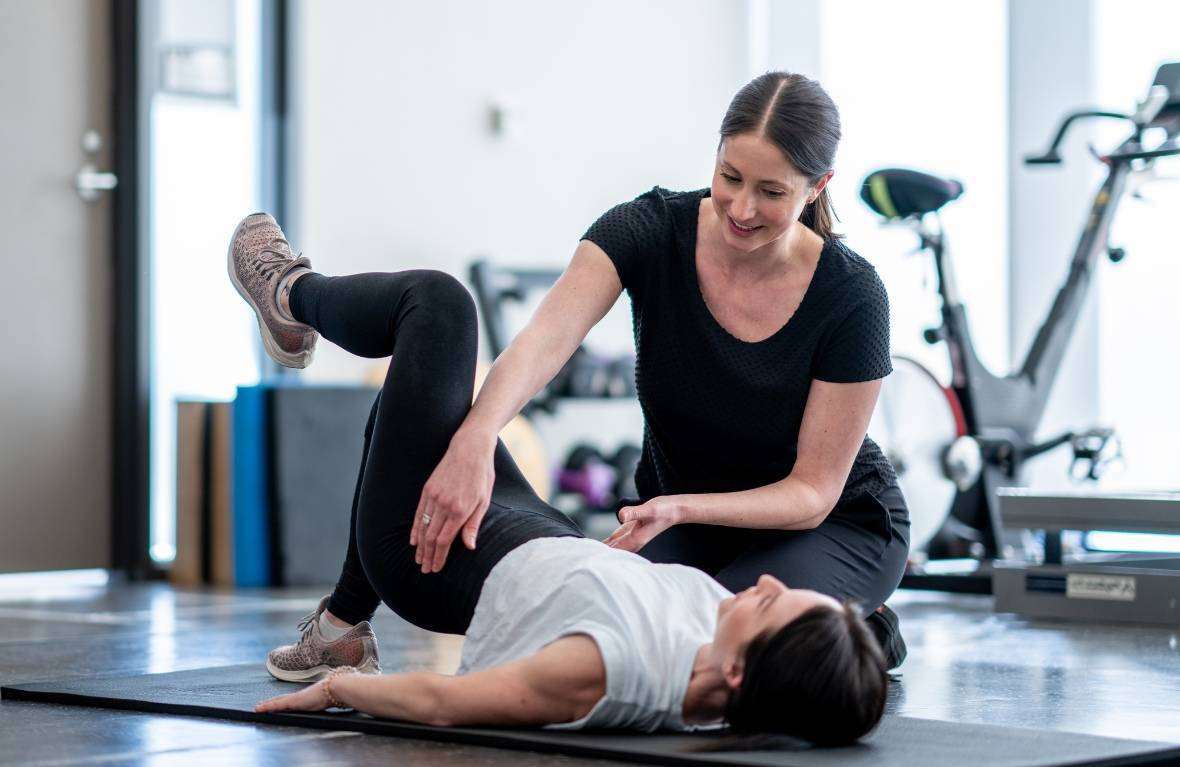
Hormonal cycles are an intricate and powerful force in the female body, influencing everything from mood and energy levels to physical performance and overall well-being. For many women, these hormonal fluctuations can sometimes bring discomfort or disrupt daily life. Thats where physiotherapy steps innot just as a treatment for injuries, but as a holistic support system that can help balance your hormonal health and improve your quality of life.
What Are Hormonal Cycles?
Hormonal cycles refer primarily to the menstrual cycle, a roughly 28-day process regulated by a complex interplay of hormones such as estrogen, progesterone, luteinizing hormone (LH), and follicle-stimulating hormone (FSH). These hormones orchestrate the phases of the cycle: the follicular phase, ovulation, the luteal phase, and menstruation.
Each phase brings about specific physiological changes:
Follicular Phase: Your body prepares an egg for ovulation, and estrogen levels rise, boosting energy and mood.
Ovulation: The release of an egg, often associated with a peak in strength and stamina.
Luteal Phase: Progesterone dominates, sometimes causing fatigue, mood swings, and physical symptoms like bloating.
Menstruation: Hormone levels drop, leading to the shedding of the uterine lining and often menstrual cramps or discomfort.
Understanding these phases can help you tune into your bodys needs and recognize when something feels off.
How Hormonal Cycles Affect Your Body
Hormones impact much more than just reproductive functions. They affect:
Muscle strength and recovery
Joint laxity and injury risk
Pain perception
Mood and cognitive function
Sleep patterns
Metabolism and appetite
For example, during the luteal phase, some women experience increased joint laxity, which can raise the risk of injury if physical activity isnt adjusted. On the other hand, the follicular phase might be the best time to push harder in your workouts due to higher energy and pain tolerance.
The Role of Physiotherapy in Hormonal Health
Physiotherapy offers targeted, evidence-based interventions that can help manage the physical symptoms associated with hormonal cycles and balance hormonal health overall. Heres how:
1. Pain Management
Menstrual cramps, pelvic pain, and lower back discomfort are common during certain phases of the cycle. Physiotherapists use techniques such as manual therapy, myofascial release, and targeted exercises to relieve pain and improve mobility. Deep breathing and relaxation techniques taught by physiotherapists can also help regulate the nervous system, reducing pain perception.
2. Improving Pelvic Floor Function
The pelvic floor muscles play a crucial role in hormonal health and menstrual well-being. Physiotherapy can strengthen or relax these muscles depending on individual needs, which helps alleviate symptoms like incontinence, pelvic pain, and menstrual discomfort.
3. Supporting Hormonal Balance Through Exercise
A personalized exercise program designed by a physiotherapist can optimize your hormonal cycle by aligning physical activity with your bodys natural rhythms. This approach can improve mood, energy levels, and recovery times.
4. Addressing Posture and Biomechanics
Hormonal changes can affect posture and muscle tone, contributing to pain or discomfort. Physiotherapy assessments help identify these issues and correct them through exercises and ergonomic advice.
5. Stress Reduction and Lifestyle Coaching
Chronic stress can wreak havoc on hormonal health. Physiotherapists often incorporate stress management strategies, including relaxation techniques and mindfulness, which can positively influence hormone regulation.
Why You Should Consider Physiotherapy for Hormonal Health
Hormonal cycles are unique to each woman, and their impact can vary widely. Whether you experience severe PMS, debilitating menstrual cramps, or simply want to optimize your health through different phases of your cycle, physiotherapy offers a personalized and proactive approach.
Instead of masking symptoms with medication alone, physiotherapy addresses the root causes, improving your bodys function and resilience. Its a natural, supportive method to enhance your hormonal health and quality of life.
What to Expect in a Physiotherapy Session Focused on Hormonal Health
When you visit a physiotherapist for hormonal health concerns, the session usually begins with a comprehensive assessment that includes:
Detailed discussion about your menstrual cycle and symptoms
Physical examination focusing on pelvic floor, posture, and biomechanics
Functional movement assessments
Development of a tailored treatment plan that may include exercises, manual therapy, and lifestyle advice
The goal is to empower you with knowledge and tools to manage symptoms and support your hormonal health long-term.
Final Thoughts
Hormonal cycles are a natural, powerful aspect of female health that deserve attention and care. Physiotherapy can be a game-changer in managing the challenges that come with these cycles, offering relief, balance, and improved well-being.
If youre ready to take control of your hormonal health, a physiotherapist can guide you through personalized strategies that work with your bodynot against it. Your journey to better hormonal health and a more vibrant life starts with understanding and support.