How to Align Your Workout with Your Menstrual Cycle for Better Results explores targeted strategies for recovery. Discover new paths to mobility, healing, and personalized care.

When it comes to fitness, one size definitely does not fit allespecially for women. Your menstrual cycle isnt just a monthly event; its a powerful rhythm that influences your energy, strength, recovery, and even motivation. Aligning your workouts with your hormonal cycle can unlock better results, reduce injury risk, and make exercise feel more enjoyable and effective.
If youve ever felt wiped out during certain times of your cycle or wondered why your performance varies, this blog is for you. Lets explore how you can harness your menstrual cycle to supercharge your workouts and enhance your fitness journey.
Understanding the Menstrual Cycle Phases and Hormones
The menstrual cycle is typically divided into four main phases, each governed by shifting hormone levels:
Menstrual Phase (Days 1-5)
Hormones like estrogen and progesterone are at their lowest. Many women experience fatigue and cramps during this time.
Follicular Phase (Days 6-14)
Estrogen levels rise steadily, boosting mood, energy, and pain tolerance. This phase leads up to ovulation.
Ovulation (Day 14)
A surge in luteinizing hormone (LH) triggers the release of an egg. Strength, stamina, and pain threshold peak.
Luteal Phase (Days 15-28)
Progesterone dominates, often causing fatigue, bloating, and increased body temperature. Some women feel more sluggish or experience mood changes.
Why Align Workouts with Your Cycle?
Your hormonal fluctuations affect muscle strength, joint stability, energy availability, and recovery. Ignoring these variations can lead to overtraining, injury, or burnout. Aligning workouts with your cycle means youre training smarter, not hardermaximizing gains when your body is ready and easing off during vulnerable phases.
Best Workout Strategies for Each Phase
Menstrual Phase: Focus on Recovery and Gentle Movement
During menstruation, its perfectly normal to feel less energetic. Opt for:
Low-impact exercises like yoga, walking, or gentle stretching
Relaxation and breathing exercises to ease cramps and tension
Avoid high-intensity or heavy lifting sessions
This phase is ideal for active recovery and listening to your body.
Follicular Phase: Build Strength and Intensity
As estrogen rises, so does your energy and ability to tolerate higher-intensity workouts. This is your window to:
Focus on strength training and resistance exercises
Incorporate cardio sessions with moderate to high intensity
Experiment with new workout routines or push personal bests
Your body is primed for performance, so capitalize on this boost.
Ovulation: Peak Performance Time
At ovulation, your strength, endurance, and pain tolerance hit their highest levels. Its a great time to:
Engage in high-intensity interval training (HIIT)
Lift heavier weights or increase training volume
Participate in competitive sports or challenging workouts
Just be mindful that increased joint laxity during ovulation might raise injury riskwarm up thoroughly and maintain good form.
Luteal Phase: Prioritize Endurance and Flexibility
Progesterone can make you feel more tired or prone to inflammation. Focus on:
Moderate cardio, like steady-state cycling or swimming
Mobility work and stretching to prevent stiffness
Reducing intensity if you notice fatigue or mood changes
This phase is about sustaining activity without overloading your system.
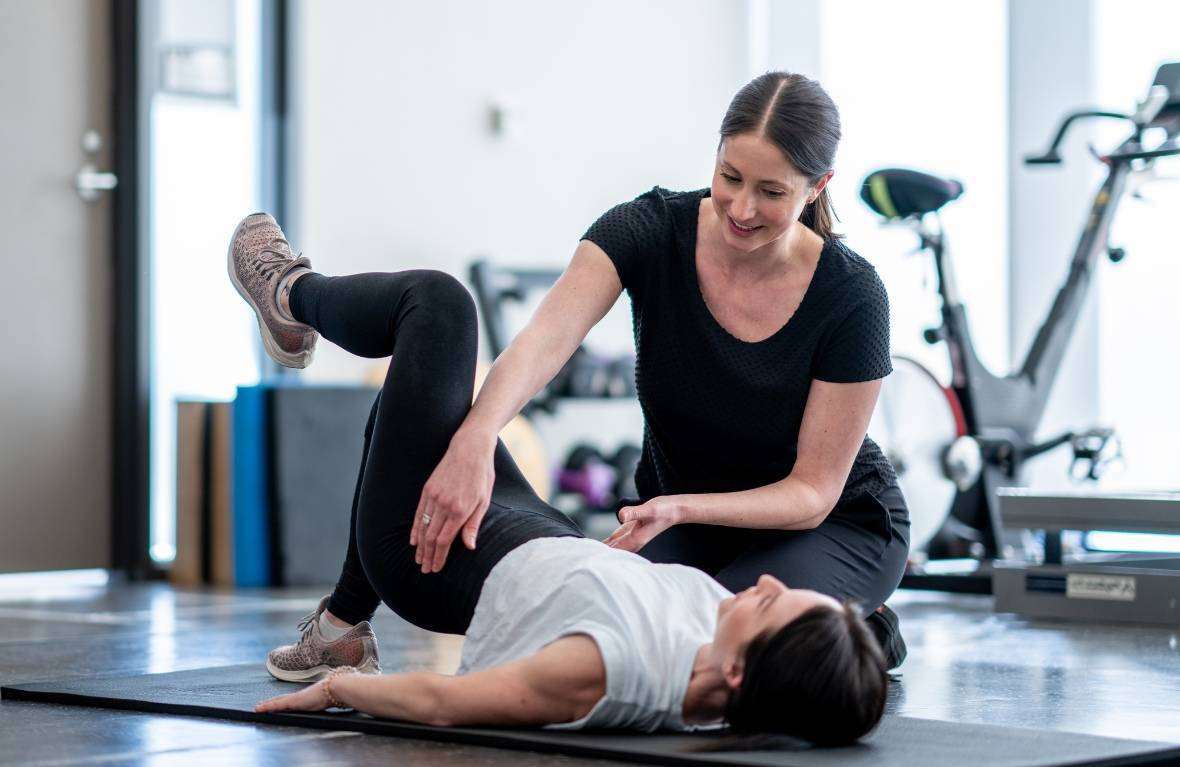
How Physiotherapy Supports Cycle-Synced Training
Physiotherapists are experts in body mechanics, injury prevention, and personalized training plans. They can help you:
Identify how your body responds to different cycle phases
Create tailored workouts that respect your hormonal fluctuations
Address any pain or mobility issues that may arise
Prevent injuries related to hormonal changes in joint stability
Working with a physiotherapist ensures your cycle-synced training is safe, effective, and sustainable.
Tips for Tracking Your Cycle and Workouts
To align workouts with your menstrual cycle, start by tracking:
Your period dates and symptoms
Energy levels and mood throughout the cycle
Workout performance and recovery times
There are many apps and journals designed to help with this, or you can simply use a calendar.
Final Thoughts
Your menstrual cycle is a natural guide to optimizing your workouts and fitness goals. By respecting your bodys hormonal rhythms, you can train smarter, reduce pain, and enhance overall well-being.
Whether youre a casual exerciser or a competitive athlete, cycle-synced training supported by physiotherapy can make all the difference in your fitness journey. Listen to your body, adjust your workouts accordingly, and watch your results improve.