Managing PMS Symptoms with Physiotherapy explores targeted strategies for recovery. Discover new paths to mobility, healing, and personalized care.

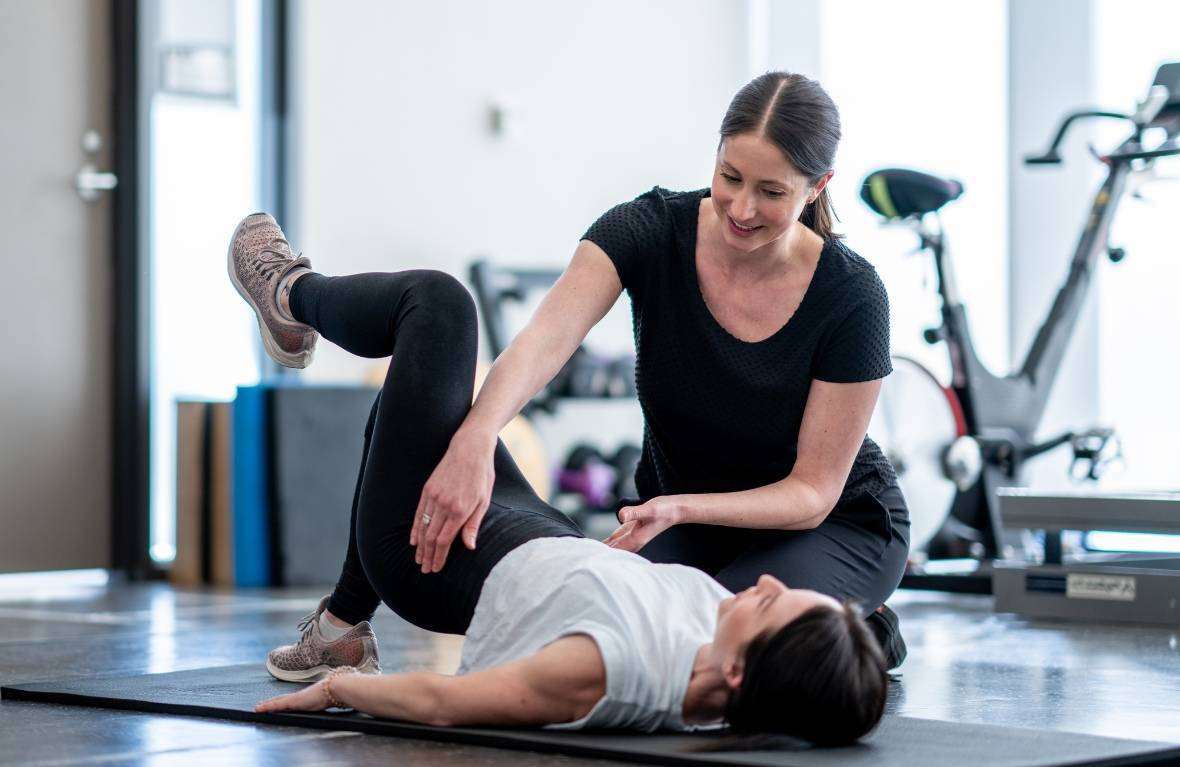
Premenstrual Syndrome (PMS) affects millions of women worldwide, causing a variety of physical and emotional symptoms in the days leading up to menstruation. From cramps and bloating to mood swings and fatigue, PMS can disrupt daily life and reduce overall well-being. While many rely on medication for relief, physiotherapy offers a natural, effective way to manage and alleviate PMS symptoms by addressing their root causes.
If youre tired of battling PMS every month and want to explore a holistic approach that supports your body and mind, physiotherapy might be exactly what you need.
What is PMS?
PMS refers to a group of symptoms that occur in the luteal phase of the menstrual cycletypically 7 to 14 days before your period starts. These symptoms can vary widely but often include:
Abdominal cramps and bloating
Lower back and pelvic pain
Breast tenderness
Headaches
Fatigue and sleep disturbances
Mood swings, irritability, and anxiety
Understanding the underlying mechanisms of PMS can help tailor effective treatments.
How Does Physiotherapy Help with PMS?
Physiotherapy focuses on improving physical function and reducing pain, but its benefits extend beyond symptom relief. Heres how physiotherapy supports PMS management:
1. Alleviating Pain Through Manual Therapy
Menstrual cramps and pelvic pain are caused by uterine muscle contractions and sometimes tightness in the surrounding muscles. Physiotherapists use manual therapy techniques like myofascial release, soft tissue mobilization, and gentle stretching to reduce muscle tension and improve blood flow, easing pain naturally.
2. Strengthening the Pelvic Floor
A weak or overactive pelvic floor can exacerbate PMS symptoms, particularly pelvic pain and urinary discomfort. Physiotherapy helps by assessing pelvic floor function and guiding you through exercises to restore balance and strength.
3. Enhancing Posture and Reducing Back Pain
Poor posture can increase strain on the lower back and pelvic area, intensifying PMS pain. Physiotherapists analyze your posture and provide corrective exercises and ergonomic advice to alleviate unnecessary stress on your muscles and joints.
4. Supporting Stress Reduction
Stress and anxiety often worsen PMS symptoms. Physiotherapy sessions may include relaxation techniques such as guided breathing exercises and mindfulness, helping to calm the nervous system and reduce symptom severity.
5. Creating Personalized Exercise Plans
While high-intensity workouts may feel challenging during PMS, moderate exercise can reduce symptoms. Physiotherapists design tailored exercise routines that promote circulation, improve mood, and increase overall energy, all while respecting your bodys limits.
Lifestyle Tips to Complement Physiotherapy for PMS
Stay hydrated and maintain a balanced diet rich in anti-inflammatory foods
Prioritize sleep and rest during symptomatic days
Avoid excessive caffeine and alcohol, which can worsen symptoms
Use heat therapy, such as warm baths or heating pads, to soothe cramps
When combined with physiotherapy, these lifestyle habits amplify symptom relief.
When to Seek Physiotherapy for PMS
If your PMS symptoms are severe, frequent, or interfere with work, relationships, or daily activities, its a good idea to consult a physiotherapist. They can develop a comprehensive plan tailored to your specific needs and guide you through effective techniques for relief.
Final Thoughts
PMS doesnt have to control your life. Physiotherapy offers a natural, empowering approach to managing symptoms, enhancing your physical function, and improving emotional well-being during the premenstrual phase.
By addressing muscular imbalances, improving pelvic health, and supporting stress reduction, physiotherapy can help you face PMS with greater comfort and confidence. If youre ready to break free from the monthly struggle, consider physiotherapy as part of your PMS management plan.