Balancing Your Hormones Naturally with Cycle-Syncing Physiotherapy explores targeted strategies for recovery. Discover new paths to mobility, healing, and personalized care.

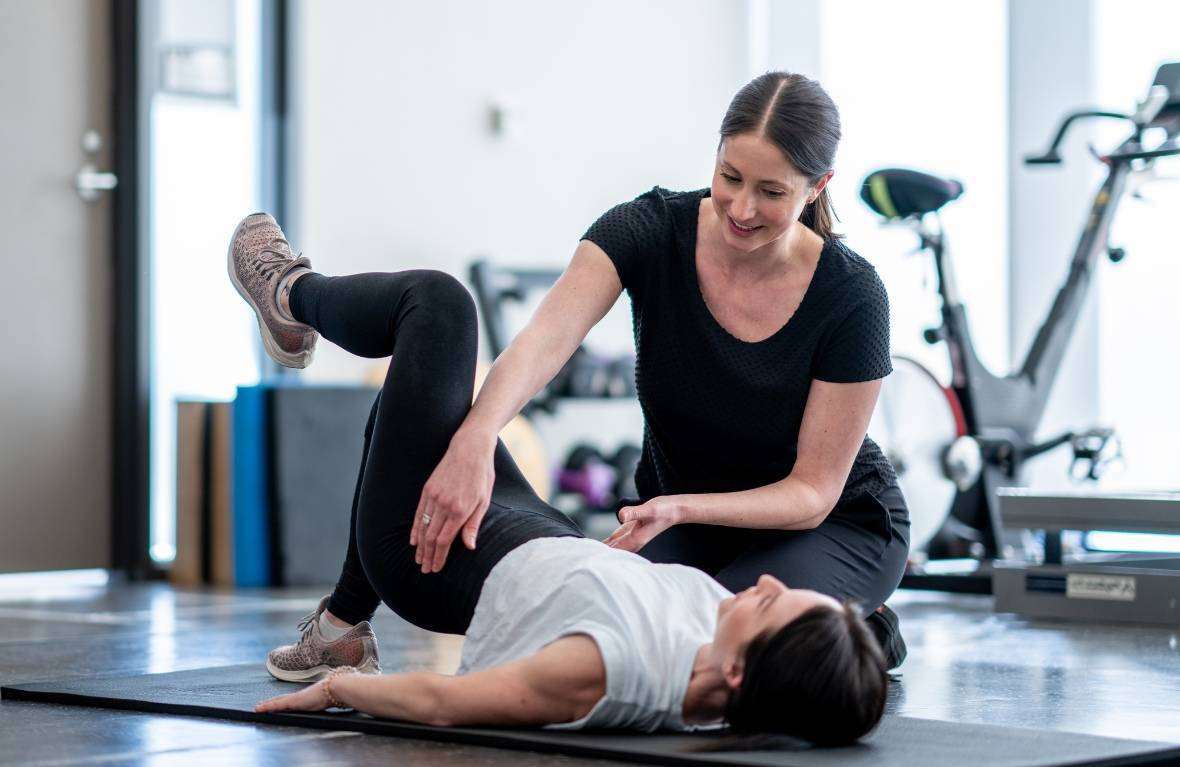
In the quest for hormonal balance, many women are turning to natural and holistic methods to support their health. One of the most exciting approaches gaining popularity is cycle-syncing physiotherapy a method that aligns your bodys movement, exercise, and therapy with the phases of your menstrual cycle. This personalized approach not only helps balance hormones naturally but also enhances energy, mood, and overall well-being.
What Is Cycle-Syncing Physiotherapy?
Cycle-syncing physiotherapy is based on the principle that a womans body and hormones change throughout her menstrual cycle, and exercise or therapy routines should adapt accordingly. Instead of following a generic workout or treatment plan, cycle-syncing respects the natural ebb and flow of hormones such as estrogen, progesterone, and testosterone during the follicular, ovulatory, luteal, and menstrual phases.
By syncing physiotherapy treatments and exercise with these phases, women can:
Optimize energy and strength
Reduce hormonal symptoms like mood swings, cramps, and fatigue
Improve sleep and digestion
Support reproductive health
Understanding the Menstrual Cycle and Hormonal Shifts
The menstrual cycle is roughly 28 days, divided into four phases:
Follicular Phase (Days 1-13): Hormones like estrogen rise, energy increases, and the body preps for ovulation.
Ovulation (Day 14): Estrogen peaks, and the body releases an egg; strength and endurance are often highest.
Luteal Phase (Days 15-28): Progesterone dominates, which can lead to fatigue, mood changes, and fluid retention.
Menstrual Phase (Days 1-5): Hormones drop, leading to menstruation; energy is typically lower.
Cycle-syncing physiotherapy tailors exercises and therapy to these hormonal shifts to work with the body rather than against it.
How Physiotherapy Tailors to Each Cycle Phase
Follicular Phase: This is the time to focus on strength training, cardiovascular exercise, and building muscle tone. Physiotherapists may introduce moderate to intense workouts, postural corrections, and mobility exercises to harness the natural energy boost.
Ovulation: Since energy and strength peak, physiotherapy might focus on high-intensity activities, balance training, and challenging the body. Manual therapy can target any tension from ovulation-related cramps.
Luteal Phase: As progesterone rises, workouts shift to moderate intensity, prioritizing gentle stretching, relaxation techniques, and breathing exercises. Physiotherapy may focus on managing PMS symptoms like cramps, bloating, and mood swings through targeted massage and relaxation.
Menstrual Phase: The focus turns to rest, gentle mobility, and pain relief. Physiotherapists provide supportive techniques such as myofascial release, pelvic floor relaxation, and breathing exercises to reduce discomfort and promote hormonal balance.
Benefits of Cycle-Syncing Physiotherapy
The advantages of syncing your physiotherapy with your cycle include:
Reduced hormonal symptoms: Tailored exercises reduce PMS, cramps, and mood swings.
Enhanced energy management: Exercise intensity matches energy levels, preventing burnout or lethargy.
Improved reproductive health: Cycle awareness promotes hormonal harmony and fertility support.
Better mental health: Mind-body connection practices relieve stress and anxiety linked to hormonal imbalances.
Sustainable fitness: Avoids overtraining or undertraining by respecting hormonal fluctuations.
Why Choose Physiotherapy Over Generic Exercise Plans?
Many women try to maintain consistent workout routines without considering how hormones impact performance and recovery. This mismatch can cause fatigue, injury, or worsening symptoms. Physiotherapists trained in cycle-syncing provide:
Personalized assessment based on your cycle and symptoms
Customized exercise and therapy plans aligned with hormonal changes
Ongoing support to adjust plans as your cycle or health evolves
Education on body awareness and hormone health
This approach is especially helpful for women struggling with hormonal disorders like PCOS, endometriosis, or thyroid issues.
Practical Tips for Cycle-Syncing at Home
Even without regular physiotherapy visits, you can start cycle-syncing by:
Tracking your menstrual cycle and noting energy levels and symptoms
Adjusting workouts: focus on strength in follicular phase, gentle movement during luteal and menstrual phases
Prioritizing rest and relaxation during low-energy days
Using breathing and stretching exercises daily for hormonal support
Final Thoughts
Cycle-syncing physiotherapy is a revolutionary way to honor your bodys natural rhythm and balance hormones without medication. It empowers women to take control of their health, optimize their fitness, and reduce hormonal disruptions through scientifically tailored movement and therapy.
If you want to explore how cycle-syncing physiotherapy can transform your hormonal health and overall well-being, connecting with a specialized physiotherapist is a great first step.