Understanding Your Cycle explores targeted strategies for recovery. Discover new paths to mobility, healing, and personalized care.

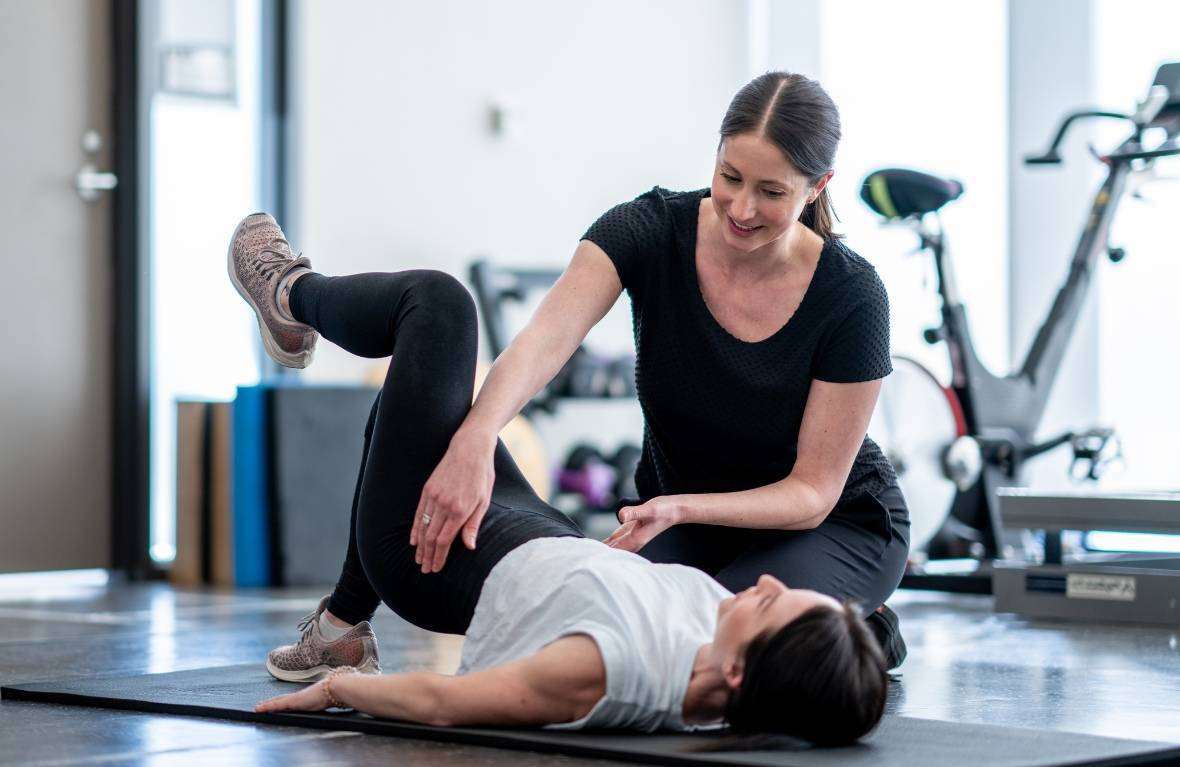
The menstrual cycle is often seen as just a monthly event, but its actually a complex and dynamic system of hormonal changes that affects many aspects of a womans healthfrom mood and energy to digestion and skin. Understanding your cycle is key to managing hormonal health, and physiotherapy can play a pivotal role in supporting this process by promoting balance, reducing symptoms, and enhancing overall well-being.
Why Understanding Your Cycle Matters
Hormones like estrogen, progesterone, luteinizing hormone, and follicle-stimulating hormone fluctuate throughout the menstrual cycles phasesmenstrual, follicular, ovulation, and luteal. These fluctuations can impact physical and emotional health in profound ways. For example:
Low estrogen during menstruation can cause fatigue and cramps
Rising estrogen in the follicular phase increases energy and mood
Ovulation often brings a peak in strength and endurance
The luteal phase, dominated by progesterone, may cause bloating and irritability
Being aware of these changes empowers you to adapt your lifestyle, exercise, and self-care to support your bodys natural rhythm.
The Role of Physiotherapy in Hormonal Health
Physiotherapy isnt just about treating injuries; its about optimizing your bodys function. When applied with an understanding of your menstrual cycle, physiotherapy can:
Manage pain and discomfort: Techniques like manual therapy, stretching, and pelvic floor exercises reduce menstrual cramps, pelvic pain, and lower back tension caused by hormonal shifts.
Improve circulation: Better blood flow supports hormone delivery and waste removal, reducing bloating and fatigue.
Enhance muscle function and posture: Hormones affect ligament laxity, especially during certain cycle phases. Physiotherapy can strengthen muscles around vulnerable joints to prevent injury.
Support mental health: Physiotherapys relaxation techniques can ease anxiety and mood swings linked to hormonal imbalances.
Cycle-Specific Physiotherapy Approaches
Menstrual Phase: Gentle, restorative therapies help reduce pain and promote relaxation. Techniques include light stretching, breathing exercises, and soft tissue massage.
Follicular Phase: Energy is rising, making it ideal for strength and conditioning exercises to build resilience and hormonal balance.
Ovulation: With peak energy and strength, physiotherapy can incorporate high-intensity training and balance work, taking advantage of this optimal window.
Luteal Phase: Focus shifts to moderate exercise, flexibility, and relaxation to manage PMS symptoms and prepare the body for the next cycle.
Pelvic Health and Hormonal Balance
The pelvic floor muscles are deeply connected to hormonal health. Physiotherapists specializing in womens health assess and treat pelvic floor dysfunction, which can be influenced by hormonal changes during the cycle, pregnancy, and menopause. Strengthening and relaxing these muscles through targeted physiotherapy supports bladder control, reduces pelvic pain, and improves sexual healthall important for hormonal wellness.
Stress, Hormones, and Physiotherapy
Stress disrupts hormonal balance by elevating cortisol, which negatively impacts the menstrual cycle and overall health. Physiotherapy techniques such as guided breathing, progressive muscle relaxation, and gentle exercise activate the parasympathetic nervous system, reducing stress and helping restore hormonal harmony.
Lifestyle Tips to Complement Physiotherapy
Track your menstrual cycle to anticipate hormonal changes and symptoms
Adjust your exercise intensity and type according to cycle phases
Prioritize sleep and nutrition to support hormone production
Practice mindfulness and stress reduction regularly
Seek physiotherapy support when experiencing pain or dysfunction
Final Thoughts
Understanding your menstrual cycle is a powerful step toward hormonal health. Physiotherapy offers personalized, cycle-aware care that reduces discomfort, improves function, and supports your bodys natural rhythm. Whether you experience mild symptoms or significant hormonal imbalances, integrating physiotherapy into your health routine can make a meaningful difference in how you feel every day.