How Physiotherapy Can Improve Symptoms of Polycystic Ovary Syndrome (PCOS) explores targeted strategies for recovery. Discover new paths to mobility, healing, and personalized care.

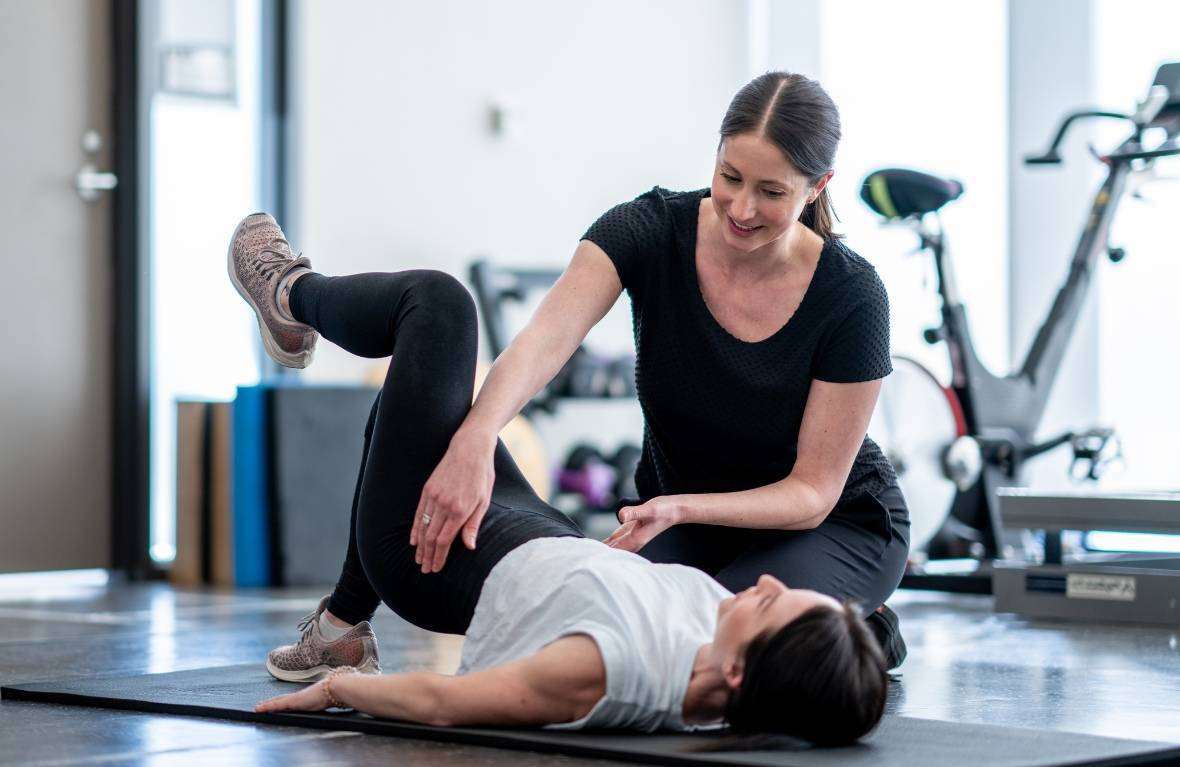
Polycystic Ovary Syndrome (PCOS) is a common hormonal disorder affecting millions of women worldwide. Characterized by irregular menstrual cycles, hormonal imbalances, insulin resistance, and cysts on the ovaries, PCOS can significantly impact quality of life. While medical treatment often focuses on medications and lifestyle changes, physiotherapy offers an underappreciated yet powerful avenue to manage and improve PCOS symptoms naturally.
Understanding PCOS and Its Challenges
PCOS causes hormonal disruption, including elevated androgens (male hormones), which affect ovulation, insulin regulation, and metabolic function. Symptoms may include:
Irregular or absent periods
Weight gain and difficulty losing weight
Acne and oily skin
Excess hair growth (hirsutism)
Fatigue and mood swings
Pelvic pain and discomfort
Because PCOS affects multiple systems in the body, a holistic approach like physiotherapy can help address both physical and hormonal imbalances.
The Role of Physiotherapy in PCOS Management
Physiotherapy supports PCOS treatment by targeting key areas that influence hormonal health and symptom relief:
Improving insulin sensitivity: Regular, guided exercise prescribed by physiotherapists enhances muscle glucose uptake, reducing insulin resistancea major factor in PCOS.
Weight management: Physiotherapy offers tailored exercise programs that help with sustainable weight loss, which can improve hormonal balance and reduce symptoms.
Pelvic floor and core strengthening: Many women with PCOS experience pelvic discomfort or pain. Physiotherapy strengthens pelvic muscles, improving function and reducing pain.
Stress reduction: Chronic stress worsens PCOS symptoms by elevating cortisol. Techniques like breathing exercises, manual therapy, and relaxation reduce stress hormones, supporting hormonal balance.
Improving circulation: Enhanced blood flow through manual therapy and exercise promotes ovarian health and hormone delivery.
Physiotherapy Techniques for PCOS
Personalized exercise plans: Low-impact cardio, strength training, and flexibility exercises improve metabolism and hormonal regulation.
Manual therapy: Massage and myofascial release reduce muscle tension and inflammation.
Breathing and relaxation: Techniques lower cortisol and support mental well-being.
Posture and movement education: Correcting posture can reduce pelvic strain and improve overall body mechanics.
Benefits Beyond Symptom Relief
Physiotherapy not only addresses the physical symptoms of PCOS but also improves emotional and mental health. Exercise and relaxation stimulate endorphin production, helping combat anxiety and depression common in PCOS. The increased energy and improved sleep quality from physiotherapy interventions further enhance daily life.
Complementing Medical Treatments with Physiotherapy
While physiotherapy cant replace medications like hormonal contraceptives or insulin sensitizers, it complements them by improving physical health and hormone regulation naturally. Physiotherapists often work in collaboration with healthcare providers to create a well-rounded treatment plan.
When to Seek Physiotherapy for PCOS
Women diagnosed with PCOS or experiencing symptoms such as irregular periods, pelvic pain, weight struggles, or mood changes can benefit from consulting a physiotherapist. Early intervention helps prevent complications like diabetes and cardiovascular issues.
Final Thoughts
Polycystic Ovary Syndrome is a complex condition requiring comprehensive care. Physiotherapy provides a natural, supportive path to manage symptoms, restore hormonal balance, and improve quality of life. If youre living with PCOS, integrating physiotherapy into your treatment plan can empower you with tools to take control of your health and well-being.