Managing Hormonal Cravings with Physiotherapy Techniques explores targeted strategies for recovery. Discover new paths to mobility, healing, and personalized care.

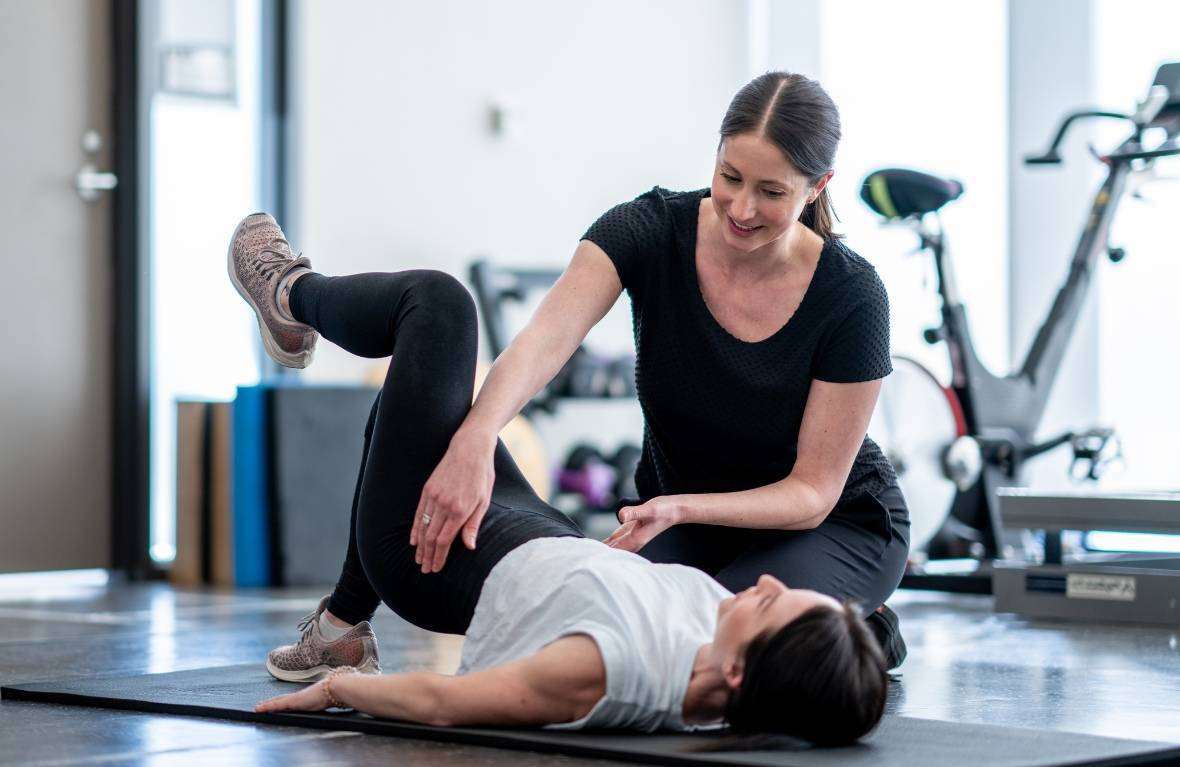
Hormonal cravingsthose intense urges for certain foods or snacksare a familiar experience for many, especially during the menstrual cycle, pregnancy, or times of hormonal imbalance. These cravings often stem from fluctuating hormones like estrogen, progesterone, and cortisol, which influence appetite, mood, and metabolism. While indulging occasionally is normal, frequent cravings can lead to unhealthy eating patterns and weight gain. Physiotherapy offers unique, natural techniques to help manage these cravings by balancing hormones, reducing stress, and promoting mindful body awareness.
Why Do Hormonal Cravings Happen?
Hormonal changes affect neurotransmitters in the brain, including serotonin and dopamine, which regulate mood and appetite. For example:
Luteal phase cravings: Progesterone rises after ovulation, often triggering cravings for carbohydrates and sweets.
Stress-related cravings: Elevated cortisol can increase appetite and drive cravings for high-fat, sugary foods.
Pregnancy cravings: Hormonal shifts and increased nutritional needs can lead to specific food desires.
Understanding the hormonal triggers behind cravings is the first step to managing them effectively.
How Physiotherapy Helps Manage Hormonal Cravings
Physiotherapy supports hormonal balance and cravings management through several pathways:
Stress reduction: Stress hormones like cortisol amplify cravings. Physiotherapy techniquessuch as guided breathing, relaxation exercises, and manual therapyreduce cortisol, helping control appetite.
Improved insulin sensitivity: Regular exercise prescribed by physiotherapists enhances insulin function, stabilizing blood sugar levels and preventing sudden hunger or cravings.
Mind-body connection: Physiotherapy fosters body awareness, helping you recognize true hunger versus emotional or hormonal cravings.
Enhanced sleep quality: Poor sleep worsens cravings; physiotherapys relaxation and movement strategies improve sleep patterns, reducing appetite imbalances.
Physiotherapy Techniques for Craving Control
Breathing exercises: Slow, deep breathing calms the nervous system and reduces stress-driven cravings.
Moderate-intensity exercise: Activities like walking, swimming, or Pilates regulate blood sugar and mood.
Manual therapy: Massage reduces muscle tension and promotes relaxation, indirectly calming appetite signals.
Posture and movement awareness: Improving posture can positively affect digestion and hormone regulation.
Complementary Lifestyle Tips
Stay hydrated to reduce false hunger signals.
Eat balanced meals with protein, healthy fats, and fiber.
Practice mindful eating to appreciate food and reduce impulsive snacking.
Avoid skipping meals to prevent extreme hunger and overeating.
Manage stress through meditation, yoga, or physiotherapy.
Final Thoughts
Hormonal cravings dont have to control your diet or well-being. By combining physiotherapys natural stress relief and hormone-supporting techniques with mindful lifestyle choices, you can regain control over cravings and support your hormonal health. If you struggle with persistent cravings linked to your cycle or stress, consider consulting a physiotherapist for personalized guidance.