Exercise for Hormonal Health explores targeted strategies for recovery. Discover new paths to mobility, healing, and personalized care.

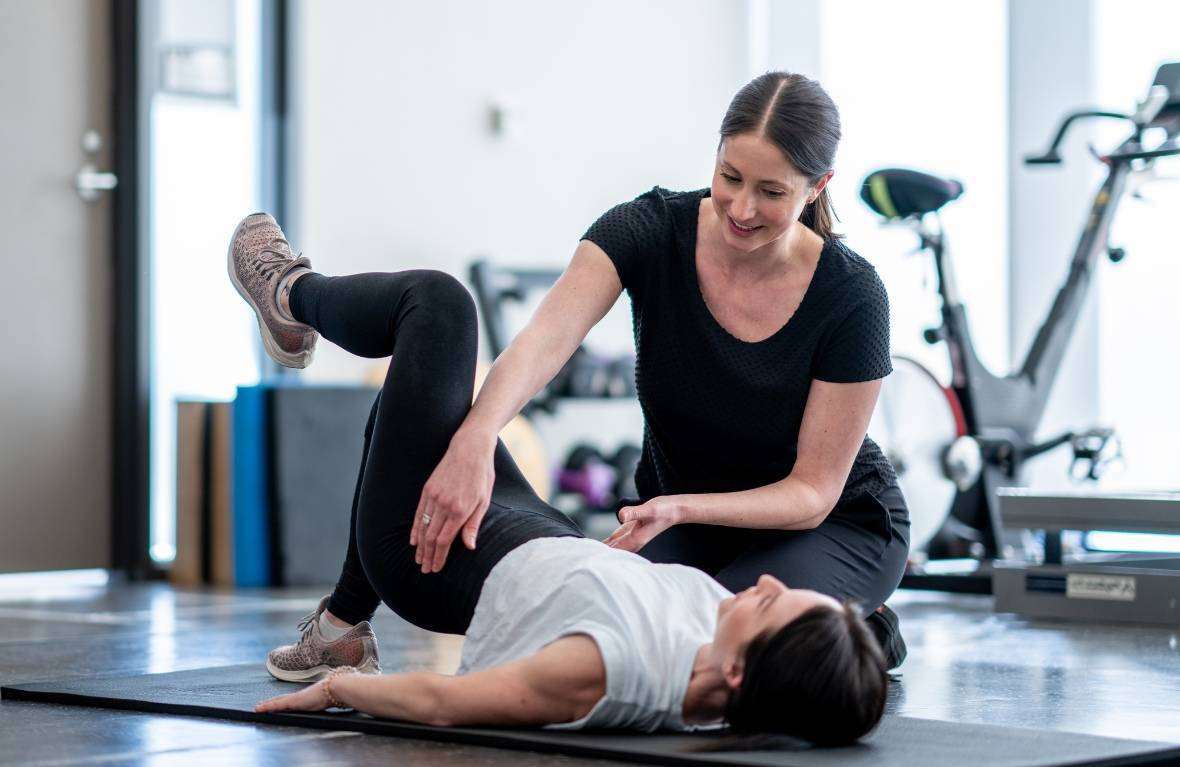
Hormonal acne and skin changes can be frustrating challenges tied to the complex fluctuations of hormones throughout lifefrom adolescence and menstrual cycles to pregnancy and menopause. While dermatological treatments are often the first go-to, physiotherapy plays an important complementary role in managing these conditions naturally by supporting hormonal balance, improving circulation, and reducing inflammation.
What Causes Hormonal Acne and Skin Changes?
Hormonal acne is largely driven by androgens, which increase sebum production, leading to clogged pores and inflammation. Other skin changes like dryness, sensitivity, or pigmentation issues can also stem from hormonal shifts, especially during pregnancy or menopause. Stress and lifestyle factors compound these effects by disrupting hormone levels further.
How Physiotherapy Supports Skin Health
Physiotherapy contributes to hormonal skin health by:
Enhancing circulation: Manual therapies like lymphatic drainage massage boost blood flow to the skin, helping flush out toxins and reduce inflammation.
Stress reduction: Physiotherapy techniques such as guided breathing and relaxation lower cortisol, a hormone that can worsen acne and skin sensitivity.
Balancing hormones through exercise: Tailored physical activity improves insulin sensitivity and hormone regulation, which positively impacts skin health.
Improving posture and muscle tension: Physiotherapy addresses musculoskeletal imbalances that may affect facial muscles and blood flow, indirectly benefiting skin condition.
Specific Techniques Beneficial for Skin
Manual lymphatic drainage: Helps reduce swelling and clears inflammatory waste products.
Myofascial release: Relieves muscle tension that could affect facial blood flow.
Breathing exercises: Lower stress hormones and calm inflammatory skin responses.
Customized exercise plans: Support overall hormonal balance and reduce acne triggers.
Integrating Physiotherapy with Dermatology
Physiotherapy works best alongside appropriate skincare and medical treatment, offering a holistic approach to managing hormonal acne and skin changes. Collaboration between physiotherapists, dermatologists, and endocrinologists provides comprehensive care tailored to individual hormonal profiles.
Final Thoughts
Hormonal acne and skin issues are complex but manageable conditions. Physiotherapy offers natural, effective support by addressing hormonal imbalances, improving circulation, and reducing stress. If youre struggling with hormonal skin changes, physiotherapy may be an essential part of your wellness plan.