How Physiotherapy Enhances Your Exercise Routine During Different Phases of Your Cycle explores targeted strategies for recovery. Discover new paths to mobility, healing, and personalized care.

If youre an active woman, you might have noticed that your energy, strength, and endurance can fluctuate throughout the month. Thats no coincidenceits your menstrual cycle and hormonal changes at work. Understanding how your body responds during different phases of your cycle can help you tailor your exercise routine for better results, less fatigue, and reduced risk of injury. Physiotherapy plays a key role in helping you optimize your workouts and recovery by aligning your exercise with your hormonal rhythm. At YourFormsUX in Canada, we specialize in cycle-informed physiotherapy that supports your fitness goals and overall wellbeing.
The Four Phases of Your Menstrual Cycle and Their Impact on Exercise
Your menstrual cycle is divided into four main phases, each marked by distinct hormonal profiles that influence your physical performance and recovery:
Menstrual Phase (Days 1-5): This phase begins with menstruation and is characterized by low estrogen and progesterone levels. Energy might be lower, and you may experience cramps or discomfort.
Follicular Phase (Days 6-14): Estrogen levels rise steadily, increasing your energy, pain tolerance, and muscle strength. Your body is primed for more intense training.
Ovulation (Around Day 14): Estrogen peaks, followed by a surge in luteinizing hormone. You may feel at your strongest, but ligament laxity can increase injury risk.
Luteal Phase (Days 15-28): Progesterone dominates, which can lead to increased fatigue, lower pain tolerance, and slower recovery.
How Physiotherapy Supports Exercise in Each Phase
Menstrual Phase: Focus on Recovery and Gentle Movement
During menstruation, physiotherapy helps manage pain and supports gentle activities like stretching, yoga, or light walking. Techniques such as pelvic floor relaxation and manual therapy relieve cramps and improve circulation.
Follicular Phase: Build Strength and Endurance
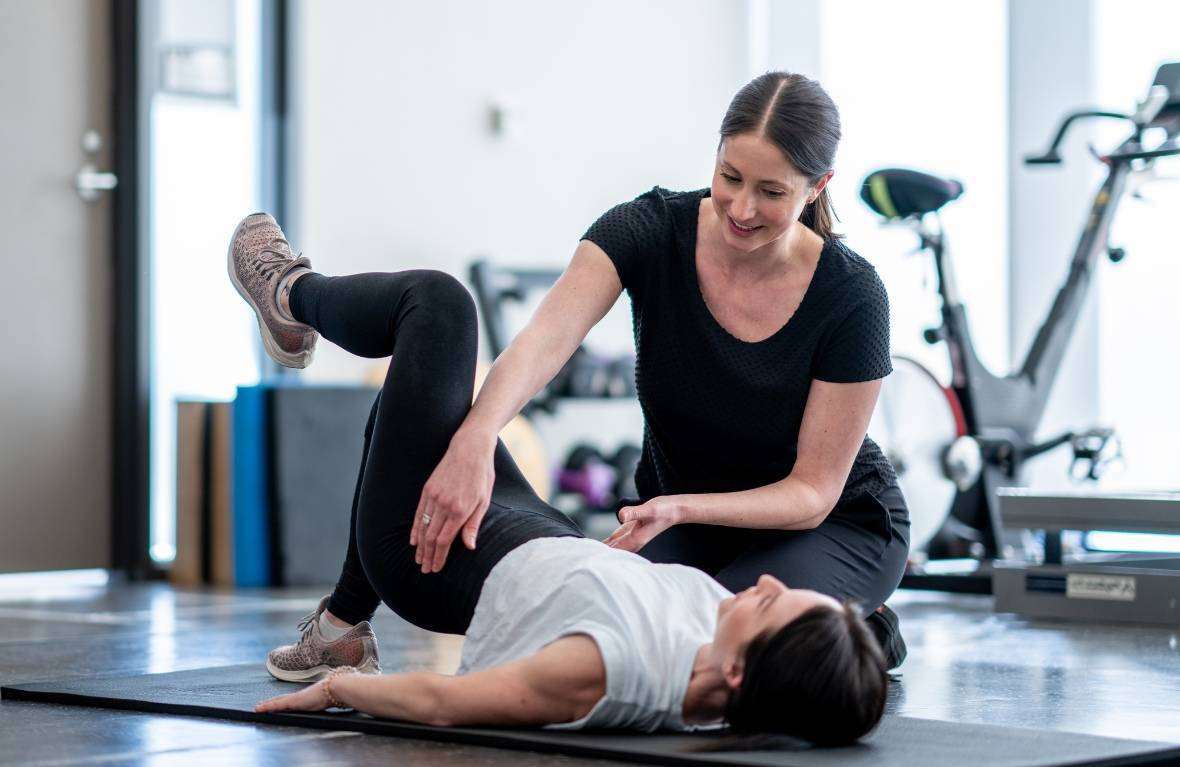
With rising estrogen, physiotherapy-guided strength training and cardiovascular exercises are most effective. Physiotherapists ensure your technique is correct, reducing the risk of injury as you push harder.
Ovulation: Peak Performance with Caution
While energy peaks, physiotherapy emphasizes injury prevention by addressing joint stability and proprioception. Customized warm-ups and neuromuscular training can protect ligaments vulnerable due to hormonal effects.
Luteal Phase: Modify Intensity and Prioritize Rest
Physiotherapy recommends moderate-intensity workouts and restorative practices like pilates and swimming. It also helps manage symptoms such as bloating or mood changes through relaxation techniques and targeted exercises.
The Role of Physiotherapy in Injury Prevention
Hormonal fluctuations affect ligament laxity and muscle function, increasing injury risk, especially during ovulation. Physiotherapists evaluate your biomechanical patterns and design exercise modifications and neuromuscular training to maintain joint stability throughout your cycle.
Benefits of Cycle-Aware Physiotherapy in Exercise
Improved workout performance aligned with your bodys capabilities
Reduced menstrual pain and premenstrual symptoms impacting training
Enhanced recovery and reduced fatigue
Lower injury rates through targeted interventions
Greater body awareness and motivation
Practical Tips to Sync Exercise with Your Cycle
Track your cycle to anticipate phases and plan workouts accordingly.
Consult with a physiotherapist to tailor your exercise routine.
Listen to your body and adjust intensity based on symptoms.
Include warm-ups and cool-downs to support hormonal changes.
Incorporate pelvic floor and core strengthening exercises regularly.
Final Thoughts
Understanding your cycles impact on exercise unlocks a new level of fitness and wellbeing. Physiotherapy provides the expertise to guide you through each phase safely and effectively. At YourFormsUX, we help active women harness their hormonal rhythms to achieve their fitness goals while maintaining balance and preventing injury.