Physiotherapy Techniques for Managing Menstrual Bloating and Discomfort explores targeted strategies for recovery. Discover new paths to mobility, healing, and personalized care.

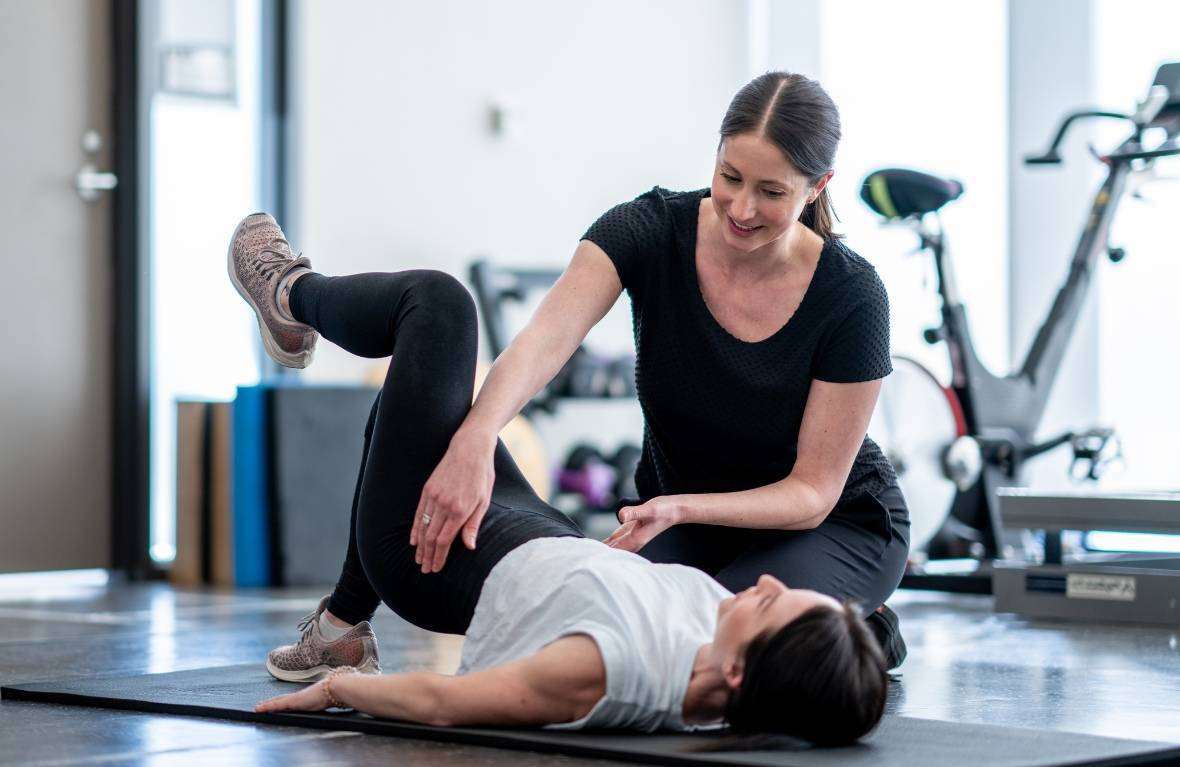
Physiotherapy addresses menstrual symptoms by improving circulation, relaxing muscles, and encouraging lymphatic drainageprocesses that reduce swelling and pain.
Manual Lymphatic Drainage
This gentle massage technique stimulates the lymphatic system, helping reduce fluid retention and swelling associated with menstrual bloating. By promoting lymph flow, manual drainage decreases discomfort and improves the bodys natural detoxification process.
Pelvic Floor Therapy
The pelvic floor muscles can become tense or weak during menstruation, exacerbating cramps and discomfort. Physiotherapists use specialized exercises and manual therapy to relax and strengthen these muscles, reducing pain and improving function.
Soft Tissue Mobilization and Myofascial Release
These hands-on techniques target tight muscles and connective tissue around the pelvis and lower abdomen, easing muscle spasms caused by prostaglandins and hormonal changes. Releasing tension in these areas helps relieve cramping and discomfort.
Breathing and Relaxation Techniques
Controlled breathing exercises reduce stress and promote muscle relaxation, which can lessen the intensity of cramps and bloating. Physiotherapy sessions often incorporate guided breathing to support relaxation during menstruation.
Targeted Exercise and Stretching
Gentle stretching and low-impact exercises improve blood flow, reduce muscle tightness, and encourage movement that counters fluid buildup. Physiotherapists tailor these movements to your cycle phase and individual needs for optimal relief.
Benefits of Physiotherapy for Menstrual Symptoms
Reduced bloating and pelvic swelling
Alleviation of menstrual cramps and lower abdominal pain
Improved pelvic floor function and reduced muscle tension
Enhanced circulation and lymphatic flow
Increased awareness and control of pelvic muscles
Improved emotional well-being through relaxation techniques
Why Choose Physiotherapy Over Medication?
While over-the-counter painkillers are commonly used for menstrual discomfort, they dont address the root muscular or circulatory causes of symptoms. Physiotherapy provides a holistic approach that targets the bodys physical imbalances and hormonal effects, helping reduce symptoms naturally without side effects.
Practical Tips for Managing Menstrual Discomfort with Physiotherapy
Schedule regular physiotherapy sessions aligned with your menstrual cycle to optimize timing of treatments.
Incorporate pelvic floor exercises and gentle stretches into your daily routine.
Practice diaphragmatic breathing for stress relief and muscle relaxation.
Maintain good hydration to support lymphatic drainage.
Avoid prolonged sitting and encourage light movement to reduce fluid buildup.
Final Thoughts
Menstrual bloating and discomfort dont have to control your life each month. Physiotherapy offers targeted, evidence-based techniques that work with your bodys hormonal rhythms to reduce symptoms and improve comfort. By integrating physiotherapy into your menstrual health routine, you can regain control, feel lighter, and better enjoy your daily activities throughout your cycle.