How to Build a Fitness Routine That Works with Your Hormonal Cycle explores targeted strategies for recovery. Discover new paths to mobility, healing, and personalized care.

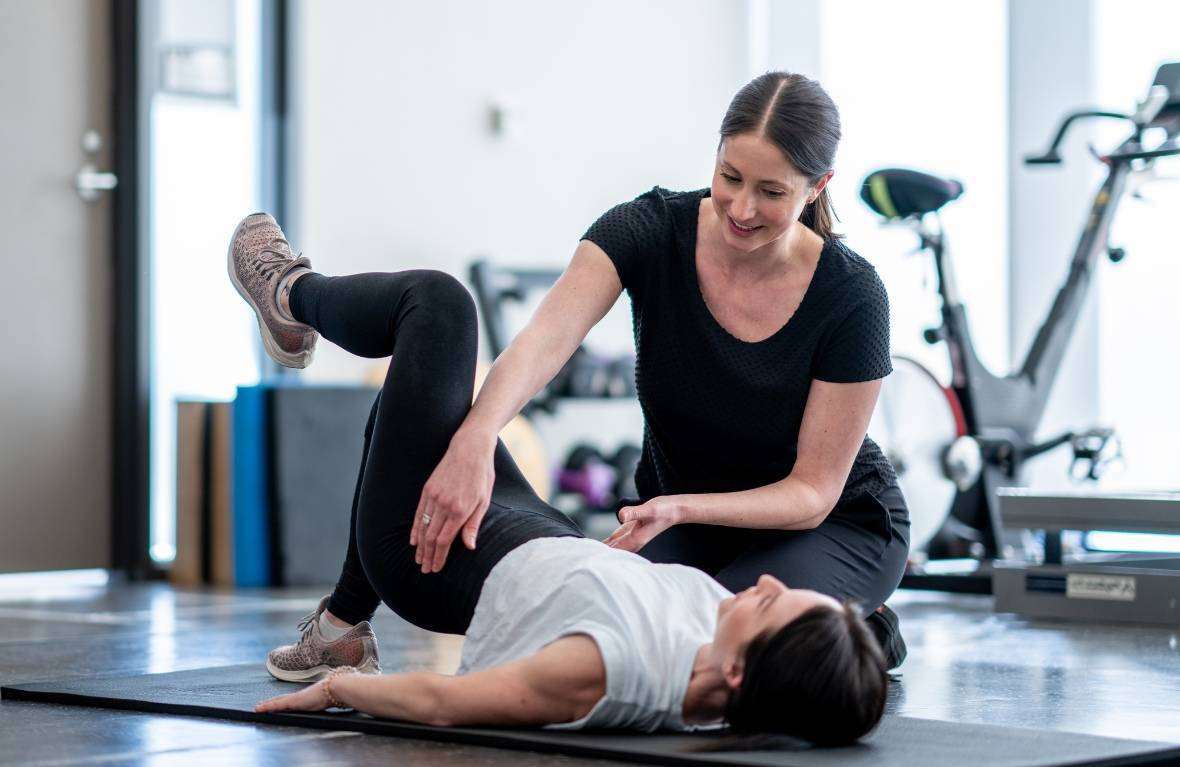
Creating a fitness routine that truly works for your body means understanding one key factor: your hormonal cycle. For many, fitness plans feel like a one-size-fits-all approach, but the truth is your bodys needs shift throughout the month in tune with your hormones. At YourFormsUX.com, we believe that syncing your workouts with your hormonal cycle can not only improve your results but also make exercising feel more enjoyable and sustainable.
Why Does Your Hormonal Cycle Matter in Fitness?
Your hormonal cycle, especially for women, revolves primarily around fluctuations in estrogen and progesterone. These hormones influence energy levels, strength, mood, and even pain tolerance, all of which affect how you perform during workouts.
For example:
Follicular Phase (Day 1 to ~Day 14): Estrogen rises, boosting energy, strength, and endurance. This is the time to push harder with cardio, strength training, or high-intensity workouts.
Ovulation (~Day 14): Estrogen peaks, and testosterone slightly rises, making you feel strong and motivatedperfect for challenging workouts.
Luteal Phase (~Day 15 to Day 28): Progesterone increases, which can cause fatigue and reduce coordination. This phase is ideal for lighter exercise like yoga, walking, or gentle strength training.
Understanding these phases helps tailor your fitness plan to match how your body feels, allowing better performance and reducing the risk of injury or burnout.
Building Your Hormone-Friendly Fitness Routine
Track Your Cycle: Use an app, calendar, or journal to note the phases of your cycle. Over time, youll notice patterns in energy, cravings, and physical capability.
Match Workouts to Hormonal Phases:
Follicular Phase: Focus on high-intensity interval training (HIIT), strength training, and cardio. Your bodys response to training is heightened, so its a great time to challenge yourself.
Ovulation: Maximize your workout intensity. Powerlifting, sprinting, and competitive sports can work well because strength and pain tolerance peak here.
Luteal Phase: Scale back. Prioritize restorative activities like Pilates, swimming, yoga, or walking. These support recovery and reduce inflammation.
Menstruation: Listen closely to your body. Some days might call for rest; others, gentle stretching or light exercise can help ease cramps and boost mood.
Stay Flexible: Hormones can be unpredictable, so be willing to adjust your routine based on how you feel each day. This flexibility prevents frustration and promotes long-term consistency.
Prioritize Recovery: Hormonal fluctuations impact sleep and recovery rates. Schedule rest days, incorporate sleep hygiene practices, and consider physiotherapy techniques like massage or stretching to aid muscle recovery.
Physiotherapys Role in Supporting Your Fitness Routine
Physiotherapy complements hormone-friendly fitness by addressing muscle imbalances, improving joint mobility, and managing pain that may arise due to hormonal changes. Regular sessions can help you:
Prevent injuries caused by changes in ligament laxity and joint stability during your cycle.
Learn proper movement techniques to optimize workout efficiency.
Receive personalized exercises that respect your hormonal phases and physical condition.
Incorporate breathing and relaxation techniques to reduce stress and support recovery.
Benefits of Hormonal Cycle-Aligned Fitness
Improved Performance: Tailored workouts match your peak strength and endurance days.
Reduced Injury Risk: By respecting your bodys changing flexibility and coordination, you avoid overtraining.
Better Mood and Motivation: Working with your cycle naturally supports mental wellbeing.
Enhanced Recovery: Lighter days allow your body to heal and recharge.
Sustainable Routine: Listening to your body prevents burnout and keeps fitness enjoyable.
Tips to Stay Motivated
Celebrate your small wins during each phase.
Join a community or find a workout buddy who understands cycle syncing.
Set realistic goals that reflect your current hormonal state.
Use physiotherapy support to overcome obstacles like pain or fatigue.
Building a fitness routine that respects your hormonal cycle isnt just smartits transformative. YourFormsUX.com is here to help you understand your body better, offering physiotherapy insights that empower you to work with your hormones, not against them.