Managing Hormonal Changes and Symptoms with Physiotherapy explores targeted strategies for recovery. Discover new paths to mobility, healing, and personalized care.

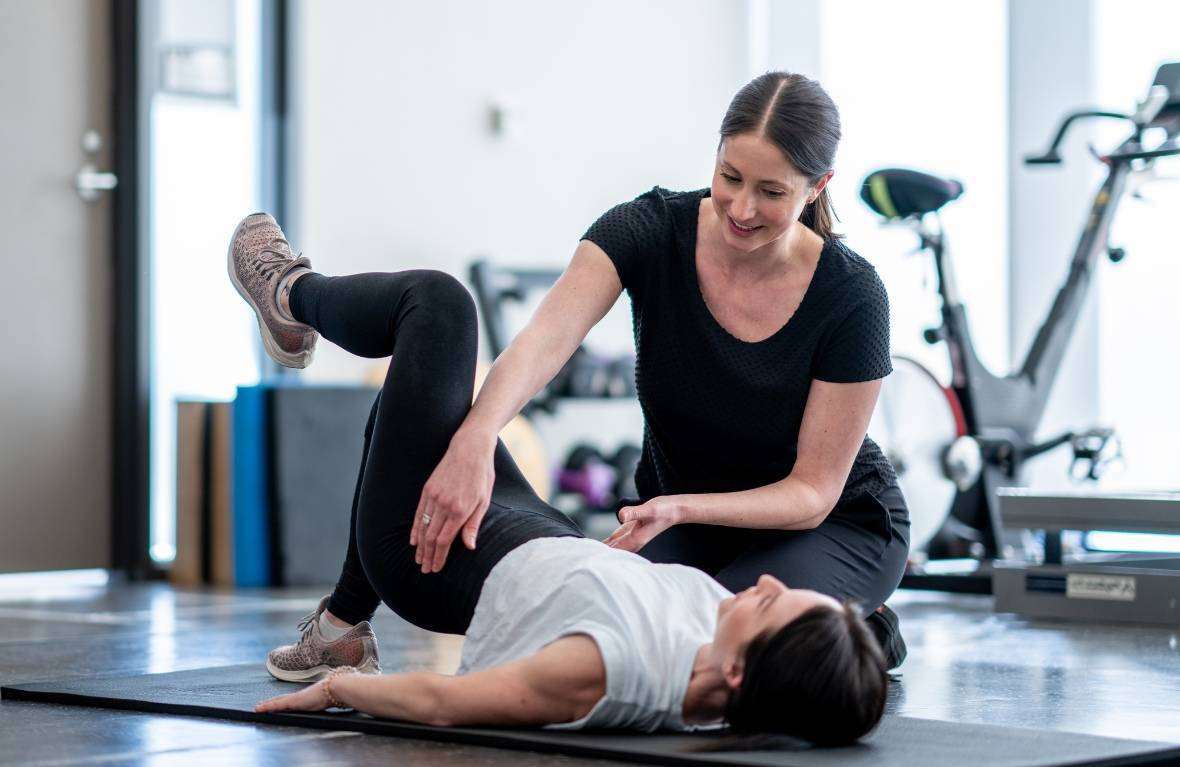
Hormonal changes are a natural part of life, but their symptoms can sometimes feel overwhelming. Whether youre navigating puberty, pregnancy, postpartum, or menopause, the physical and emotional symptoms that come with hormonal shifts can interfere with your daily routine. At YourFormsUX.com, were here to share how physiotherapy offers effective ways to manage these changes and ease your symptoms naturally.
Common Symptoms of Hormonal Changes
Hormonal fluctuations can cause a range of symptoms including:
Mood swings and irritability
Fatigue and low energy
Muscle and joint pain
Bloating and digestive issues
Sleep disturbances
Pelvic pain or discomfort
Hot flashes and night sweats
Each symptom affects your comfort and quality of life, but physiotherapy provides tools to manage and reduce their impact.
How Physiotherapy Addresses Hormonal Symptoms
Physiotherapy focuses on holistic body care, helping you manage symptoms by improving physical function and reducing discomfort. Heres how it supports you through hormonal changes:
Pain Relief and Muscle Relaxation: Hormonal shifts can increase muscle tension and joint pain. Physiotherapists use manual therapy, soft tissue mobilization, and targeted exercises to relieve pain and improve flexibility.
Pelvic Floor Strengthening: Changes in hormones often affect pelvic floor muscles, leading to issues like incontinence or pelvic pain. Specialized pelvic floor physiotherapy strengthens and rehabilitates these muscles.
Improved Circulation and Lymphatic Drainage: Hormonal changes can cause swelling and bloating. Techniques like lymphatic drainage massage improve circulation and reduce fluid retention.
Sleep and Stress Management: Physiotherapy incorporates relaxation techniques and breathing exercises to promote better sleep and reduce stress, both crucial for hormone regulation.
Tailored Exercise Plans: Customized fitness programs help manage weight, boost mood, and increase energy, all while respecting your bodys hormonal state.
Benefits of Physiotherapy During Hormonal Transitions
Reduced pain and discomfort
Better bladder and pelvic health
Improved mood and energy levels
Enhanced sleep quality
Increased physical strength and mobility
Greater overall wellbeing
When to Seek Physiotherapy Support
If hormonal symptoms interfere with your daily life, consulting a physiotherapist can provide relief and guidance. Early intervention can prevent symptoms from worsening and help you maintain a healthy, active lifestyle throughout hormonal transitions.