How to Ease Period Pain with Physiotherapy Techniques explores targeted strategies for recovery. Discover new paths to mobility, healing, and personalized care.

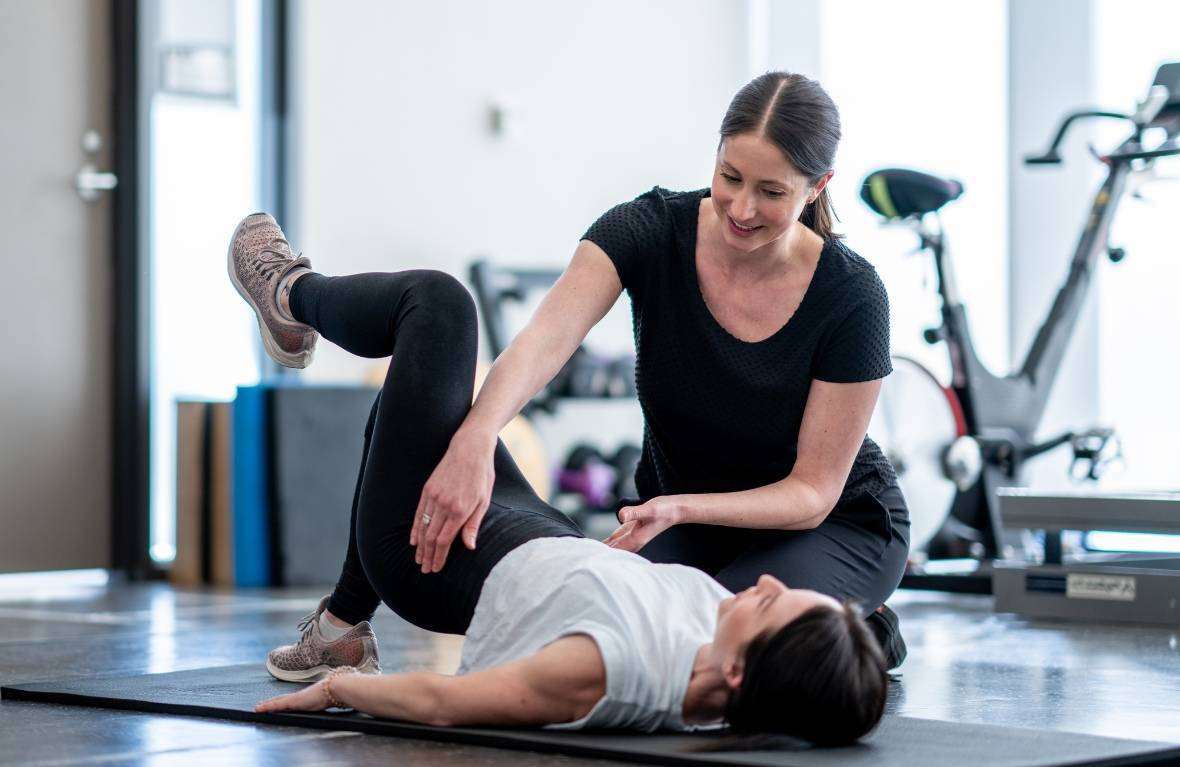
Period pain, or dysmenorrhea, affects millions of people worldwide, disrupting daily life with cramps, back pain, and fatigue. While over-the-counter medications provide temporary relief, physiotherapy offers a natural, effective way to ease period pain by addressing its root causes and supporting your bodys natural healing. At YourFormsUX.com, we want to help you discover how physiotherapy techniques can transform your menstrual experience.
What Causes Period Pain?
Period pain is caused by uterine contractions triggered by prostaglandinshormone-like substances that help shed the uterine lining during menstruation. Excess prostaglandins can lead to stronger, more painful contractions, which cause cramping and sometimes radiate to the lower back and thighs.
Other factors contributing to period pain include:
Muscle tightness and imbalances
Pelvic floor dysfunction
Poor posture or alignment
Stress and anxiety
Inflammation
How Physiotherapy Helps Relieve Period Pain
Physiotherapy addresses period pain by focusing on the musculoskeletal system and nervous system regulation. Heres how it helps:
Manual Therapy: Hands-on techniques like soft tissue massage, myofascial release, and trigger point therapy reduce muscle tightness and improve blood flow to the pelvic region, easing cramps and discomfort.
Pelvic Floor Rehabilitation: Tight or weak pelvic floor muscles can exacerbate menstrual pain. Physiotherapists guide exercises to relax or strengthen these muscles, improving pelvic function.
Postural Correction: Poor posture, especially during menstruation, can increase strain on your lower back and pelvis. Physiotherapy helps correct posture and strengthen core muscles to reduce pain.
Breathing and Relaxation Techniques: Stress can worsen period pain. Breathing exercises and guided relaxation calm the nervous system, reducing pain perception.
Targeted Exercise: Gentle stretching, yoga, and low-impact aerobic exercises improve circulation and reduce inflammation, providing natural pain relief.
Additional Benefits of Physiotherapy for Period Pain
Reduced reliance on pain medication
Improved mobility during menstruation
Enhanced body awareness and self-care
Better mood and stress management
When to Consider Physiotherapy for Your Period Pain
If your period pain is severe, persistent, or accompanied by other symptoms like heavy bleeding or irregular cycles, physiotherapy can be a valuable part of your management plan. Combined with medical advice, physiotherapy offers holistic support that addresses pain and improves your overall menstrual health.