The Role of Physiotherapy in Managing Perimenopausal Symptoms explores targeted strategies for recovery. Discover new paths to mobility, healing, and personalized care.

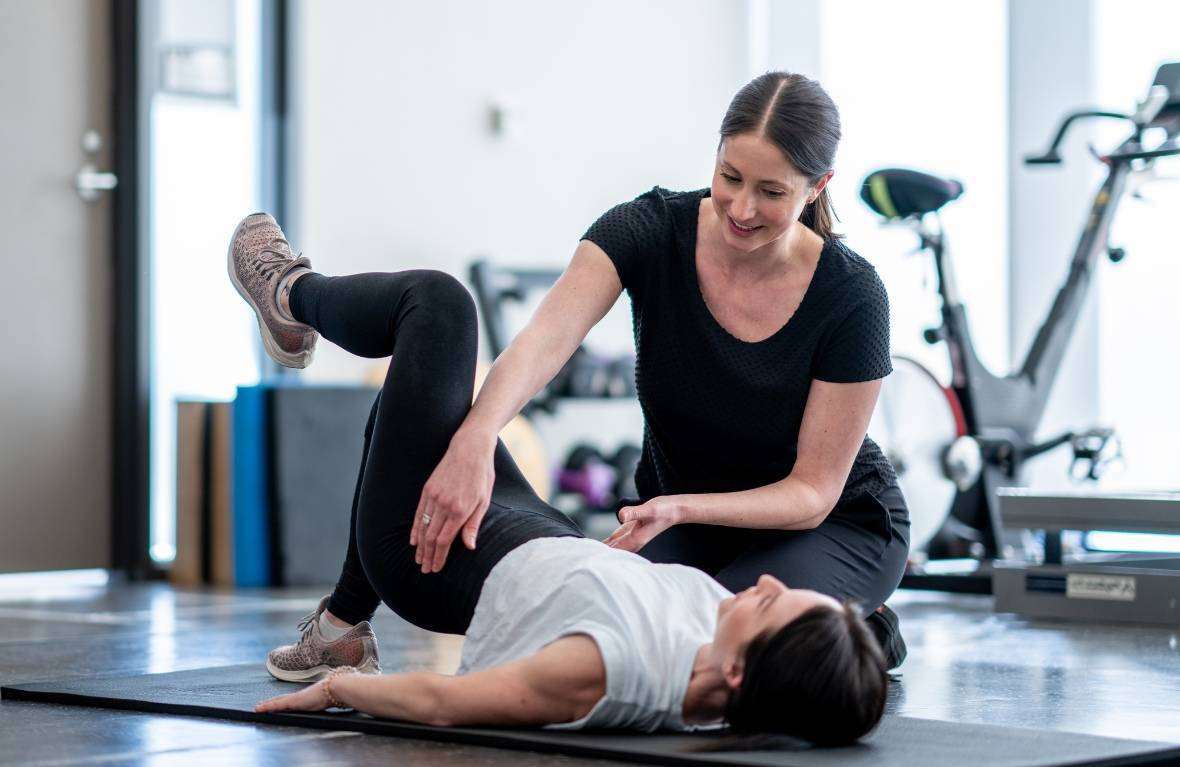
Perimenopausethe transitional phase before menopausecan be a challenging time for many women. Hormonal fluctuations during this period often bring a host of symptoms such as hot flashes, mood swings, sleep disturbances, joint pain, and changes in muscle strength. While these symptoms can be frustrating, physiotherapy offers a natural, effective way to manage and alleviate many of the physical and hormonal changes women experience during perimenopause.
In this blog, well explore how physiotherapy can support women through perimenopause by reducing symptoms, improving function, and enhancing overall well-being.
What Is Perimenopause?
Perimenopause is the phase leading up to menopause when the ovaries gradually produce less estrogen and progesterone. This hormonal shift can begin as early as the mid-30s but typically starts in the 40s. Perimenopause lasts until menopause, defined as 12 consecutive months without a menstrual period.
During this time, women may experience irregular cycles, hot flashes, night sweats, mood changes, weight gain, and musculoskeletal discomfort.
How Physiotherapy Supports Perimenopausal Health
Managing Joint and Muscle Pain
Decreased estrogen levels can lead to joint stiffness, muscle weakness, and increased risk of osteoporosis. Physiotherapy strengthens muscles and improves joint mobility through targeted exercises, reducing pain and enhancing function.
Improving Balance and Preventing Falls
Perimenopausal women may experience changes in balance and coordination. Physiotherapists design balance training and functional movement programs to reduce fall risk and maintain independence.
Enhancing Cardiovascular Health
Regular physiotherapy-guided aerobic exercise supports heart health, which becomes increasingly important as estrogen declines.
Addressing Pelvic Floor Dysfunction
Hormonal changes can weaken pelvic floor muscles, leading to urinary incontinence or pelvic organ prolapse. Pelvic floor physiotherapy strengthens these muscles and restores control.
Supporting Mental Health and Sleep
Physiotherapy techniques such as relaxation training and breathing exercises help reduce anxiety, improve sleep quality, and manage stress, all of which are often disrupted during perimenopause.
Exercise Recommendations During Perimenopause
Strength Training: At least two sessions per week to combat muscle loss and improve metabolism.
Weight-Bearing Activities: Such as walking or jogging to support bone density.
Flexibility and Balance: Yoga, Pilates, or balance exercises to maintain mobility and prevent falls.
Aerobic Exercise: Moderate-intensity cardio for cardiovascular and mental health benefits.
Lifestyle Tips to Complement Physiotherapy
Nutrition: Focus on calcium, vitamin D, and protein to support bones and muscles.
Hydration: Helps manage hot flashes and overall health.
Sleep Hygiene: Establish consistent routines and create a calming bedtime environment.
Stress Management: Mindfulness and relaxation practices enhance well-being.
Why Choose Your Forms UX (YFS) for Perimenopausal Support?
Our physiotherapists at YFS in Canada are trained in womens health and understand the unique challenges of perimenopause. We offer personalized assessments and tailored programs to help you navigate this transition with confidence and comfort.
Conclusion
Perimenopause doesnt have to be a period of decline or discomfort. With the right physiotherapy support, women can manage symptoms effectively, maintain strength and mobility, and enhance quality of life. By combining expert care with lifestyle adjustments, you can embrace this new phase of life feeling empowered and balanced.
If youre experiencing perimenopausal symptoms and want to explore how physiotherapy can help, Your Forms UX is here to support your journey toward wellness.