Improving Postpartum Recovery with Hormonal-Supportive Physiotherapy explores targeted strategies for recovery. Discover new paths to mobility, healing, and personalized care.

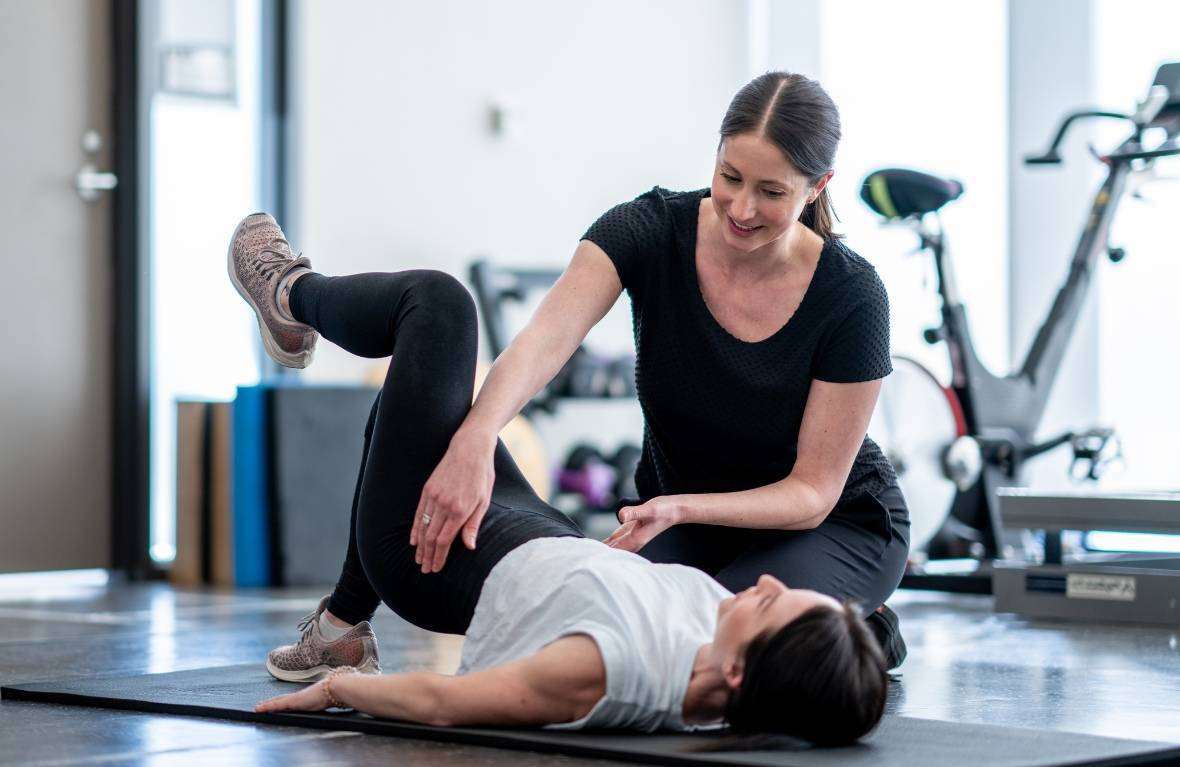
Bringing a new life into the world is an incredible journey, but postpartum recovery can be challenging both physically and emotionally. After childbirth, your body is flooded with hormonal changes, physical strain, and emotional shifts that require special care. Physiotherapy tailored to support these hormonal transitions can significantly enhance your recovery, helping you regain strength, reduce pain, and feel like yourself again.
At YourFormsUX in Canada, we understand that postpartum healing isnt just about the physicalits about supporting your entire well-being. Heres how hormonal-supportive physiotherapy can help new mothers bounce back healthier and stronger.
Understanding Postpartum Hormonal Changes
After delivery, estrogen and progesterone levels drop dramatically. This sudden shift affects mood, energy, and tissue healing. At the same time, oxytocin and prolactin rise to support breastfeeding and bonding, but they also influence muscle tone and emotional health.
These hormonal changes, combined with the physical impact of pregnancy and birth, create a unique recovery process requiring specialized care.
Why Physiotherapy Is Essential Postpartum
Physiotherapy offers targeted support for the bodys healing during this sensitive period. Heres what it addresses:
1. Pelvic Floor Rehabilitation
Pregnancy and childbirth can weaken or damage pelvic floor muscles, leading to incontinence, pelvic pain, or prolapse. Physiotherapists assess and treat pelvic floor dysfunction through exercises and manual therapy, helping restore muscle strength and coordination.
2. Core and Abdominal Strengthening
The abdominal muscles stretch and sometimes separate (diastasis recti) during pregnancy. Physiotherapy helps rebuild core strength safely, improving posture and reducing back pain.
3. Managing Hormonal Mood Fluctuations
Postpartum hormonal shifts can trigger mood swings, anxiety, or depression. Physiotherapy incorporates relaxation, breathing exercises, and gentle movement to reduce stress and support mental health.
4. Addressing Musculoskeletal Pain
Carrying, feeding, and caring for a newborn often cause neck, back, and shoulder pain. Physiotherapy targets these areas with posture correction, manual therapy, and ergonomic advice to relieve discomfort.
5. Enhancing Circulation and Healing
Manual therapy improves blood flow, which aids tissue repair and reduces swelling, supporting your bodys natural recovery processes.
How Hormonal-Supportive Physiotherapy Differs
Physiotherapists trained in womens health recognize that hormonal shifts influence tissue elasticity, pain perception, and recovery rates. Treatments are tailored to respect these factors, avoiding overly aggressive techniques while promoting gentle, effective healing.
Benefits Beyond the Physical
Postpartum physiotherapy also supports confidence and empowerment, helping new mothers reconnect with their bodies after the major changes of pregnancy and birth. This holistic approach promotes emotional well-being alongside physical recovery.
Why Choose YourFormsUX?
At YourFormsUX in Canada, our womens health physiotherapists specialize in postpartum care. We provide compassionate, personalized treatment plans that prioritize your unique recovery needs. Whether its pelvic floor rehab, posture correction, or managing emotional stress, were here to guide you toward a balanced and strong postpartum journey.
Final Thoughts
Postpartum recovery is a complex process influenced heavily by hormonal changes. Hormonal-supportive physiotherapy offers a natural, effective way to heal, rebuild, and regain well-being after childbirth.
If youre navigating the postpartum period and want expert physiotherapy support, YourFormsUX is ready to help you thrive. Reach out today and take the first step toward a healthier postpartum recovery.