How to Strengthen Your Pelvic Floor During Hormonal Transitions with Physiotherapy explores targeted strategies for recovery. Discover new paths to mobility, healing, and personalized care.

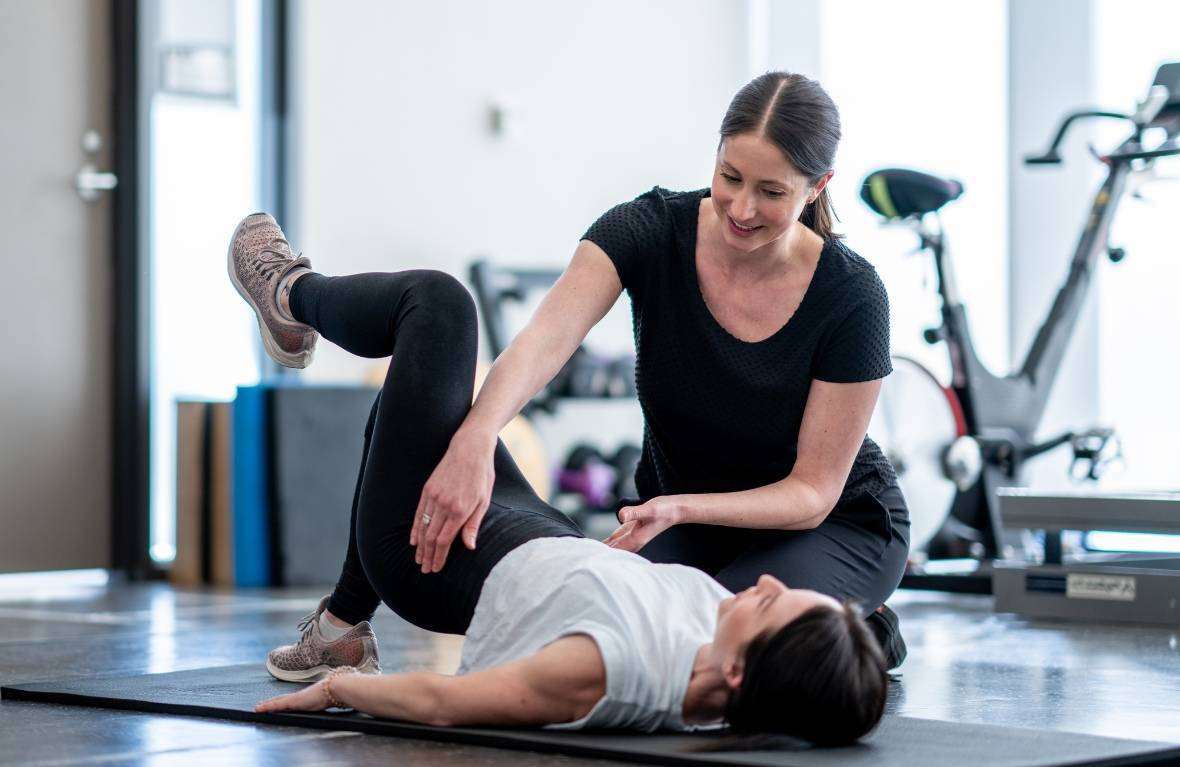
Hormonal transitionswhether during puberty, pregnancy, postpartum, or menopausebring about significant changes in a womans body. One area often affected, yet sometimes overlooked, is the pelvic floor. The pelvic floor muscles play a crucial role in supporting the bladder, uterus, and bowel, and maintaining core stability. When hormones fluctuate, these muscles can weaken or become imbalanced, leading to discomfort, incontinence, or even pelvic organ prolapse. Fortunately, physiotherapy offers an effective and natural way to strengthen your pelvic floor during these times.
Why Hormonal Transitions Affect the Pelvic Floor
Hormones like estrogen and progesterone influence the elasticity and strength of connective tissues. During times of hormonal shifts, such as menopause or postpartum, declining estrogen levels can cause pelvic floor muscles to lose tone and resilience. Pregnancy and childbirth also place extra pressure on these muscles, sometimes causing stretching or tearing.
When the pelvic floor weakens, common symptoms include:
Urinary incontinence or urgency
Pelvic heaviness or discomfort
Lower back or hip pain
Difficulty with bowel movements
Reduced sexual sensation or discomfort during intercourse
Strengthening the pelvic floor is vital not only for physical comfort but for overall quality of life.
How Physiotherapy Can Help Strengthen Your Pelvic Floor
Physiotherapists trained in pelvic health use a range of targeted techniques designed to restore muscle strength, coordination, and endurance. Heres how physiotherapy supports pelvic floor health during hormonal transitions:
Personalized Assessment
A physiotherapist begins with a thorough evaluation to assess muscle strength, tone, and any dysfunction. This personalized assessment ensures your treatment plan targets your unique needs, which is crucial as every hormonal transition affects women differently.
Pelvic Floor Muscle Training (PFMT)
Also known as Kegel exercises, PFMT is the foundation of pelvic floor physiotherapy. Under guidance, youll learn to contract and relax these muscles correctly. Proper technique is key, as many women unintentionally engage the wrong muscles.
Biofeedback and Electrical Stimulation
For some, activating pelvic muscles can be challenging. Biofeedback uses sensors to provide real-time feedback on muscle activity, helping you identify and engage the right muscles. Electrical stimulation may also be employed to gently stimulate weak muscles.
Manual Therapy and Soft Tissue Release
Physiotherapists may use hands-on techniques to release tension or adhesions in the pelvic floor and surrounding areas, improving blood flow and muscle function.
Core and Posture Training
Pelvic floor health is closely linked to core stability and posture. Physiotherapy includes exercises to strengthen the deep abdominal muscles and improve posture, reducing unnecessary strain on the pelvic floor.
Education and Lifestyle Advice
Your physiotherapist will guide you on daily habitslike proper lifting techniques, bladder and bowel habits, and safe exercise routinesto protect your pelvic floor during hormonal changes.
Benefits Beyond Muscle Strength
Physiotherapy doesnt just build muscleit helps you regain confidence and control over your body. Strengthening the pelvic floor can improve bladder and bowel function, reduce pelvic pain, enhance sexual health, and prevent long-term complications like pelvic organ prolapse.
When to Seek Physiotherapy Support
If youre experiencing pelvic discomfort, leakage, or any symptoms related to pelvic floor dysfunction during puberty, pregnancy, postpartum, or menopause, consulting a pelvic health physiotherapist early can make a big difference. Early intervention helps prevent symptoms from worsening and supports your bodys natural resilience during hormonal changes.
Final Thoughts
Hormonal transitions are powerful times of change for a womans body. Your pelvic floor plays a vital role in your overall well-being during these phases. With specialized physiotherapy, you can strengthen, protect, and restore pelvic health, empowering you to navigate these life stages with confidence and comfort. Remember, your body is uniquework with a trusted physiotherapist to tailor a plan that fits your journey.