How to Ease Digestive Issues During Hormonal Shifts with Physiotherapy explores targeted strategies for recovery. Discover new paths to mobility, healing, and personalized care.

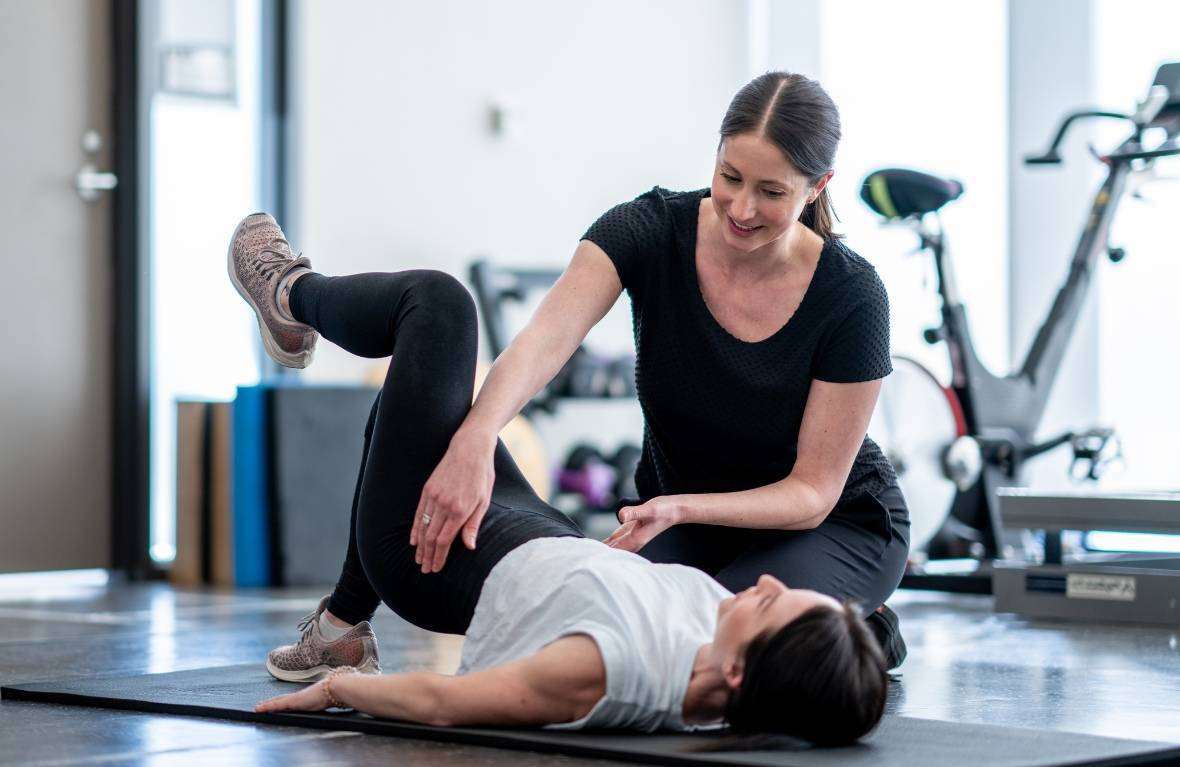
Digestive issues are a common but often overlooked challenge women face during hormonal shifts. Whether its bloating, constipation, diarrhea, or abdominal discomfort, these symptoms can significantly impact daily life. The good news? Physiotherapy offers effective strategies to ease digestive problems by targeting the musculoskeletal and nervous systems that influence gut health.
Lets dive into how hormonal changes affect digestion and how physiotherapy can support your digestive system during these times.
The Link Between Hormones and Digestion
Hormones such as estrogen and progesterone have a direct impact on the digestive tract. For example, rising progesterone levels during the menstrual cycle or pregnancy can slow down intestinal movement, leading to constipation. Conversely, hormonal fluctuations can also cause spasms or increased motility, triggering diarrhea or cramps.
Stress hormones like cortisol can worsen digestive symptoms by disrupting the gut-brain connection and affecting gut motility and inflammation. When hormones are out of balance, digestive discomfort often follows.
Why Physiotherapy Helps Digestive Health During Hormonal Changes
Physiotherapy goes beyond muscle and joint careit addresses the complex relationship between your bodys structural system and digestive function. Heres how physiotherapy supports digestion during hormonal shifts:
Improving Abdominal and Core Muscle Function
Strong and coordinated core muscles support proper digestion by encouraging healthy movement of the intestines. Physiotherapists teach exercises that enhance core stability and promote efficient abdominal muscle engagement, which can relieve pressure and improve bowel function.
Manual Therapy to Release Abdominal Tension
Muscle tightness or fascial restrictions around the abdomen can impair digestive motility. Skilled manual therapy techniques help release tension in the abdominal wall and pelvic floor, promoting relaxation and better digestion.
Pelvic Floor Physiotherapy
The pelvic floor plays a role in bowel control and function. During hormonal changes, pelvic floor muscles may become tight or weak, contributing to constipation or incontinence. Physiotherapy targets these muscles to restore balance and improve bowel movements.
Breathing and Relaxation Techniques
Stress worsens digestive symptoms, so physiotherapy incorporates breathing exercises to activate the parasympathetic nervous systemthe bodys rest and digest mode. This helps reduce gut inflammation, improve motility, and ease discomfort.
Postural Correction
Poor posture compresses the abdomen and can negatively affect digestive organs. Physiotherapists assess and correct posture to relieve abdominal pressure and enhance organ function.
Movement and Exercise Guidance
Regular, gentle exercise improves digestion by stimulating intestinal activity. Physiotherapists design movement plans suitable for your hormonal phase and physical condition to support digestive health without causing fatigue or strain.
When to Consider Physiotherapy for Digestive Issues
If youre experiencing ongoing digestive discomfort linked to your menstrual cycle, pregnancy, postpartum, or menopause, physiotherapy can be a vital part of your care. Addressing physical restrictions and muscle imbalances often helps symptoms that dont respond fully to dietary changes or medication.
Integrating Physiotherapy into Your Hormonal Health Routine
Combining physiotherapy with nutritional support, stress management, and medical care creates a comprehensive strategy for managing digestive issues during hormonal shifts. This holistic approach ensures your body functions optimally as your hormones fluctuate.
Final Thoughts
Digestive issues during hormonal transitions can be frustrating and disruptive, but they dont have to be a permanent part of your experience. Physiotherapy offers targeted, effective methods to ease symptoms by addressing the physical contributors to digestive health. If you want to support your gut through hormonal changes naturally and improve your quality of life, consider consulting a physiotherapist who specializes in womens health.