Managing Endometriosis Pain with Cycle-Syncing Physiotherapy explores targeted strategies for recovery. Discover new paths to mobility, healing, and personalized care.

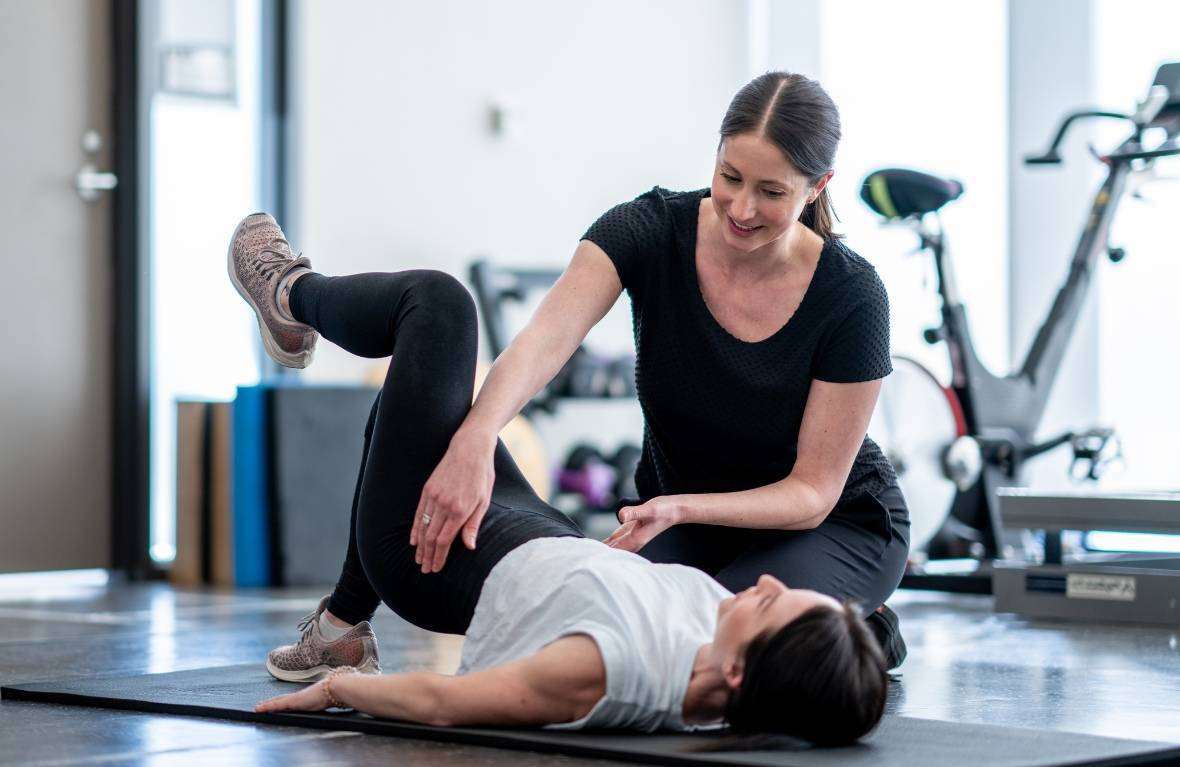
Endometriosis is a chronic condition that affects millions of women worldwide. Its characterized by the growth of tissue similar to the uterine lining outside the uterus, leading to pain, inflammation, and often a significant impact on daily life. Managing endometriosis pain is complex, but emerging research and clinical practice highlight the benefits of physiotherapyespecially when its tailored to sync with your menstrual cycle.
In this blog, well explore how cycle-syncing physiotherapy can help manage endometriosis pain, improve function, and enhance overall well-being.
What Is Cycle-Syncing Physiotherapy?
Cycle-syncing physiotherapy means adjusting your treatment and exercise plan according to the different phases of your menstrual cycle. Since hormone levels fluctuate throughout the cycle, symptoms and physical responses also change. By aligning physiotherapy with these phases, treatment becomes more effective and personalized.
Understanding Endometriosis Pain and Hormonal Influence
Endometriosis pain isnt just from the tissue growth; it also involves pelvic floor muscle tension, nerve sensitization, and inflammation. Hormonal fluctuations throughout the cycle can amplify these symptoms, with many women experiencing peak pain during menstruation and ovulation.
How Physiotherapy Supports Endometriosis Management
Pelvic Floor Muscle Release and Relaxation
Endometriosis often causes pelvic floor muscles to become tense or spastic, which worsens pain. Physiotherapists use manual therapy and relaxation techniques to reduce muscle tension and improve blood flow.
Targeted Exercise and Stretching
Exercise helps maintain mobility and reduce stiffness. In cycle-syncing physiotherapy, low-impact exercises like gentle yoga or pelvic stretches are timed according to your cycle to avoid exacerbating pain during sensitive phases.
Pain Management Techniques
Physiotherapists employ methods such as myofascial release, trigger point therapy, and nerve gliding to alleviate pain caused by muscle and nerve irritation related to endometriosis.
Postural and Core Stability Work
Improving posture and core muscle strength supports pelvic alignment, which can reduce strain on affected areas and decrease discomfort.
Education and Self-Care Strategies
Youll learn how to manage symptoms at home with breathing exercises, relaxation, and appropriate activity modifications, empowering you to take control of your pain.
Why Sync with Your Cycle?
Hormonal levels directly influence muscle tone, inflammation, and pain perception. For example:
During the follicular phase (first half of the cycle), estrogen levels rise, which can improve tissue elasticity and pain tolerance, making it an ideal time for strengthening exercises.
In the luteal phase (second half), progesterone dominates, which can increase muscle tension and sensitivity, suggesting a focus on gentle stretching and relaxation.
By syncing physiotherapy interventions with these phases, treatment is gentle when your body needs it and more active when youre primed for strengthening.
Benefits of Cycle-Syncing Physiotherapy for Endometriosis
Reduced pelvic pain and muscle tension
Improved pelvic floor function and control
Enhanced ability to engage in daily activities and exercise
Greater understanding of your bodys needs through hormonal cycles
Increased quality of life and emotional well-being
When to Seek Physiotherapy for Endometriosis
If you experience chronic pelvic pain, painful periods, or discomfort during intercourse linked to endometriosis, physiotherapy can be an essential part of your care. It complements medical and surgical treatments by addressing the musculoskeletal components of pain.
Final Thoughts
Endometriosis pain can feel overwhelming, but with the right approach, you can manage symptoms effectively. Cycle-syncing physiotherapy offers a thoughtful, personalized way to support your body through the ups and downs of your menstrual cycle, reducing pain and enhancing function. If youre living with endometriosis, working with a physiotherapist who understands hormonal cycles can help you regain control and improve your quality of life.