The Link Between Hormonal Changes and Physical Wellness explores targeted strategies for recovery. Discover new paths to mobility, healing, and personalized care.

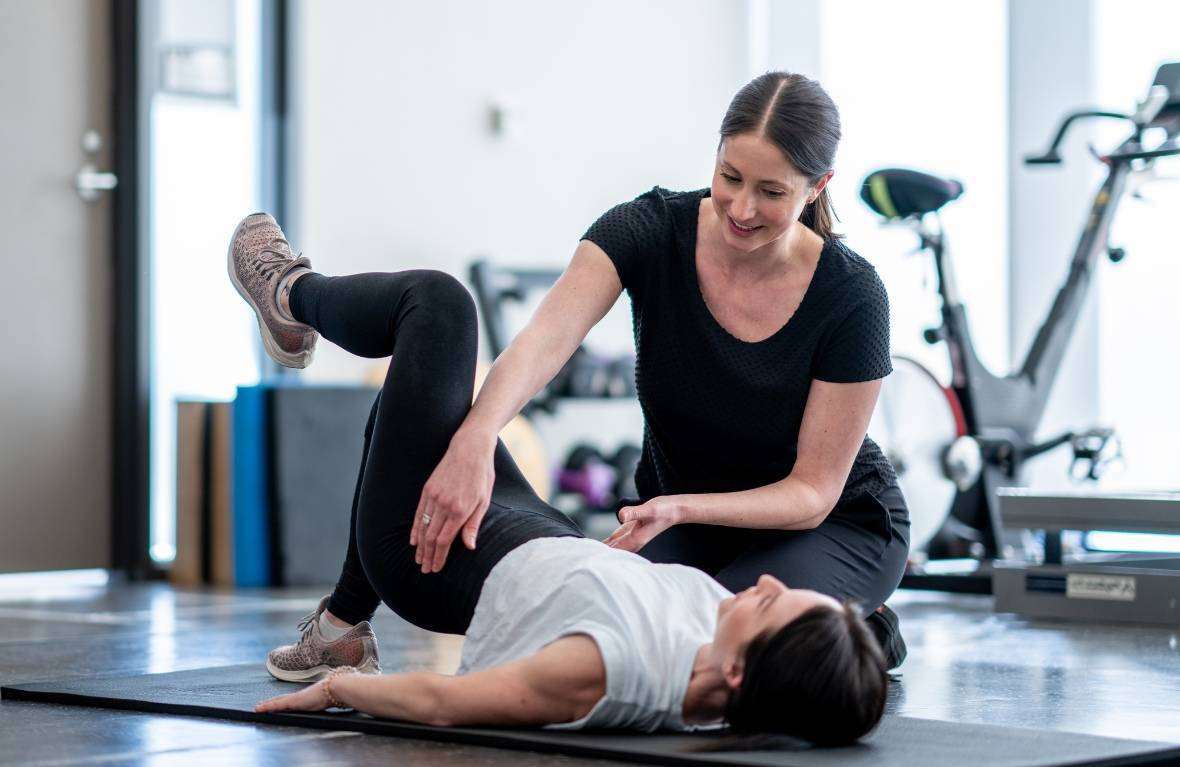
Hormonal changes are a natural part of life, but their effects on physical wellness can sometimes feel overwhelming. Whether youre navigating puberty, pregnancy, postpartum recovery, or menopause, shifts in hormone levels impact your bodys strength, flexibility, balance, and overall function. Understanding the connection between these hormonal changes and physical health is essentialand physiotherapy offers targeted support to help you maintain wellness through every transition.
At YourFormsUX.com in Canada, were dedicated to highlighting how physiotherapy can bridge the gap between hormonal fluctuations and physical vitality.
How Hormonal Changes Affect Physical Wellness
Hormones like estrogen, progesterone, testosterone, and cortisol regulate key bodily processes such as muscle maintenance, bone density, joint health, and energy metabolism. When these hormones fluctuate:
Muscle Mass and Strength May Decline: Decreased estrogen during menopause can lead to muscle weakness.
Bone Density Can Drop: Lower hormone levels increase osteoporosis risk.
Joint Stiffness and Pain: Hormonal shifts can reduce joint lubrication, leading to discomfort.
Balance and Coordination Issues: Changes may affect the nervous systems control over movement.
Energy and Fatigue: Hormonal imbalance can cause persistent tiredness and reduced endurance.
These physical challenges can impact daily activities, mobility, and quality of life if left unmanaged.
Physiotherapy: A Key to Maintaining Physical Wellness
Physiotherapy targets these challenges through a holistic and individualized approach:
Strength Training and Conditioning
Building and maintaining muscle strength is vital during hormonal transitions. Physiotherapists develop tailored strength training programs that protect joints and improve functional capacity.
Bone Health Support
Weight-bearing and resistance exercises prescribed by physiotherapists help stimulate bone growth and reduce the risk of fractures.
Joint Mobility and Flexibility
Through stretching and manual therapy, physiotherapy enhances joint lubrication and range of motion, easing stiffness.
Balance and Proprioception Training
To counteract hormonal effects on coordination, physiotherapy includes exercises that improve balance, reducing fall risk.
Fatigue Management
Physiotherapists incorporate pacing strategies and energy conservation techniques to help manage fatigue and improve endurance.
Personalized Care for Different Hormonal Stages
Every hormonal stage requires unique considerations:
Puberty: Focus on posture, flexibility, and injury prevention.
Pregnancy: Emphasis on pelvic floor health, back pain relief, and safe movement.
Postpartum: Support core strength recovery and address musculoskeletal changes.
Menopause: Concentrate on bone density, joint health, and cardiovascular fitness.
The Broader Benefits of Physiotherapy in Hormonal Wellness
Beyond physical improvements, physiotherapy enhances confidence and mental well-being. Feeling strong, mobile, and pain-free positively impacts mood and motivation, creating a virtuous cycle of health.
Taking the Next Step
If hormonal changes are affecting your physical wellness, a consultation with a physiotherapist can help you create a personalized plan to maintain strength, mobility, and balance. Integrating physiotherapy into your health routine is a proactive way to face hormonal transitions with resilience and vitality.