Understanding How Your Cycle Affects Your Workouts with Physiotherapy explores targeted strategies for recovery. Discover new paths to mobility, healing, and personalized care.

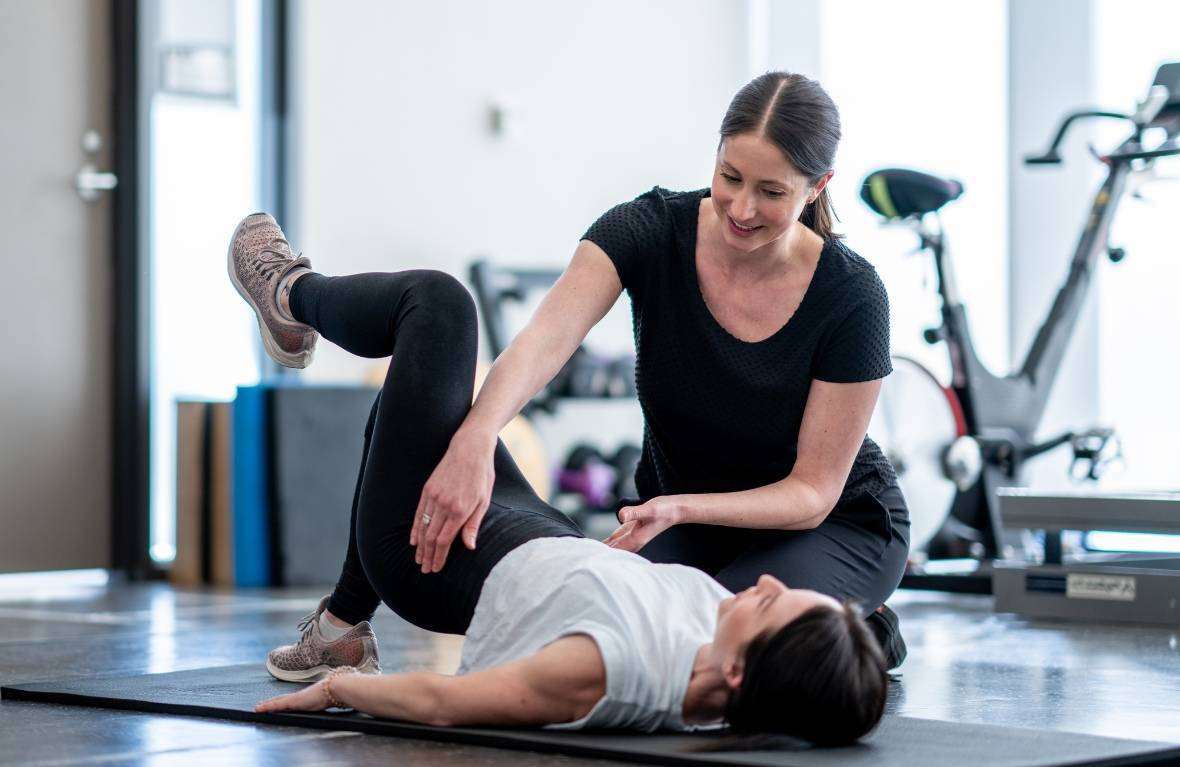
For many women, the menstrual cycle brings a variety of physical and emotional changes that can directly impact fitness routines and exercise performance. Understanding how your cycle affects your workouts is key to staying consistent, avoiding injury, and maximizing results. Physiotherapy plays an important role in helping you listen to your body and adapt your exercise plan through each phase of your cycle, making your fitness journey smoother and more effective.
The Menstrual Cycle and Its Phases
The menstrual cycle is divided into four main phases: menstrual, follicular, ovulation, and luteal. Each phase involves distinct hormonal fluctuationsprimarily changes in estrogen and progesteronethat influence energy levels, strength, flexibility, and even pain sensitivity.
Menstrual Phase: This is when bleeding occurs, and hormone levels are generally low.
Follicular Phase: Estrogen starts to rise, increasing energy and mood.
Ovulation Phase: Estrogen peaks, often leading to heightened strength and endurance.
Luteal Phase: Progesterone rises, sometimes causing fatigue, bloating, and mood shifts.
How Hormones Influence Your Workout
During the follicular and ovulation phases, elevated estrogen boosts your energy, muscle recovery, and pain tolerance. These are the best times for high-intensity workouts like strength training, interval training, and endurance sessions. You may find yourself feeling stronger, faster, and more motivated.
In contrast, the menstrual and luteal phases often bring fatigue, cramps, and lower pain tolerance. During these times, its important to listen to your body and opt for gentler exercises, such as yoga, stretching, or light cardio, to avoid overexertion or injury.
Role of Physiotherapy in Cycle-Aware Training
Physiotherapists specializing in womens health understand these cyclical changes and design exercise programs that align with your menstrual phases. They can help you optimize training intensity and recovery periods to complement hormonal shifts. This tailored approach prevents burnout and reduces the risk of injury associated with hormonal fluctuations.
Managing Menstrual Discomfort During Workouts
Menstrual cramps, lower back pain, and pelvic discomfort can deter exercise participation. Physiotherapy provides effective strategies to manage these symptoms. Techniques like manual therapy, pelvic floor exercises, and targeted stretching can relieve pain and improve mobility, allowing you to stay active during your period.
Pelvic Floor Health and Hormonal Changes
Hormonal fluctuations affect pelvic floor muscles, which support the bladder, uterus, and bowel. Weak or overactive pelvic floor muscles can cause issues like incontinence or discomfort during workouts. Physiotherapists guide you through strengthening and relaxation exercises that protect pelvic health and enhance workout comfort and performance.
Injury Prevention Across the Cycle
Research shows that ligament laxity can increase during certain phases of the menstrual cycle due to estrogen effects, raising the risk of sprains and strains. Physiotherapy incorporates injury prevention strategies such as proprioceptive training, balance exercises, and muscle strengthening to safeguard joints and muscles, especially during vulnerable phases.
Recovery and Rest: Essential Components
Understanding when your body needs rest is just as important as knowing when to push hard. Physiotherapists help you plan recovery days that align with your hormonal cycle, ensuring you dont compromise progress or well-being by overtraining during sensitive phases.
Practical Tips for Cycle-Smart Workouts
Track your cycle to identify phases and symptoms.
Adjust workout intensity based on energy and pain levels.
Incorporate pelvic floor exercises regularly.
Use heat therapy or gentle stretching during cramps.
Prioritize rest and recovery in the luteal and menstrual phases.
Consult a physiotherapist for personalized guidance.
Why Choose Physiotherapy for Hormonal Fitness Support in Canada?
Canadas healthcare system supports specialized physiotherapy care for womens health, including hormonal and menstrual cycle considerations. Physiotherapists here bring a holistic, evidence-based approach, ensuring your workouts support your cycle rather than working against it.
Conclusion
Your menstrual cycle influences much more than just your periodit impacts your workout capacity, injury risk, and recovery needs. By understanding these changes and working with a physiotherapist, you can tailor your fitness routine to your bodys natural rhythms, leading to better performance, fewer injuries, and a more enjoyable fitness journey.
If you struggle with managing workouts during your cycle, consider consulting a physiotherapist who can provide personalized strategies to help you stay active and balanced throughout every phase.