How to Manage PMS Symptoms and Hormonal Fluctuations with Physiotherapy explores targeted strategies for recovery. Discover new paths to mobility, healing, and personalized care.

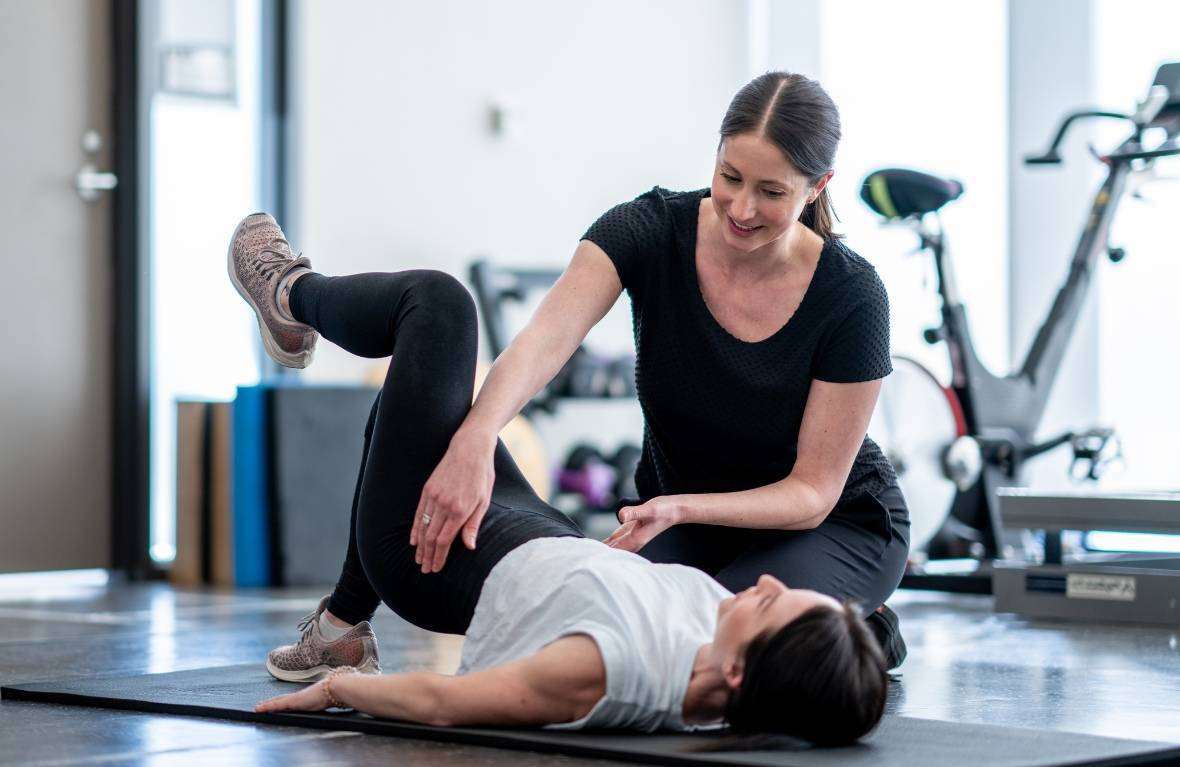
Premenstrual Syndrome (PMS) affects many women with symptoms ranging from mood swings and bloating to cramps and fatigue. These hormonal fluctuations can disrupt daily life and reduce overall wellbeing. While medication and lifestyle changes often help, physiotherapy is an underutilized yet powerful way to manage PMS symptoms naturally, improving comfort and quality of life.
Understanding PMS and Hormonal Fluctuations
PMS symptoms result from changes in estrogen and progesterone levels in the luteal phase of the menstrual cycle. These hormonal shifts influence the nervous system, blood flow, muscle tension, and inflammation, causing common PMS complaints such as cramps, headaches, breast tenderness, mood changes, and fatigue.
How Physiotherapy Addresses PMS Symptoms
Physiotherapy offers a holistic approach to easing PMS discomfort by focusing on physical and neurological factors:
Pain Relief: Manual therapy, massage, and targeted stretching can relieve pelvic and lower back pain caused by muscle tension or cramps.
Improved Circulation: Techniques to boost blood flow reduce bloating and inflammation.
Pelvic Floor Health: Physiotherapists assess and treat pelvic floor dysfunction, which can exacerbate PMS symptoms.
Stress Reduction: Relaxation exercises and breathing techniques lower cortisol, reducing mood swings and anxiety.
Exercise Recommendations Tailored for PMS
Exercise can ease PMS symptoms by releasing endorphins, but intensity matters. Physiotherapy helps you design safe workout plans that vary with your cycle:
Luteal phase: Focus on low-impact activities like walking, swimming, or yoga to avoid overstressing the body.
Follicular phase: When symptoms ease, gradually increase strength training and aerobic workouts.
Breathing and Relaxation Techniques
Breathing exercises and mindfulness practices taught by physiotherapists help calm the nervous system, easing emotional symptoms like irritability, anxiety, and mood swings associated with PMS.
Lifestyle Tips Complementing Physiotherapy
Alongside physiotherapy, adopting healthy habits can further manage PMS:
Maintain a balanced diet rich in omega-3 fatty acids and antioxidants.
Prioritize sleep and avoid caffeine or alcohol before bedtime.
Use heat therapy or warm baths to relax muscles during cramps.
Why Physiotherapy in Canada?
Canadian physiotherapists are increasingly trained in womens health and hormonal care, offering specialized support for PMS management. The integrated care approach available in Canada ensures you receive comprehensive treatment that addresses both physical and emotional symptoms.
Conclusion
PMS and hormonal fluctuations dont have to disrupt your life. Physiotherapy provides effective strategies to reduce pain, improve circulation, support pelvic health, and manage stressempowering you to feel better naturally throughout your cycle.
If PMS symptoms interfere with your daily activities, consulting a physiotherapist can help you regain comfort and balance, improving your overall quality of life.