How Physiotherapy Helps with Hormonal Discomfort During Pregnancy explores targeted strategies for recovery. Discover new paths to mobility, healing, and personalized care.

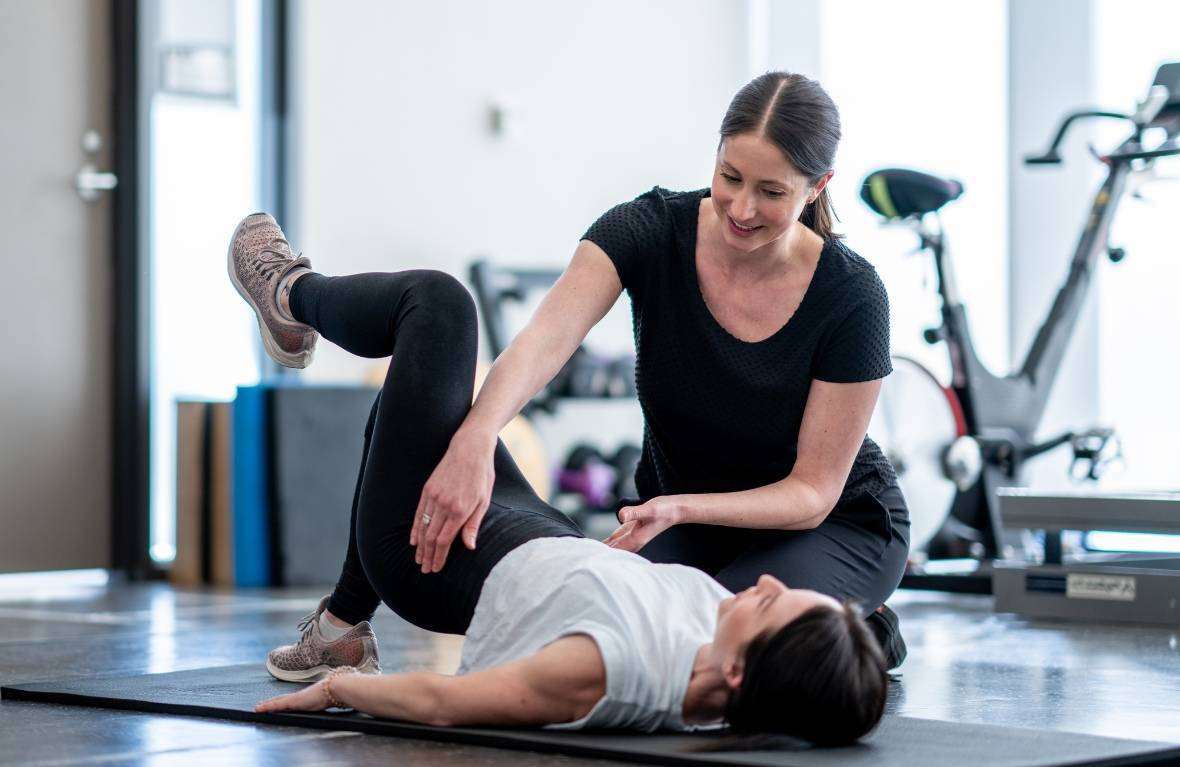
Hormonal imbalances can feel like a rollercoaster, throwing your body and mind out of sync. Whether caused by stress, lifestyle, or medical conditions, symptoms such as fatigue, weight changes, mood swings, and muscle pain can significantly affect your quality of life. But did you know physiotherapy can play a key role in managing these symptoms naturally and effectively?
At YourFormsUX.com, were passionate about helping you find holistic ways to restore balance. Lets explore how physiotherapy supports your body through hormonal imbalances and improves your overall health.
What Causes Hormonal Imbalances?
Hormonal imbalances occur when your body produces too much or too little of certain hormones like estrogen, progesterone, thyroid hormones, or cortisol. This imbalance can result from various factors:
Stress and adrenal fatigue
Thyroid dysfunction
Menopause or perimenopause
Polycystic ovary syndrome (PCOS)
Poor diet and sedentary lifestyle
Symptoms vary but often include fatigue, mood swings, muscle and joint pain, weight fluctuations, and digestive issues.
How Physiotherapy Helps Hormonal Imbalance Symptoms
Physiotherapy addresses the physical and emotional challenges caused by hormonal imbalances through a range of techniques tailored to your needs:
Pain Management and Muscle Relaxation
Muscle tension and joint pain often accompany hormonal imbalance. Physiotherapy uses manual therapy and therapeutic exercises to relieve muscle tightness and improve joint mobility, reducing pain and stiffness.
Improving Circulation and Lymphatic Flow
Hormonal changes can cause fluid retention and poor circulation. Techniques such as lymphatic drainage massage and guided movement enhance circulation, reducing swelling and discomfort.
Stress Reduction and Nervous System Regulation
Chronic stress impacts hormone levels negatively. Physiotherapy incorporates relaxation techniques, breathing exercises, and gentle movement to calm the nervous system and help regulate stress hormones like cortisol.
Exercise Prescription for Hormonal Health
Physical activity is vital in balancing hormones. Physiotherapists develop personalized exercise programs that boost metabolism, enhance insulin sensitivity, and support healthy weight managementall important for hormonal balance.
Postural and Core Strengthening
Hormonal imbalances can affect posture and muscle strength, especially around the pelvis and lower back. Strengthening these areas helps improve body mechanics, reducing pain and fatigue.
Benefits of Physiotherapy for Hormonal Imbalance
When combined with medical care, physiotherapy offers numerous benefits:
Reduced muscle and joint pain
Enhanced energy levels and reduced fatigue
Better mood regulation and stress management
Improved circulation and reduced swelling
Support for weight management and metabolic health
Integrating Physiotherapy Into Your Hormonal Health Plan
Physiotherapy works best when integrated into a comprehensive plan that includes nutrition, medical treatment, and lifestyle adjustments. Your physiotherapist will collaborate with your healthcare team to ensure your treatment supports your overall hormonal health goals.
When to Seek Physiotherapy for Hormonal Imbalance Symptoms
If youre experiencing persistent pain, fatigue, or mood changes linked to hormonal issues, consulting a physiotherapist can provide relief and improve your daily function. Women with PCOS, thyroid disorders, or menopausal symptoms often find physiotherapy especially helpful.
Final Thoughts: Regain Balance with Physiotherapy
Hormonal imbalances can disrupt your life, but they dont have to define it. Physiotherapy offers a natural, empowering approach to managing symptoms by addressing the physical and emotional effects of hormone fluctuations.
If youre ready to take control of your hormonal health and improve your quality of life, physiotherapy could be a vital part of your wellness journey.