How Physiotherapy Relieves Hot Flashes, Fatigue, and Other Menopausal Symptoms explores targeted strategies for recovery. Discover new paths to mobility, healing, and personalized care.

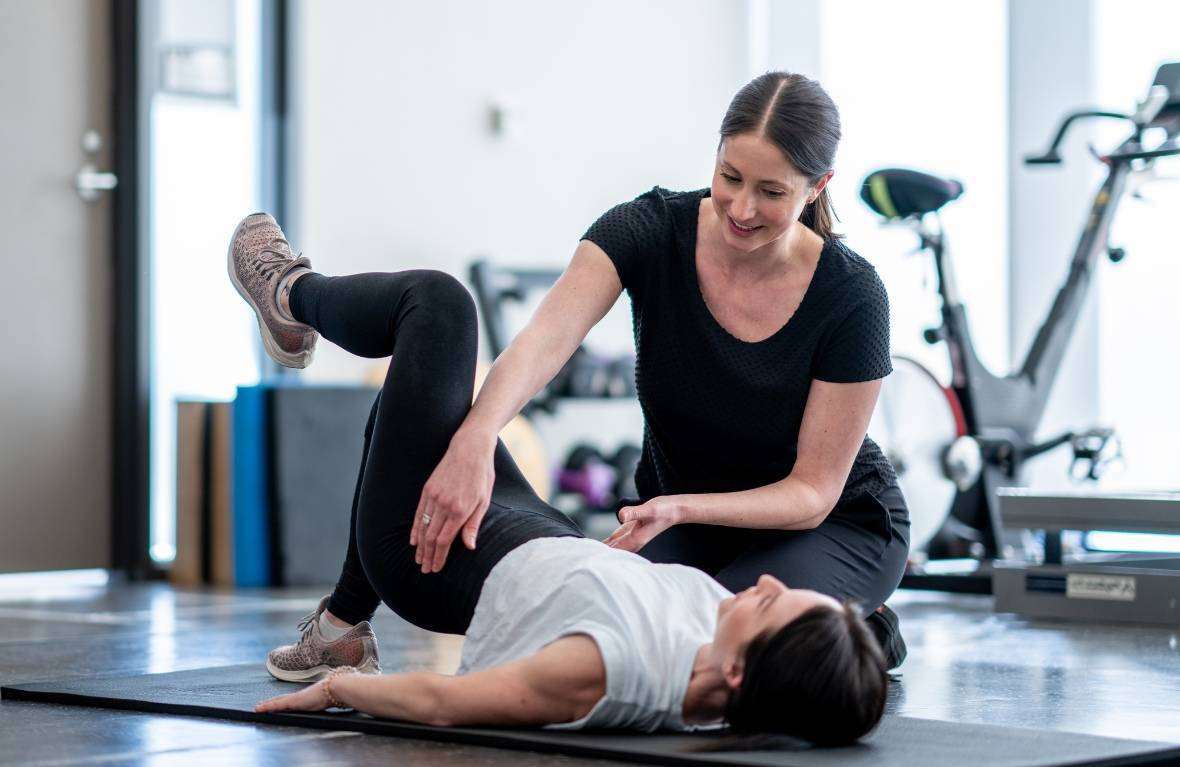
Lets talk menopause that inevitable phase in every womans life that comes with its own set of not-so-fun companions: hot flashes, fatigue, mood swings, joint pain, sleep problems… the list goes on. While hormone therapy and medications are common go-tos, more women are now turning to a gentler, more holistic path: physiotherapy.
Yes, you read that right. Physiotherapy isnt just for sports injuries or post-surgery rehab. Its fast becoming a powerful tool for managing the physical and emotional rollercoaster of menopause. Heres how.
1. Taming the Heat: How Physiotherapy Helps with Hot Flashes
Hot flashes can hit like a heatwave out of nowhere day or night leaving you drenched in sweat and desperate for relief. While physiotherapy doesnt “cure” hot flashes per se, certain techniques can help regulate your nervous system, which plays a major role in how your body handles temperature shifts.
Breathing exercises, guided relaxation, and gentle aerobic activity all part of a targeted physio program help lower stress levels and stabilize body temperature responses, making hot flashes less intense and easier to manage.
2. Boosting Energy & Battling Fatigue
Menopausal fatigue is real. It’s more than just being tired it’s bone-deep exhaustion that doesnt go away with sleep. Thats where physiotherapy can truly shine.
Physiotherapists can create personalized exercise routines that gradually boost your stamina without overexerting you. Think of it like a slow recharge for your internal battery. Add in stretching, mobility work, and posture correction, and suddenly your body feels lighter, your circulation improves, and your energy levels begin to bounce back.
3. Managing Joint and Muscle Pain
Estrogen plays a big role in keeping your joints and muscles healthy. As it declines, stiffness, aches, and pain start to creep in. Physiotherapists are trained to address this head-on.
With manual therapy, joint mobilizations, and targeted strengthening exercises, they help reduce inflammation and improve movement. The goal? Less pain, more freedom, and a return to doing the things you love whether thats gardening, hiking, or dancing in the kitchen.
4. Improving Sleep Through Movement
Struggling to sleep through the night? Youre not alone. Hormonal changes often disrupt sleep cycles, and poor sleep makes every other symptom feel ten times worse.
Exercise especially low-impact, physiotherapist-approved activity has been shown to improve sleep quality. Add in calming routines like guided relaxation, progressive muscle relaxation, or Pilates-style movement, and youre giving your body the best shot at deeper, more restful sleep.
5. Mood Swings & Mental Health Support
Lets not forget the emotional side of menopause. Anxiety, depression, and mood swings are very common, but they dont have to take over your life. Physiotherapy supports mental well-being too.
Through movement-based therapy, breathing techniques, and mindfulness training, physiotherapy can help you reconnect with your body and calm the nervous system key to reducing emotional stress.
Tailored Care for Every Woman
One of the best things about physiotherapy? Its completely personalized. Whether youre dealing with hot flashes, sleep struggles, pelvic floor issues, or all of the above, a skilled physiotherapist will work with your unique symptoms, fitness level, and goals.
No pressure. No judgment. Just support, movement, and education all designed to help you feel strong, centered, and empowered through every stage of menopause.
Final Thoughts
Menopause might be natural, but that doesnt mean you have to suffer through it. Physiotherapy offers a compassionate, practical approach to easing symptoms like hot flashes, fatigue, and pain helping you thrive, not just survive, during this transition.
If youre curious, why not book a consultation with a physiotherapist who specializes in womens health? Your future self cool, calm, and well-rested will thank you.