How to Manage Your Menstrual Cycle with Physiotherapy explores targeted strategies for recovery. Discover new paths to mobility, healing, and personalized care.

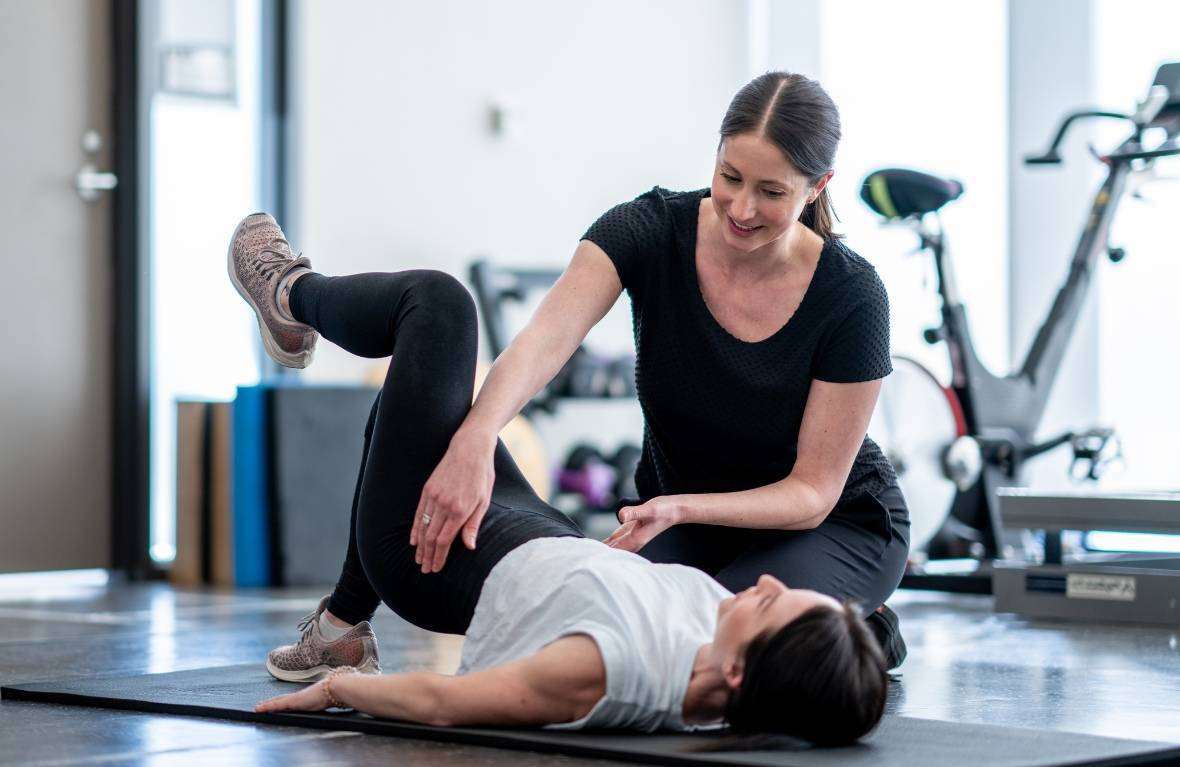
The menstrual cycle is a natural rhythm that influences much more than just your period. From energy levels and mood to muscle function and pain sensitivity, the fluctuations throughout your cycle can impact your daily life in many ways. Managing these changes effectively can make all the difference, and physiotherapy offers a powerful, natural approach to support your body during every phase of your cycle.
At YourFormsUX.com, we believe in empowering you with tools to take control of your menstrual health. Lets explore how physiotherapy can help you manage your menstrual cycle and ease common symptoms like cramps, fatigue, and mood swings.
Why Menstrual Cycle Management Matters
Your menstrual cycle is divided into phasesmenstrual, follicular, ovulation, and lutealeach accompanied by hormonal shifts. These hormonal changes affect your muscles, joints, and nervous system, leading to symptoms like:
Abdominal cramps and pelvic pain
Lower back discomfort
Fatigue and low energy
Mood fluctuations and irritability
Bloating and digestive issues
While these symptoms are common, they can disrupt work, exercise, and overall well-being if not managed properly.
How Physiotherapy Helps You Manage Your Menstrual Cycle
Physiotherapy offers a holistic approach to managing menstrual symptoms by addressing the physical changes your body undergoes during the cycle:
Pelvic Floor and Core Strengthening
The pelvic floor muscles support your reproductive organs and change with your cycle. Physiotherapists design targeted exercises to maintain strength and flexibility, reducing cramps and improving bladder control.
Pain Relief Techniques
Manual therapy, such as massage and myofascial release, helps relax tight muscles and reduce pelvic and lower back pain. Physiotherapy also promotes better blood flow, which can alleviate cramping.
Posture and Movement Adjustments
Hormonal changes can influence joint laxity and posture. Physiotherapy improves body alignment and guides you in safe movements that reduce strain and discomfort during different cycle phases.
Exercise Tailored to Your Cycle
Physiotherapists create customized exercise programs that align with your hormonal phases, optimizing energy use and recovery. For example, lighter activity during your period and more intense workouts during the follicular phase.
Stress Reduction and Relaxation
Breathing exercises, relaxation techniques, and gentle stretches taught by physiotherapists help manage mood swings and hormonal stress.
Benefits of Managing Your Cycle with Physiotherapy
Reduced menstrual pain and discomfort
Improved energy and mood stability
Enhanced pelvic health and bladder function
Better posture and decreased muscle tension
Empowerment through self-awareness and body control
When to Seek Physiotherapy for Menstrual Cycle Support
If your menstrual symptoms are severe or affect your daily life, physiotherapy can provide targeted relief and support. Women experiencing conditions like dysmenorrhea, pelvic floor dysfunction, or PMS particularly benefit from professional guidance.
Final Thoughts: Take Charge of Your Cycle with Physiotherapy
Managing your menstrual cycle is about more than copingits about thriving. Physiotherapy helps you understand and support your bodys natural rhythm, easing symptoms and improving your quality of life throughout each phase.
If you want to feel more balanced, comfortable, and empowered during your menstrual cycle, physiotherapy is a natural, effective tool to explore.