Physiotherapy and Cycle-Syncing for Maximum Hormonal Balance explores targeted strategies for recovery. Discover new paths to mobility, healing, and personalized care.

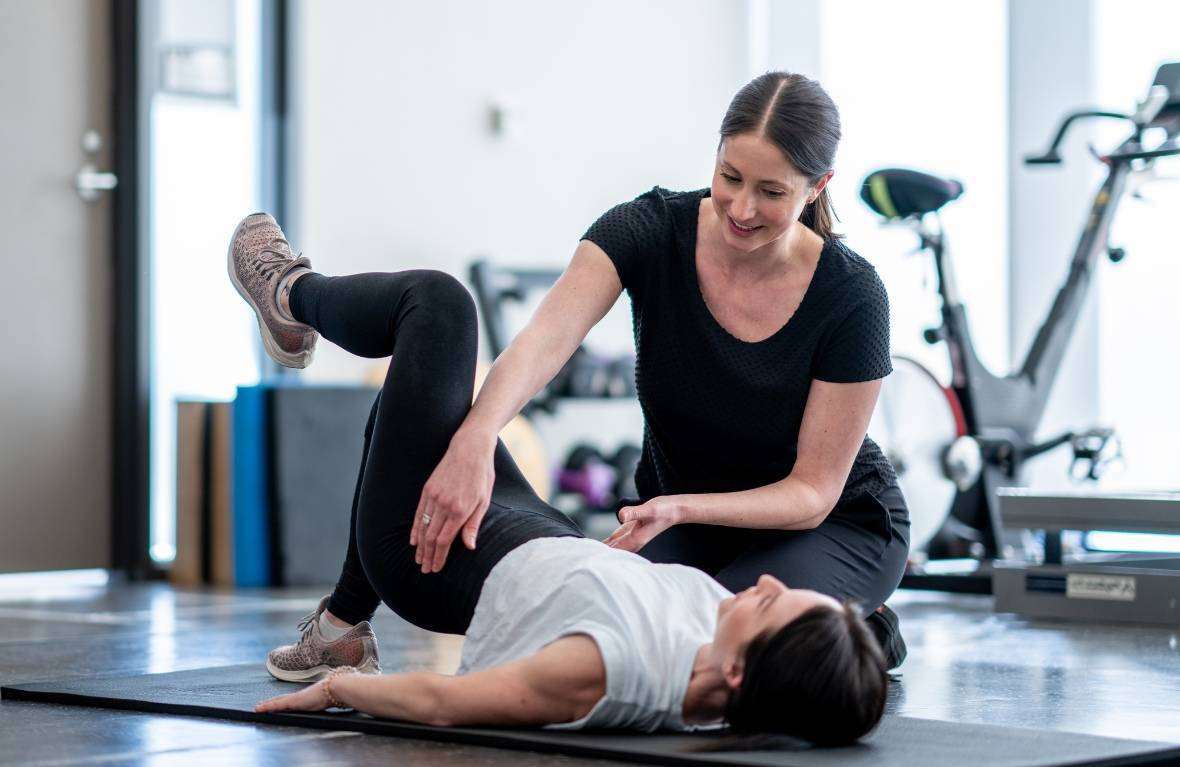
Have you ever noticed how your energy, mood, and physical performance change throughout your menstrual cycle? Thats your bodys natural hormonal rhythm at work. Cycle-syncing is the practice of aligning your lifestyle and activities with the different phases of your menstrual cycle to optimize hormonal balance and overall well-being. Physiotherapy plays a vital role in helping women embrace cycle-syncing, offering targeted movement and therapy that supports hormonal health at every stage.
What Is Cycle-Syncing?
Cycle-syncing involves tailoring your exercise, nutrition, and self-care routines to match the four phases of the menstrual cycle:
Menstrual phase (days 15): Rest and recovery are key.
Follicular phase (days 614): Energy and strength build-up.
Ovulation phase (around day 14): Peak energy and performance.
Luteal phase (days 1528): Gradual winding down, focus on relaxation.
By syncing your activities with these phases, you can work with your bodys natural hormone fluctuations instead of against them.
How Physiotherapy Enhances Cycle-Syncing
Physiotherapy provides expert guidance on movement, recovery, and self-care tailored to each phase of your cycle. Heres how physiotherapy supports cycle-syncing for maximum hormonal balance:
1. Customized Movement Plans
Physiotherapists design exercise routines that respect your bodys needs during each cycle phase. For example, during the menstrual phase, the focus might be on gentle stretching and restorative movements to ease cramps and promote circulation. In contrast, the follicular and ovulation phases encourage strength training and higher-intensity workouts, when your body is naturally more resilient.
2. Pain Management and Symptom Relief
Many women experience menstrual cramps, bloating, and pelvic discomfort during their cycles. Physiotherapy techniques such as myofascial release, pelvic floor therapy, and manual treatments can reduce pain and inflammation, helping you feel better throughout your cycle.
3. Improved Recovery and Injury Prevention
Hormonal fluctuations affect ligament laxity and muscle strength, influencing injury risk. Physiotherapists help you modify workouts and incorporate recovery strategies like foam rolling and breathing exercises to reduce injury risk and optimize healing.
4. Education and Awareness
A key part of physiotherapy is education. Understanding how hormones impact your body allows you to make informed decisions about activity levels, rest, and self-care throughout your cycle.
Benefits of Cycle-Syncing with Physiotherapy
When combined, cycle-syncing and physiotherapy can:
Reduce menstrual pain and PMS symptoms
Enhance exercise performance by matching intensity with hormonal peaks
Support mental health by respecting your bodys natural rhythms
Prevent overtraining and injury by adjusting activity levels
Promote long-term hormonal balance and overall wellness
How to Get Started
Begin by tracking your menstrual cycle and noting how you feel during different phases. Working with a physiotherapist trained in hormonal health, you can develop a personalized plan that adapts exercise and self-care to your unique cycle.
At Your Forms UX (YFS) in Canada, physiotherapists understand the science behind hormonal fluctuations and can guide you through cycle-syncing techniques to optimize your health and well-being.
Final Thoughts
Cycle-syncing is more than just a trend its a powerful way to live in harmony with your bodys hormonal rhythms. Physiotherapy provides the support, guidance, and hands-on care to help you navigate each phase of your cycle with confidence, comfort, and strength.
By embracing cycle-syncing with physiotherapy, youre not only enhancing your hormonal balance but also empowering yourself to feel your best every day of the month.