Understanding the Link Between Hormonal Health and Movement explores targeted strategies for recovery. Discover new paths to mobility, healing, and personalized care.

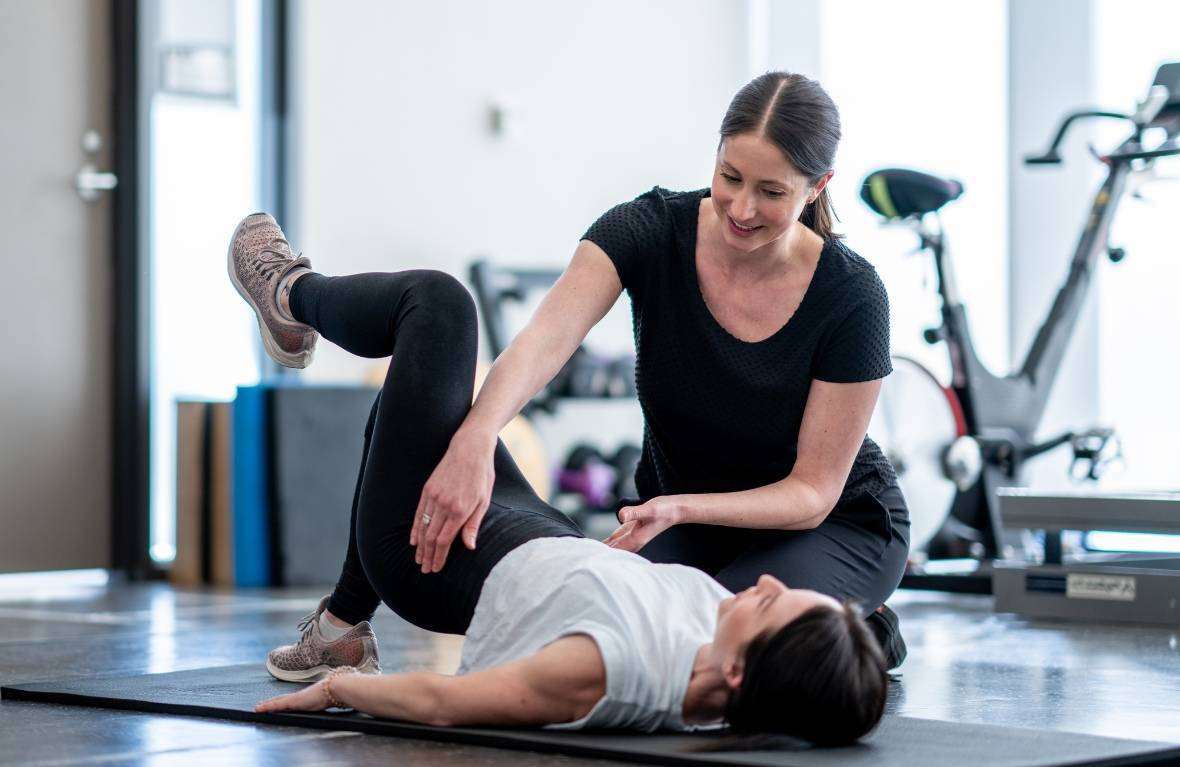
Hormones and movement are deeply interconnected. Our bodies rely on a complex dance between the endocrine system, which produces hormones, and the musculoskeletal system, which governs movement. When hormonal health is out of balance, it can affect muscle function, energy levels, and recovery. Conversely, how we move can influence hormone production and regulation. Exploring this connection highlights why physiotherapy is a powerful tool for supporting hormonal wellness.
The Hormonal Influence on Movement
Hormones like estrogen, testosterone, cortisol, and insulin impact muscle strength, endurance, and flexibility. For example:
Estrogen promotes muscle repair and joint health but fluctuates during menstrual cycles, pregnancy, and menopause, affecting physical performance.
Testosterone supports muscle mass and recovery.
Cortisol regulates energy but can become harmful if chronically elevated, leading to muscle breakdown and fatigue.
Insulin manages energy supply to muscles and overall metabolism.
Imbalances in these hormones can lead to weakness, fatigue, increased injury risk, and poor recovery.
How Movement Affects Hormonal Health
Physical activity stimulates hormone release and improves hormone sensitivity. Movement boosts endorphins (natural mood enhancers), reduces cortisol levels, and improves insulin sensitivity. But the type, intensity, and timing of exercise mattertoo much or the wrong kind can worsen hormonal imbalances.
Physiotherapy: Bridging Movement and Hormonal Wellness
Physiotherapy offers personalized interventions that support this crucial relationship. Heres how:
1. Movement Assessments for Hormonal Health
Physiotherapists evaluate posture, muscle imbalances, and movement patterns that may be impacted by hormonal changes. Identifying weaknesses or restrictions allows for targeted interventions.
2. Tailored Exercise Programs
Based on your hormonal profile and symptoms, physiotherapists design programs to enhance strength, flexibility, and endurance without overstressing the body.
3. Manual Therapy for Hormonal Symptom Relief
Techniques like massage and myofascial release help relieve muscle tension and pain that may be linked to hormonal fluctuations.
4. Education on Body Awareness
Understanding how your hormones affect movement empowers you to listen to your body and adjust activity accordingly.
Why This Matters Throughout Life
Hormonal shifts occur naturally throughout life stagespuberty, menstrual cycles, pregnancy, postpartum, perimenopause, and menopauseall impacting movement and physical health. Physiotherapy helps you adapt your activity levels and care during these transitions to maintain balance.
The Bottom Line
Movement is medicine for your hormones, and your hormones influence how you move. Physiotherapy bridges this connection, helping you maintain strength, flexibility, and wellness through every hormonal phase.
At Your Forms UX (YFS) in Canada, physiotherapists specialize in integrating hormonal health with movement therapy to support your overall vitality and balance.