Optimizing Performance and Health Through Physiotherapy and Cycle-Syncing explores targeted strategies for recovery. Discover new paths to mobility, healing, and personalized care.

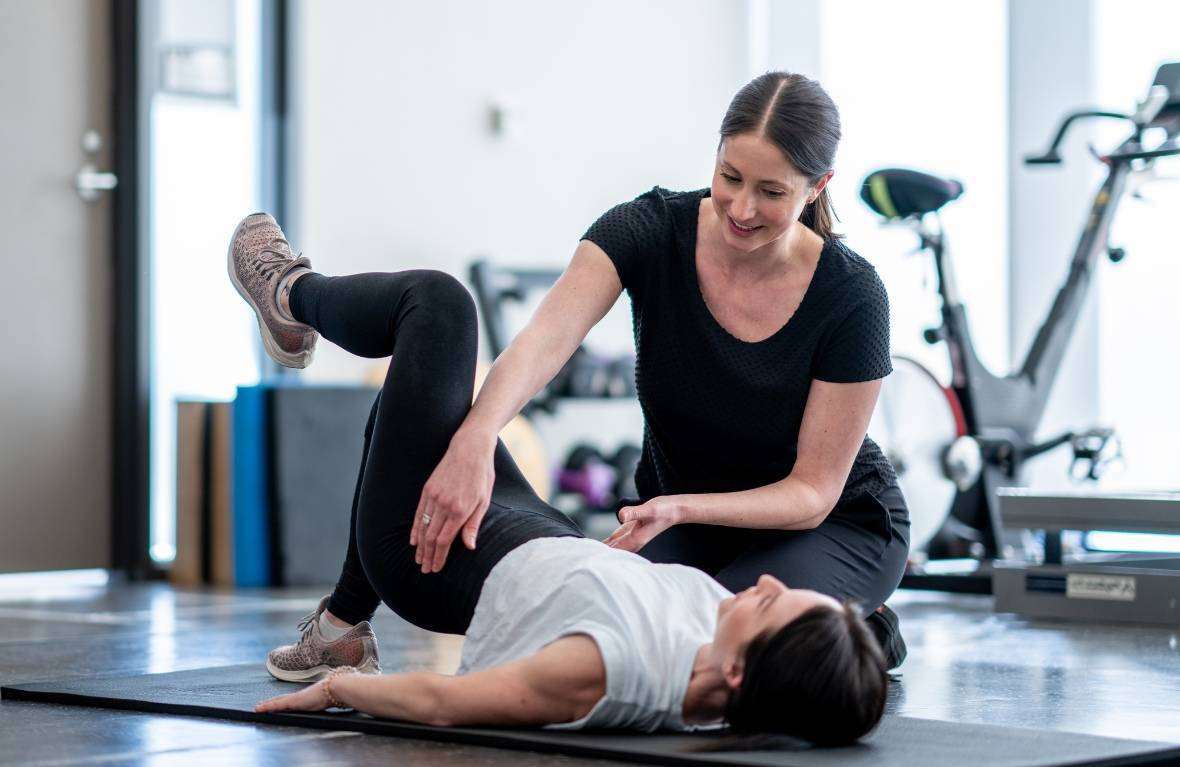
In todays fast-paced world, women are juggling countless responsibilitiescareers, family, social life, and personal goals. Add to this the natural hormonal fluctuations throughout the menstrual cycle, and its clear that maintaining peak performance and health requires more than just willpower. Enter the powerful combination of physiotherapy and cycle-syncingan approach that harnesses the bodys natural rhythms to optimize physical performance, hormonal health, and overall well-being.
Why Understanding Your Cycle Matters for Performance
Womens bodies go through four distinct hormonal phases every month: menstrual, follicular, ovulation, and luteal phases. Each phase affects energy levels, muscle strength, endurance, and mental focus differently. Ignoring these shifts can lead to fatigue, injury, and hormonal imbalances.
Cycle-syncing encourages tuning into these natural changes, so you can:
Train smarter, not harder
Prevent overtraining or burnout
Reduce hormonal-related symptoms like cramps and mood swings
Improve recovery and injury prevention
This is where physiotherapy plays a crucial role in tailoring physical activity to your cycle for maximum benefit.
How Physiotherapy Enhances Cycle-Synced Training
Physiotherapists specialize in understanding biomechanics, muscle function, and injury prevention. By combining this expertise with cycle-syncing principles, they can design individualized programs that align with hormonal changes throughout the month.
Heres how physiotherapy supports optimized performance across cycle phases:
1. Menstrual Phase: Focus on Recovery and Gentle Movement
During menstruation, estrogen and progesterone levels are low, often leading to fatigue and discomfort. Physiotherapy emphasizes restorative practices like:
Gentle stretching
Low-impact activities such as yoga or walking
Techniques to manage cramps and pelvic pain
These approaches help maintain mobility without overtaxing the body.
2. Follicular Phase: Build Strength and Endurance
As estrogen rises, energy levels and pain tolerance increase. This phase is ideal for physiotherapists to introduce more challenging strength and cardiovascular training, including:
Resistance exercises to build muscle
High-intensity interval training (HIIT) adapted to individual capacity
Neuromuscular training to improve coordination and balance
Optimizing workouts here can boost metabolism and enhance overall fitness.
3. Ovulation: Peak Performance and Power
Ovulation brings a surge in estrogen and luteinizing hormone, elevating confidence, energy, and strength. Physiotherapy can leverage this peak by focusing on:
Power-based exercises like plyometrics or sprinting
Sport-specific drills for athletes
Functional training to improve agility and explosiveness
This phase also benefits from injury prevention strategies, as ligament laxity may increase injury risk around ovulation.
4. Luteal Phase: Prioritize Stability and Recovery
With rising progesterone, some women experience mood fluctuations, fatigue, and slower recovery. Physiotherapy focuses on:
Moderate-intensity workouts with a focus on core stability and posture
Relaxation techniques such as breathing exercises or myofascial release
Addressing any joint stiffness or muscle tightness
This balanced approach supports hormonal health and reduces the risk of overtraining.
The Synergy of Cycle-Syncing and Physiotherapy
The true power of this combination lies in its holistic, personalized approach. Physiotherapists can monitor changes in your bodys response to training and recovery, adjusting plans to optimize performance and hormonal balance. This proactive care helps avoid common pitfalls like:
Chronic fatigue
Hormonal imbalances
Repetitive strain injuries
Mental burnout
By aligning training intensity with hormonal fluctuations, women not only perform better but also enjoy enhanced well-being and resilience.
Beyond Physical Health: Mental and Emotional Benefits
Physiotherapy integrated with cycle-syncing also addresses the mental-emotional side of performance. Mood swings, irritability, and anxiety often accompany hormonal changes, affecting motivation and focus.
Through guided exercise, mindfulness, and body awareness techniques, physiotherapists help women:
Manage stress effectively
Boost self-confidence
Improve sleep quality
Maintain emotional stability
This comprehensive support fosters a positive relationship with ones body and cycle.
Getting Started: Practical Tips for Women
If youre interested in optimizing your health and performance through physiotherapy and cycle-syncing, here are some starter steps:
Track Your Cycle: Use apps or journals to log symptoms, energy levels, and workouts.
Consult a Physiotherapist: Seek professionals knowledgeable about female hormonal health and cycle-synced training.
Adjust Workouts: Tailor exercise intensity and type based on your current cycle phase.
Prioritize Recovery: Incorporate rest and relaxation, especially during the menstrual and luteal phases.
Listen to Your Body: Honor fatigue, pain, or mood changesdont push through discomfort blindly.
Conclusion: A Smarter Way to Train and Thrive
Combining physiotherapy with cycle-syncing empowers women to embrace their natural rhythms, optimize performance, and improve hormonal health. Its a personalized, science-backed strategy that respects the unique challenges and strengths of the female body.
By investing in this integrated approach, women can enjoy more energy, fewer injuries, balanced hormones, and greater confidencewhether they are athletes, busy professionals, or anyone committed to living their best life.