Physiotherapy and Hormonal Wellness explores targeted strategies for recovery. Discover new paths to mobility, healing, and personalized care.

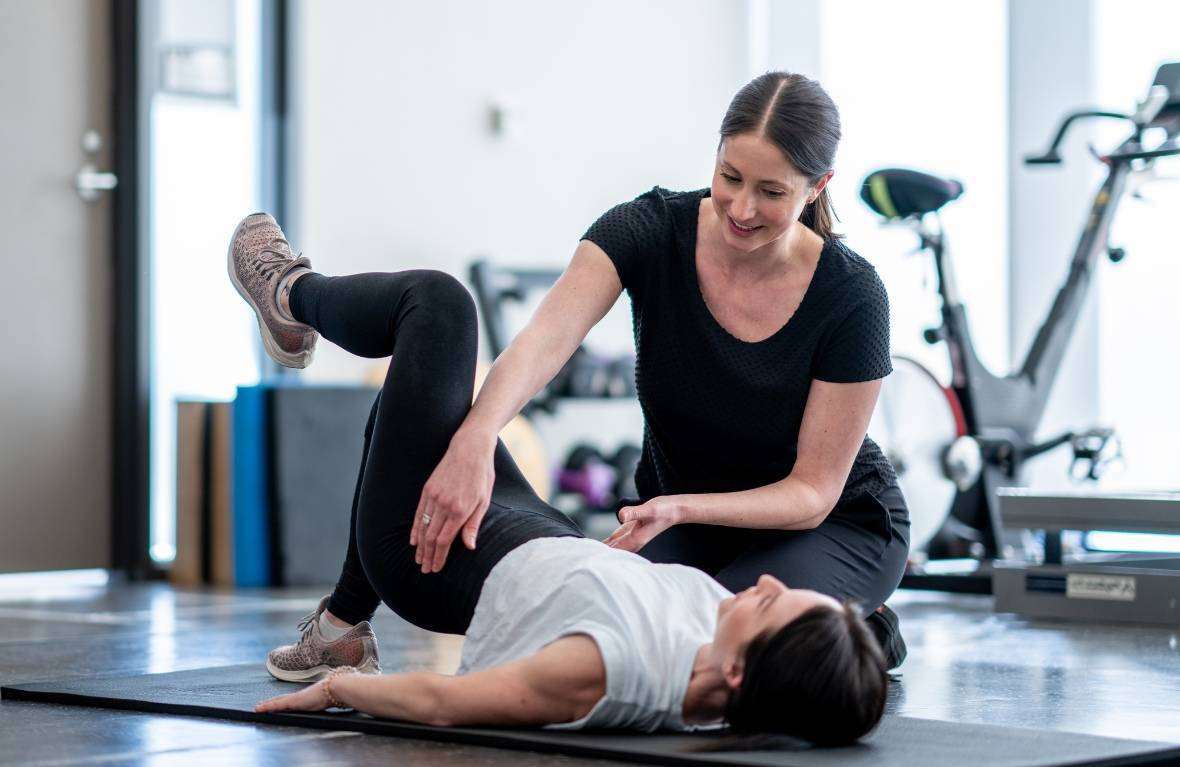
Hormonal wellness is fundamental to a womans health, influencing everything from energy levels and mood to metabolism and reproductive function. Achieving and maintaining hormonal balance can sometimes feel elusive, especially with the demands of modern life, stress, and natural life transitions such as menstruation, pregnancy, and menopause. Fortunately, physiotherapy offers effective, natural strategies to promote hormonal wellness and help women feel their best.
What is Hormonal Wellness?
Hormonal wellness refers to the optimal functioning of the bodys endocrine systemthe network of glands and hormones that regulate vital bodily processes. Balanced hormones help maintain energy, mood stability, healthy weight, and reproductive health. When hormones are out of sync, symptoms like fatigue, irritability, weight changes, and pain often arise.
The Physiotherapy Approach to Hormonal Wellness
Physiotherapy supports hormonal wellness by addressing physical, emotional, and lifestyle factors that influence hormone balance. It focuses on improving body mechanics, reducing stress, enhancing circulation, and encouraging movementall of which play a role in healthy hormone regulation.
Key Ways Physiotherapy Helps Achieve Hormonal Balance
1. Supporting Musculoskeletal Health
Hormonal fluctuations affect muscles, joints, and connective tissues, sometimes leading to pain or decreased mobility. Physiotherapists treat these physical symptoms through manual therapy, strengthening exercises, and mobility training to improve comfort and function.
2. Enhancing Nervous System Regulation
The nervous system and endocrine system work closely together. Physiotherapy techniques such as breathing exercises, relaxation training, and guided movement help regulate the autonomic nervous system, reducing stress hormone levels and supporting hormonal harmony.
3. Optimizing Pelvic Floor and Core Function
Pelvic health is closely tied to hormonal function, especially in women. Physiotherapy focuses on strengthening and balancing the pelvic floor and core muscles to support reproductive health, prevent urinary issues, and reduce pain associated with hormonal changes.
4. Personalized Exercise Programs
Regular exercise promotes hormonal wellness by improving insulin sensitivity, reducing inflammation, and boosting mood-related hormones. Physiotherapists tailor exercise regimens that match an individuals hormonal cycle, energy levels, and health goals.
Lifestyle Integration for Lasting Hormonal Wellness
Physiotherapy works best when combined with lifestyle changes such as:
Balanced, nutrient-dense diet
Stress management techniques
Adequate sleep and rest
Avoiding toxins and harmful habits
These practices support the bodys natural hormonal balance alongside physiotherapy interventions.
Who Can Benefit from Physiotherapy for Hormonal Wellness?
Women experiencing menstrual irregularities, PMS, menopausal symptoms, thyroid disorders, or general fatigue can all benefit from physiotherapys holistic approach. Its also valuable for anyone looking to proactively maintain hormonal health and prevent imbalance.
Take Charge of Your Hormonal Health with Physiotherapy
Hormonal wellness is achievable with the right support and care. Physiotherapy provides a natural, personalized pathway to balance, empowering women to feel energized, resilient, and vibrant. By addressing the body holistically, physiotherapists help women navigate hormonal changes with confidence and ease.